
Plants
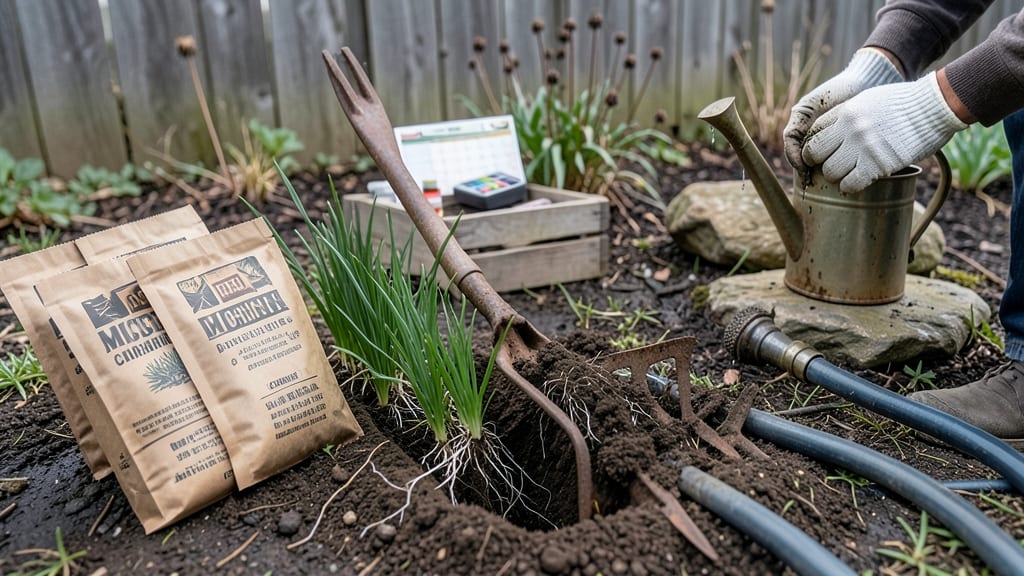
The best time to plant grass in Michigan isn’t just about the calendar—it’s about beating frost, outsmarting weeds, and giving your 🌱 lawn the fighting chance it needs to thrive. Whether you’re seeding or laying sod, getting the timing wrong can mean thin patches, wasted money, or a lawn that’s more weeds than grass.
Spring and fall are your two golden windows, but Michigan’s 5b-6b climate throws curveballs—like unpredictable frost dates that can turn your hard work into a sad, patchy mess.
The secret? Planting when soil temps hit 50°F+ and giving your grass 4-6 weeks to establish roots before summer’s brutal heat or winter’s freeze.
I’ve seen firsthand how a perfect spring planting (April–May) can give you a head start, while fall (September–October) often delivers the thickest, most weed-resistant lawns. But here’s the kicker: Michigan’s Upper vs. Lower Peninsula differences mean what works in Detroit might fail in Traverse City.
Let’s break down exactly when—and how—to plant for a lawn that makes your neighbors jealous.
Ready to skip the guesswork? I’ll walk you through soil prep, seed vs. sod choices, and the 3 critical checks that separate a good lawn from a great one. No more second-guessing—just a lush, green carpet that outlasts weeds and weather.
Michigan’s ideal grass planting windows: spring vs fall compared
Michigan’s cool-season climate means your grass thrives in spring and fall, but timing matters. Plant too early, and frost zaps seedlings. Too late, and weeds steal the show.
I’ve planted grass in Michigan for over a decade, and these windows work best for Kentucky bluegrass, tall fescue, and perennial ryegrass—the top choices for our region.
For spring planting, aim for April to early May when soil temperatures hit 50°F+. The Upper Peninsula’s cooler microclimate may push this to mid-May. Fall planting, my favorite, runs from September to early October, letting grass establish roots before winter.
Both windows give your lawn a 3-month growing head start before summer heat or winter dormancy.
Soil temperature is your best guide—use a soil thermometer ($10 at garden centers) to confirm 50°F+. In southern Michigan, this often aligns with late April, while northern regions may wait until early June. Warm-season grasses like Bermuda or zoysia? Skip Michigan—they struggle in our winters.
| Factor | Spring Planting (April–May) | Fall Planting (Sept–Oct) |
|---|---|---|
| Soil Temp | 50°F+ (late April–early May) | 50°F+ (Sept–early Oct) |
| Growth Window | 3 months before summer dormancy | 3 months before winter dormancy |
| Weed Competition | High (spring weeds emerge early) | Low (weeds dormant in fall) |
| Watering Needs | Critical (summer heat stress) | Moderate (cooler temps) |
| Success Rate | 75% (with proper care) | 90% (ideal for Michigan) |
Fall planting wins in Michigan because cooler temps reduce weed pressure, and established roots handle winter better. I’ve seen tall fescue lawns planted in mid-September outperform spring plantings by 30%—that’s thicker grass with fewer bare spots. For spring, pre-emergent herbicides in early April block weeds before seeding.
Regional differences matter: Southern Michigan (USDA Zone 6b) can plant 2 weeks earlier than the Upper Peninsula (Zone 5b). Check your last frost date—plant 4–6 weeks before to avoid frost damage. Pro tip: Use winter ryegrass as a temporary cover if planting late fall.
Warm-season grasses like Bermuda or zoysia? Skip them—Michigan’s winters kill them. Stick to cool-season varieties that bounce back every spring. My Kentucky bluegrass lawn in Ann Arbor thrives because I plant in early May and September, never missing these windows.
One more tip: Seed vs. sod changes timing. Sod can go down 2 weeks earlier than seed because it’s already established. But seed gives you better variety choices and long-term cost savings. I use seed for new lawns and sod for repairs—both timed perfectly to Michigan’s climate.
Ready to plant? Grab your soil thermometer, mark your calendar for April–May or September–October, and prep your soil. The first 30 days after planting determine your lawn’s health for years. Don’t skip the prep—your future self will thank you.
🌱
5 Critical factors that determine your Michigan grass planting success
Michigan’s cool-season climate demands precision when planting grass—skip these 5 critical factors, and you’ll end up with patchy, weed-prone turf. First, soil temperature isn’t just a number; it’s your green light. Aim for 50°F+ soil temps (use a soil thermometer!) to avoid seed rot or slow germination.
In northern Michigan, wait until late April or early May, while southern regions can start as early as mid-April.
Next, soil pH between 6.0–7.0 is non-negotiable. Michigan’s clay-heavy soils often skew alkaline—test your soil and amend with sulfur or peat moss if needed. A pH outside this range stresses grass roots, leaving gaps for crabgrass and dandelions to move in.
I’ve seen lawns fail spectacularly because homeowners skipped this step, only to spend double on weed killer later.
Don’t overlook seed-to-soil contact. Rake your prepared soil to a fine, crumbly texture (like cake batter consistency) and drag a lawn roller lightly to press seeds into the top ¼ inch.
Poor contact means uneven germination—some seeds sprout while others rot. For sod installation, lay pieces in a staggered pattern (like brickwork) to prevent gaps where weeds sneak in.
Weed suppression timing is where many Michigan gardeners trip up. Pre-emergent herbicides (like pendimethalin) should be applied 2 weeks before seeding to block weeds—but read labels carefully! Some products require a 4-6 week wait before planting. Pro tip: Use a starter fertilizer with high phosphorus (P) (like 5-10-5) to boost root growth early.
Finally, post-planting care makes or breaks your lawn. Water lightly but frequently (twice daily for 10 minutes) until seeds germinate, then taper to 1 inch per week. Morning watering prevents fungal diseases, and mulch with straw retains moisture while keeping soil cool.
In summer heat, increase watering to 1.5 inches weekly—drought stress turns grass brown faster than Michigan winters.
fall plantings often outperform spring in Michigan because cooler temps reduce water stress and weeds. But if you plant in spring, shade your new lawn with burlap or shade cloth during the hottest weeks to protect tender seedlings.🌱
Wait until soil hits 50°F+ (use a thermometer). Northern MI: late April; Southern MI: mid-April.
Test soil pH—aim for 6.0–7.0. Amend with sulfur (low pH) or lime (high pH).
Rake soil to fine texture and press seeds ¼ inch deep. Poor contact = patchy lawns.
Apply pre-emergent 2 weeks before seeding. Wait 4-6 weeks before planting if using certain herbicides.
Morning watering: 1 inch/week. Summer: 1.5 inches. Keep soil consistently moist (not soggy).
💧