
Plants
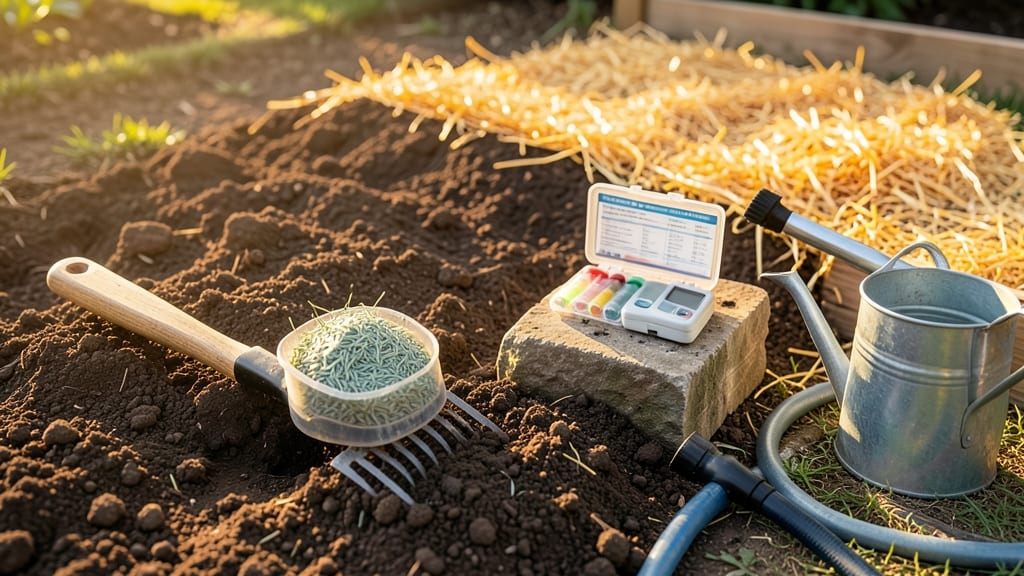
Planting grass seed at the wrong time in New Jersey can mean wasted effort, uneven growth, or even total failure—so timing is everything for a lush, 🌱 healthy lawn.
With USDA zones 6a-7a and unpredictable spring weather, getting the window right makes all the difference between a thick carpet of green and patchy disappointment.
Most gardeners assume spring is the only option, but fall actually offers the best conditions for cool-season grasses like Kentucky Bluegrass and Fescue. The key is planting when soil temperatures hover between 50-65°F, giving seedlings time to establish roots before winter dormancy.
In New Jersey, that means targeting early September through mid-October for fall planting—or late March to early April for spring. But don't just guess: we'll break down how to check soil temps, adjust for microclimates, and choose the right seed types for your yard's specific conditions.
Whether you're seeding a new lawn or overseeding an existing one, these insights will help you learn how to maximize your grass's potential. Let's dive into the perfect planting schedule tailored just for New Jersey's climate.
Optimal planting windows in New Jersey: spring vs fall timing guide
New Jersey’s USDA Zones 6a-7a create a unique challenge for grass seed germination—too early, and frost kills tender seedlings; too late, and summer heat stresses young roots. The ideal planting window spans just 8-10 weeks each season, requiring precision timing to avoid failure.
Most gardeners in NJ swear by fall planting (late August through October) because cooler temperatures reduce stress on seedlings, while spring planting (March through early May) offers a shorter but critical window. Understanding these differences can mean the difference between a thick, green lawn and a patchy disappointment.
Soil temperature is the #1 factor—seeds need 50-65°F soil to germinate consistently. In NJ, this typically aligns with late April to early May in spring and September to early October in fall, but microclimates (like coastal vs inland areas) can shift these windows by 2-3 weeks.
For example, Northern NJ (Zone 6a) may need to wait until mid-May for spring planting, while Southern NJ (Zone 7a) can start as early as early April. Always check a soil thermometer before planting—don’t guess!
| Factor | Spring Planting (Mar-May) | Fall Planting (Sep-Nov) |
|---|---|---|
| Best Months | Late April–Early May | Late August–Early October |
| Soil Temp | 50–65°F (critical) | 50–65°F (ideal) |
| Weather Risk | Late frosts, drought | Early frosts, heavy rain |
| Grass Types | Cool-season (Kentucky Bluegrass, Fescue) | All cool-season + Perennial Ryegrass |
| Establishment Time | 6–8 weeks (summer stress risk) | 4–6 weeks (cooler = faster growth) |
| Pro Tip | Use shade cloth if planting early spring | Avoid planting after mid-October in Zone 6a |
Fall planting often outperforms spring because cooler air temperatures reduce water evaporation, and shorter days encourage deeper root growth before winter. However, spring planting is your only option if you’re repairing winter damage or overseeding bare patches.
If you miss the ideal window, don’t panic—late spring (June) or early fall (November) can still work for perennial ryegrass, which germinates faster in heat. Just expect slower establishment and potential weed competition.
For Northern NJ, aim for September 15–October 15 in fall, while Southern NJ can extend to November 1. Always check your local NJ State Climate Office for frost predictions—it’s your best friend for timing!
Pro tip: Test your soil 2 weeks before planting. If it’s below 50°F, wait—seeds won’t germinate, and you’ll waste money. Use a soil warming blanket in early spring if needed to jumpstart growth.
Remember, Kentucky Bluegrass and Tall Fescue (NJ’s top choices) need 4-6 weeks to establish before winter. Plant too late, and they’ll struggle to survive the first freeze. Timing isn’t just about months—it’s about microclimates, soil prep, and weather patterns.
Soil temperature and weather conditions for perfect grass seed germination
New Jersey’s cool-season grasses like Kentucky Bluegrass and Fescue thrive when soil temperatures hover between 50°F and 65°F. This range ensures seeds germinate quickly without overheating or drying out—a critical factor for success in USDA Zones 6a-7a.
If you plant too early (when soil is still cold) or too late (when heat arrives), germination slows or fails entirely.
To check your soil temperature, use a soil thermometer (available at garden centers) or follow local weather reports. For example, in northern NJ, soil often reaches ideal temps by late April, while southern regions may hit it by early April.
Fall planting works best when soil cools to 60-65°F, typically in September or October.
Moisture is just as critical as temperature. Grass seeds need consistent moisture to sprout, but soggy soil can suffocate them. Aim for 1/2 inch of water daily during germination, applied in the early morning to reduce evaporation and fungal risks.
New Jersey’s humid summers can create ideal conditions, but droughts—especially in July and August—can derail growth.
| Condition | Ideal Specification | NJ Adjustments |
|---|---|---|
| Soil Temperature | 50°F–65°F | Northern NJ: Wait until late April; Southern NJ: Early April |
| Moisture Level | Consistently damp | Water daily in summer; reduce to 2-3x/week in fall |
| Rainfall | 0.5–1.5 inches/week | Supplement with irrigation during dry spells (June–August) |
| Humidity | Moderate (40–60%) | High humidity in summer? Avoid evening watering to prevent fungal diseases |
| Wind Exposure | Low to moderate | Use windbreaks if planting in exposed areas (common in coastal NJ) |
New Jersey’s variable weather patterns mean you’ll need to adjust your approach. For example, if you plant in early spring (March) and a late frost hits, cover seeds with lightweight row fabric to protect them.
Conversely, if you plant in late fall (November), choose cold-hardy varieties like Tall Fescue to survive winter.
Watch for heatwaves in late spring or early summer, which can dry out soil quickly. If temperatures rise above 80°F, mulch seeds with straw to retain moisture and shield them from direct sun.
In coastal areas, salt spray can also stress young grass—rinse soil with fresh water if needed.
Finally, avoid planting during prolonged rain (like NJ’s frequent summer downpours), as it can wash seeds away or create waterlogged conditions. Aim for 5–7 days of dry weather after planting to let seeds settle and germinate smoothly.
With the right conditions, your grass will establish a dense root system in just 2–4 weeks!