
Plants
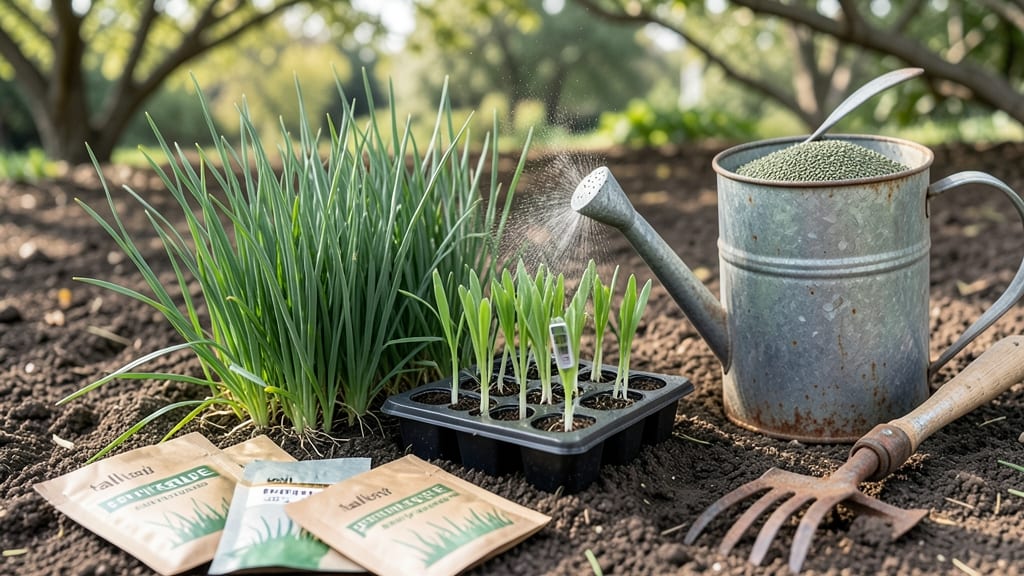
Timing your 🌱 grass seed planting in North Carolina can make or break your lawn—especially when frost dates and soil temperatures vary wildly across zones 6a-8b. Get it wrong, and you’ll waste money on seed that never germinates or struggles against heat or cold.
But nail the window, and you’ll enjoy lush, weed-resistant grass that thrives year after year.
Most gardeners assume spring is the only option, but early fall often delivers better results—cooler temps reduce stress on new seedlings, while rain patterns in August-September create ideal moisture conditions.
I’ll break down exactly when to plant in your specific zone, so you avoid common mistakes like seeding too early when soil is still cold or too late when weeds take over.
Whether you’re tackling a shady yard in the mountains or a sun-baked coastal lawn, the right timing saves you from frustration. You’ll learn how to check soil temps, read frost forecasts, and pick the perfect grass type for your microclimate—no guesswork involved.
Let’s get your lawn off to the best start.
Ready to skip the trial-and-error? I’ll show you the precise planting windows that work for North Carolina’s climate, so you can enjoy a green, healthy lawn without the headaches. Your future self will thank you.
North Carolina grass seed planting timeline by Zone & soil temperature requirements
North Carolina spans USDA zones 6a-8b, meaning frost dates and soil temperatures vary dramatically from the mountains to the coast. In Zone 6a (western NC), you’ll see your last frost around March 15, while Zone 8b (coastal areas) may not freeze until December 15.
These differences mean your ideal planting window shifts depending on where you live.
For cool-season grasses like tall fescue and Kentucky bluegrass, the best time to plant is when soil temperatures hover between 50-65°F. This typically falls in early spring (March-April) or early fall (August-September).
Warm-season grasses like Bermuda and Zoysia prefer soil temps above 65°F, so aim for late spring (May-June) in most zones.
Here’s how to match your zone to the perfect planting window, including soil temperature thresholds and frost-free calculations for maximum success:
| Zone | Last Frost Date | First Frost Date | Ideal Planting Window | Soil Temp (°F) |
|---|---|---|---|---|
| 6a (Mountains) | March 15 | November 15 | March 15-April 15 or August 15-September 15 | 50-65°F |
| 7a (Piedmont) | March 25 | November 5 | March 25-April 30 or August 1-September 15 | 50-65°F |
| 7b (Coastal Plain) | April 5 | November 10 | April 5-May 15 or August 15-September 30 | 55-65°F |
| 8a (Southern Coast) | April 15 | November 20 | April 15-May 30 or September 1-October 15 | 60-65°F |
| 8b (Outer Banks) | April 30 | December 15 | May 15-June 15 or September 15-October 30 | 65-75°F |
Note: Warm-season grasses like Bermuda thrive in Zone 8b with soil temps above 65°F.
Spring planting gives you a head start before summer heat, but early fall often yields better results because cooler temps reduce stress on seedlings. I recommend planting 4-6 weeks before your first frost to allow roots to establish before winter.
For example, in Zone 7a, that means seeding by September 15.
If you’re planting in spring, wait until the soil warms to at least 50°F—use a soil thermometer to check. In Zone 6a, this usually happens around mid-April.
For warm-season grasses, wait until soil temps hit 65°F or higher, which in Zone 8b could be as late as June.
Pro tip: Use the NC State Climate Office frost calculator to get precise dates for your exact location. Just plug in your ZIP code to see when your last frost typically occurs—this is your planting deadline if you’re seeding in fall.
For spring, aim to plant 2-3 weeks after your last frost date to avoid cold snaps.
One common mistake I see is planting too early when soil is still cold. Grass seed won’t germinate below 50°F, so if you seed in February in Zone 6a, you’re wasting money.
Always check soil temps and frost forecasts before you buy seed. Your lawn will thank you with thicker, greener growth all season.
Critical factors that determine success: frost dates, rainfall, and grass types
North Carolina’s diverse climate means your success with grass seed depends on three key factors: frost dates, rainfall patterns, and the type of grass you choose. Ignore any of these, and you risk thin, patchy lawns or wasted seed.
Let’s break down how each factor influences your planting timeline—and how to use them to your advantage.
First, frost dates are your most critical guide. The NC State Climate Office provides 30-year averages for last and first frost dates by zone, but microclimates (like hillsides or valleys) can shift these by 1-2 weeks.
For example, a Zone 7a Piedmont yard might see its last frost on March 25, while a nearby valley could experience it two weeks later. Always check local data—don’t rely on general zone rules.
Rainfall is the wild card in North Carolina’s planting success. The state’s August-September window often delivers consistent moisture from tropical storms or afternoon thunderstorms, which is ideal for new seedlings.
But if you’re planting in spring, be prepared to water daily for the first 2-3 weeks, especially in Zone 8b where droughts are common. I recommend setting up a drip irrigation system or soaker hoses to maintain even moisture without overwatering.
| Factor | Spring Planting (March-May) | Fall Planting (August-October) |
|---|---|---|
| Frost Risk | Low after last frost; monitor for late cold snaps | High after early October; plant 4-6 weeks before first frost |
| Rainfall | Variable; supplement with irrigation | Higher in August-Sept; natural moisture helps germination |
| Soil Temp | 50-65°F (Zone 6a-7b); 60-65°F (Zone 8a-8b) | 55-65°F (cooler than spring in most zones) |
| Grass Type | Cool-season: Tall fescue, Kentucky bluegrass | Cool-season: Best for fall; warm-season: Bermuda (Zone 8b) |
| Weed Competition | Moderate; weeds germinate with warm soil | Low; cooler temps slow weed growth |
Pro Tip: Use pre-emergent herbicide 4-6 weeks before fall planting to block weeds.
Choosing the right grass type for your zone is just as important as timing. Cool-season grasses like tall fescue dominate Zones 6a-7b because they thrive in 50-65°F soil and handle NC’s winters.
But in Zone 8b, warm-season grasses like Bermuda or Zoysia outperform—plant them in late spring when soil hits 65°F+. Mixing types? Avoid it—stick to one variety for uniform growth and maintenance.
One game-changer I’ve seen with NC gardeners is using microclimate data. If your yard has shady spots (common in Piedmont forests), opt for fine fescue, which tolerates 2-4 hours of sun.
For coastal areas, salt-tolerant Bahia grass is a smart choice. Always match your grass to your yard’s sunlight and soil conditions—this alone can improve germination rates by 30-40%.
Finally, don’t overlook soil preparation. Before planting, test your soil’s pH (6.0-7.0 ideal) and add compost to improve drainage. In sandy soils (common in coastal NC), mix in peat moss to retain moisture. A well-prepped seedbed ensures your grass establishes twice as fast—no matter when you plant.