
Plants
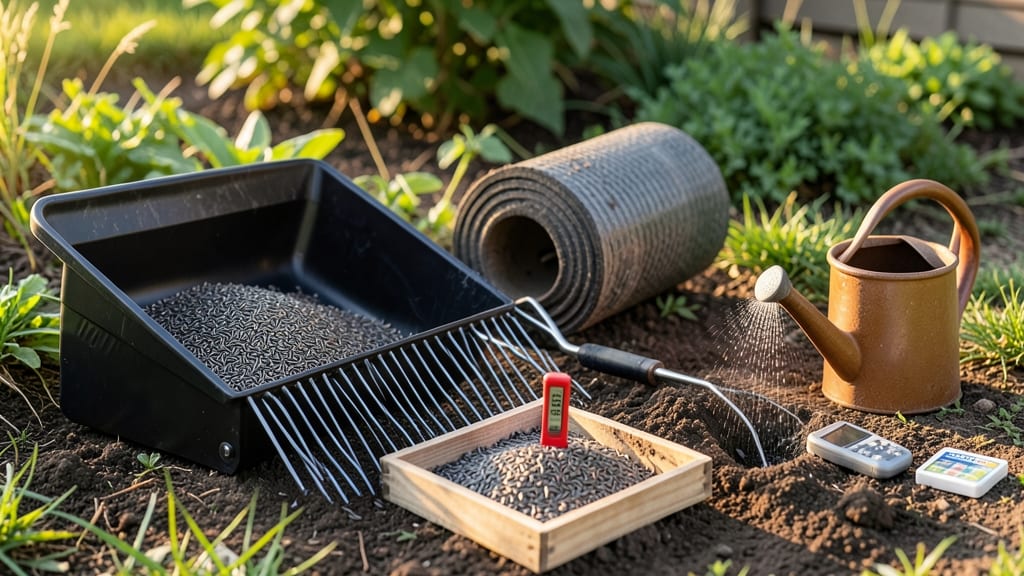
If you’ve ever planted grass seed in Virginia only to watch it struggle against weeds or weak germination, you’re not alone—timing is the key to success. The right moment can mean the difference between a lush, green lawn and a patchy, frustrating mess.
For Virginia’s 6a-8a zones, late summer to early fall emerges as the prime window for planting grass seed 🌱. This period offers cooler soil temperatures and fewer weeds, giving your new grass the best chance to take root. But why does this matter so much?
Early fall planting lets the grass establish strong roots before winter, while spring offers a secondary chance—though it comes with higher weed competition. I’ll break down the exact months for your zone, plus pro tips to ensure fast germination and a lawn you’ll actually enjoy.
Ready to skip the guesswork? Let’s dive into the science-backed timing that’ll transform your lawn game—no more wasted seed or second-guessing.
Virginia’s ideal grass seed planting months by hardiness zone (5a-7b)
Virginia’s diverse climate zones (5a through 7b) create unique windows for planting grass seed. The best time depends on your zone, but early fall and late spring are universally ideal. In Zone 5a, where winters are colder, aim for late August to early October to avoid summer heat stress.
For Zones 6a-7b, the primary window shifts slightly to September through October, allowing seeds to establish roots before winter. Spring planting works too—focus on March to early April—but requires careful moisture management to prevent drought stress.
Soil temperature is critical: seeds need 60-75°F soil temps for optimal germination. Use a soil thermometer to monitor—fall’s mild temps are perfect, while spring’s warming soil can work if you water consistently.
Here’s how Virginia’s zones break down for peak planting success:
| Zone | Best Planting Window | Soil Temp Threshold | Key Consideration |
|---|---|---|---|
| 5a (Northwest VA) | Late August–Early October | 60–70°F | Avoid summer heat; prioritize weed control |
| 6a (Central VA) | September–October | 65–75°F | Balanced humidity; monitor for fungal risks |
| 7a (Southside VA) | September–Mid-October | 70–75°F | Higher heat tolerance; water deeply in fall |
| Spring (All Zones) | March–Early April | 55–65°F | High moisture needs; mulch to retain water |
Why does fall planting dominate? Cooler temps reduce weed competition, and seeds germinate before winter dormancy. Spring planting is riskier due to Virginia’s unpredictable rain—drought can kill seedlings fast. If you choose spring, test soil moisture weekly and water at dawn to prevent evaporation.
Pro tip: Overseeding in late summer (August) can revive thin lawns. Use cool-season grasses like tall fescue or ryegrass, which thrive in Virginia’s climate. For warm-season grasses (e.g., bermuda), plant in late spring when soil is consistently warm.
Microclimates matter! Shaded lawns (e.g., under trees) may need earlier fall planting to avoid winter browning. Sunny slopes can handle late spring planting but require extra water during establishment.
Timing isn’t just about months—it’s about weather patterns. Check the 10-day forecast before planting: aim for consistent rain or your ability to water daily. In Zone 7b, for example, September showers are ideal, while dry Octobers may push planting to late August.
Remember: Grass seed needs 14–21 days to germinate. Plant too late, and frost or weeds will outcompete your new lawn. Use a seed starter fertilizer to jumpstart growth, and lightly rake soil to ensure good seed-to-soil contact.
How to choose the right grass seed type for Virginia’s climate and soil
Picking the wrong grass seed type for Virginia’s humid summers and cool winters can turn your dream lawn into a weed-infested disappointment. The best choice depends on your lawn’s sun exposure, soil drainage, and whether you want a low-maintenance or high-traffic turf.
Cool-season grasses dominate Virginia, but warm-season options thrive in southern zones like 7a-8a.
Most Virginia homeowners swear by cool-season grasses like tall fescue or Kentucky bluegrass because they stay green through fall and spring but go dormant in summer. Warm-season grasses, such as bermuda or zoysia, handle heat and humidity better but brown in winter.
Mixing both types (e.g., bermuda in full sun + fescue in shade) creates a year-round green lawn.
Here’s how to match your lawn’s conditions to the perfect seed blend:
Cool-Season Grasses
- Best for: Northern VA (Zones 5a-6a)
- Pros: Green year-round (fall/spring), drought-tolerant, shade-friendly
- Cons: Goes dormant in summer, needs more fertilizer
- Top Picks: Tall fescue, Kentucky bluegrass, ryegrass
Warm-Season Grasses
- Best for: Southern VA (Zones 7a-8a)
- Pros: Heat/drought-resistant, low maintenance, stays green in summer
- Cons: Browns in winter, slower to establish
- Top Picks: Bermuda, zoysia, centipede
For shady lawns (under 30% sunlight), choose fine fescue or ryegrass—both tolerate low light better than Kentucky bluegrass.
In full sun, tall fescue or bermuda outperform others. Poor drainage? Avoid Kentucky bluegrass (prone to fungal diseases) and opt for tall fescue, which handles wet soil better.
Pro tip: Seed blends (mixes of 2-3 grasses) offer the best of both worlds. For example, a tall fescue + ryegrass blend gives drought resistance and fast germination. Always check the label’s "recommended zones"—some blends are tailored to Virginia’s humidity or soil pH.
Test your soil’s pH and drainage before buying seed. Virginia’s acidic soils (pH < 6.0) need lime for cool-season grasses, while sandy soils (common in Tidewater VA) benefit from compost amendments. Warm-season grasses prefer slightly acidic to neutral pH (6.0–7.0).
Skip the cheap, generic seed—it often contains weed seeds or low-quality grass. Invest in Virginia-specific blends from reputable brands like Pennington or Scotts, which include herbicide-resistant options for weed control. Planting the right seed isn’t just about looks; it’s about longevity and ease of care.