
Plants
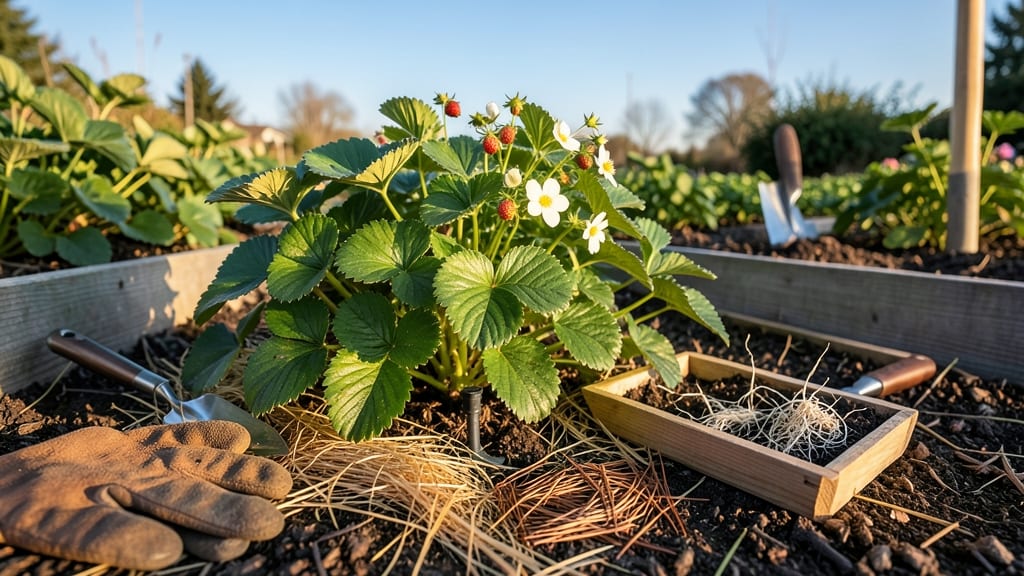
Texas chill-hour zones: how to match strawberry varieties for optimal growth
Texas spans three distinct chill-hour zones—each dictating which strawberry varieties will thrive in your garden. Chill hours (temperatures between 32°F and 45°F) trigger flowering, so mismatching varieties to your zone can mean smaller berries or no fruit at all.
North Texas (e.g., Dallas) averages 500-800 chill hours, while South Texas (e.g., Corpus Christi) sees 0-200 chill hours. Let’s break down the best matches for your region.
For North Texas (USDA Zones 7b-8a), June-bearing varieties like Chandler or Jewel excel, needing 500+ chill hours to produce large, sweet berries. These varieties reward patient gardeners with a prolonged harvest in spring.
Meanwhile, everbearing types like Ozark Beauty deliver two harvests per year—one in spring, another in fall—thanks to their adaptability to moderate chill requirements.
In Central Texas (Zones 8a-8b), where chill hours drop to 300-500, day-neutral varieties like Seascape or Tristar shine. These continuous producers fruit all season long with minimal chill needs, making them ideal for Austin or San Antonio gardens.
Their heat tolerance also helps them bounce back from Texas’s unpredictable spring warmth.
South Texas (Zones 9a-10b) presents the biggest challenge: 0-200 chill hours mean traditional June-bearing varieties won’t flower. Instead, opt for tropical varieties like Camarosa (with 200+ chill tolerance) or Fort Laramie, a day-neutral hybrid bred for heat and humidity. These thrive in Houston or Brownsville with minimal chill exposure.
| Region | Chill Hours | Best Varieties | Harvest Window |
|---|---|---|---|
| North Texas | 500-800 | Chandler, Jewel, Ozark Beauty | March-June |
| Central Texas | 300-500 | Seascape, Tristar, Fort Laramie | February-November |
| South Texas | 0-200 | Camarosa, Alisa Craig, Sweet Angel | January-December |
🌱 Pro Tip: Test your chill hours using a home weather station or check Texas A&M AgriLife maps for precise local data.
If you’re in a transition zone (e.g., Waco or College Station with 400-600 chill hours), everbearing varieties like Portola offer a compromise. They produce some fruit in spring and more in fall, adapting to moderate chill.
For container gardening in urban heat islands (e.g., Dallas or San Antonio), day-neutral types in 5-gallon pots with black plastic mulch can outperform traditional varieties.
One common mistake Texas gardeners make is planting June-bearing strawberries in South Texas without chill-hour supplementation. These varieties won’t flower without adequate cold exposure. Instead, pre-cool bare-root plants for 2-4 weeks at 35°F-40°F before planting to trick them into flowering.
Alternatively, use shade cloth in summer to reduce heat stress and extend the growing season.
For organic gardeners, compost tea applied 2 weeks before planting boosts root development and disease resistance.
Pair this with mycorrhizal fungi to improve soil microbial activity—critical for strawberries in heavy clay soils common in East Texas. Mulch with straw (not wood chips) to regulate soil temps and prevent rot.
Remember: Texas’s microclimates can vary even within cities. A North Dallas yard might get 100 more chill hours than a South Dallas neighborhood. Use local extension office data or plant a test row of three varieties to see what performs best in your specific yard conditions. P
Best planting windows by Texas region: month-by-month calendar for success
Texas’s diverse climate means your strawberry planting window depends heavily on your region. North Texas gardeners face earlier frost risks, while South Texas enjoys milder winters—so let’s break it down by zone to maximize your harvest.
The key is planting when soil temps hit 60-65°F and avoiding summer’s scorching heat.
For North Texas (Dallas/Fort Worth), aim for September-October or February-March. This region’s last frost typically hits around February 15, so spring planting must happen before then.
Fall planting gives roots time to establish before winter chill sets in. Central Texas (Austin/San Antonio) has a slightly longer window: September-November or February-April.
South Texas (Houston/Beaumont) is the most forgiving, with September-December or February-April as ideal. Here, you can even experiment with late-summer planting (August) for heat-tolerant varieties like ‘Chandler’ or ‘Seascape’, though yields may be smaller. Always check your local frost dates—South Texas rarely sees frost before November 15.
Last Frost: Feb 15 | First Frost: Dec 1
🌱 Spring Planting: Feb 1–Mar 15 (avoid late frost)
Last Frost: Feb 1 | First Frost: Nov 15
🌱 Spring Planting: Feb 15–Apr 1 (extend to April for heat-tolerant varieties)
Last Frost: Jan 1 | First Frost: Nov 15 (rare)
🌱 Spring Planting: Feb 15–Apr 15
🌱 Late-Summer (Heat-Tolerant): Aug 1–Aug 31 (e.g., ‘Chandler’)
Pro tip: Use a soil thermometer to confirm temps before planting—cold soil can stunt root growth. In North Texas, cover newly planted beds with straw mulch (3–4 inches) to insulate roots during winter.
For Central and South Texas, focus on shade protection during peak summer heat (June–August) if planting early.
Timing isn’t just about months—it’s about microclimates. A backyard in Hill Country might frost earlier than a low-lying East Texas garden just 50 miles away.
Check your local AgriLife Extension for precise frost data, and consider planting June-bearing varieties in cooler zones for a single, massive harvest, while everbearing or day-neutral types stretch yields across seasons.
Remember, spring planting in Texas is riskier due to unpredictable late frosts. If you miss the fall window, opt for container gardening—pots warm up faster and let you move plants indoors during cold snaps.
With the right timing, your Texas strawberries can produce fruit year-round, even in the heat! 🌱