
Planting
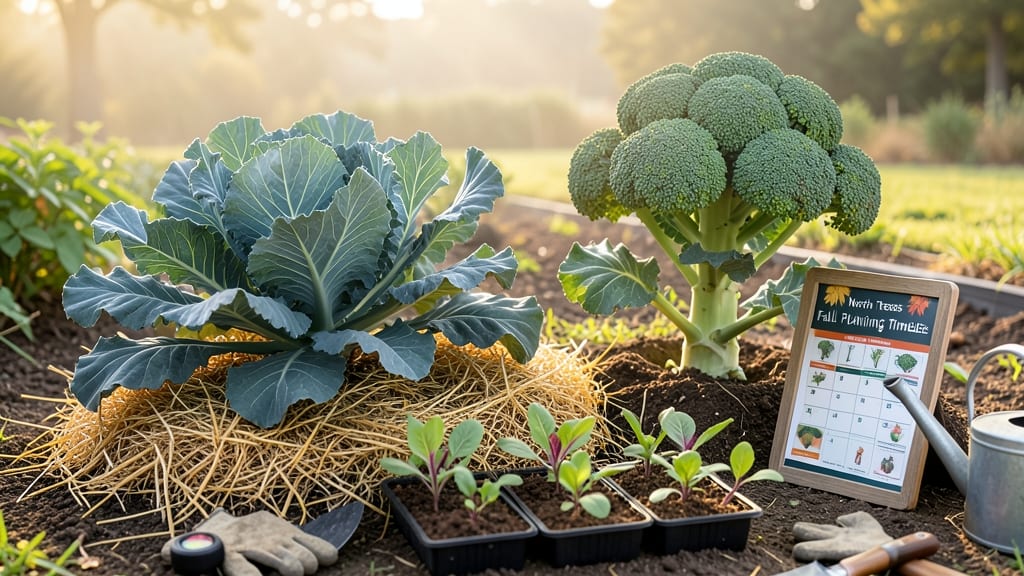
When to plant a fall garden in North Texas could mean the difference between a lush harvest and wasted effort—especially when summer heat lingers longer than you expect. The August-October window is your golden opportunity, but push it too late, and crops like kale or broccoli won’t mature before the first frost hits around November 15. Most gardeners in Zone 8a focus on cool-season crops, but North Texas’s unique microclimates allow for heat-tolerant veggies like okra and sweet potatoes too. The key? Planting 6-8 weeks before frost—but not so early that seedlings bolt in the residual summer heat. I’ve tested these strategies myself, and the results speak for themselves: a garden bursting with 🌱 fall vegetables that outlast the competition. Whether you’re a beginner or a seasoned gardener, this guide will help you avoid common pitfalls and maximize your harvest. Ready to turn your backyard into a fall bounty? Let’s break down the exact dates, soil prep secrets, and watering hacks that work in North Texas—so you can enjoy fresh greens long after Labor Day.
North Texas fall planting deadlines by plant type: exact dates for success
North Texas gardeners face a tricky balance: the summer heat lingers well into September, but frost can sneak in as early as mid-November. To succeed, you must align your planting schedule with each crop’s heat tolerance and maturity timeline.
The key? Start heat-loving crops in late July to August and transition to cool-season veggies by September.
Miss these windows, and you’ll risk stunted growth from late-season heat or frost damage before harvest. For example, okra and sweet potatoes need 90+ days to mature—plant them by August 15 at the latest.
Meanwhile, kale and broccoli thrive when sown 6-8 weeks before frost, meaning your last chance is early October.
| Crop Type | Planting Window | Last Call Date | Notes |
|---|---|---|---|
| Heat-Tolerant Veggies (Okra, Sweet Potatoes, Black-Eyed Peas) | Late July - Mid-August | August 15 | Direct sow; needs 90+ days to mature. |
| Transplants (Tomatoes, Peppers, Eggplant) | Early August - Early September | September 1 | Use shade cloth for seedlings. |
| Cool-Season Veggies (Lettuce, Kale, Broccoli) | Mid-August - Early October | October 10 | Sow 6-8 weeks before frost. |
| Herbs (Basil, Cilantro, Dill) | Late August - Mid-September | September 20 | Basil bolts in heat; cilantro thrives in cool. |
| Flowers (Marigolds, Zinnias, Sunflowers) | Late July - October | October 15 | Marigolds deter pests; zinnias bloom fast. |
North Texas’ USDA Zone 8a/b means microclimates vary—urban areas like Dallas stay warmer than rural spots near Waco. Check your last frost date (typically November 15) and count backward: most cool-season crops need 45-60 days to harvest.
For example, spinach matures in 30 days, so your final sowing date is October 15.
Pro tip: Use row covers to extend the season for heat-sensitive crops like lettuce. These lightweight fabrics protect seedlings from late-summer heat spikes (common in September) while allowing sunlight and water through. Start covers 2-3 weeks before transplanting for best results.
Direct sowing vs. transplanting makes a difference too. Okra and beans thrive when direct-sown in late July—their roots establish faster in warm soil. But broccoli and cabbage prefer transplanting in early September to avoid cabbage worms that peak in August.
Don’t overlook soil temperature. Use a soil thermometer—ideal temps for cool-season crops are 50-75°F. If your soil runs hotter (common in August), wait until temps drop below 85°F or use shade cloth to protect young seedlings.
For pest control, start with neem oil or row covers in late summer. Aphids and squash bugs target stressed seedlings, so keep plants well-watered and mulched to deter them. A weekly neem spray in September can prevent outbreaks before they start.
Finally, plan for succession planting. Sow bush beans every 2 weeks from August to September to ensure a steady harvest. This tactic works for lettuce and radishes too—plant new rows every 10 days until October 1.
Remember: North Texas’ fall garden success hinges on timing, soil prep, and
North Texas fall planting deadlines by plant type: exact dates for success
In North Texas (USDA Zone 8a/b), your fall garden’s success hinges on planting at the right time—especially since our summers linger into September. The August-October window is your best bet, but the exact timing depends on whether you’re growing heat-tolerant crops or cool-season veggies.
For example, okra and sweet potatoes can handle late summer heat, while kale and broccoli need cooler temps to thrive.
The first frost date in North Texas hovers around November 15, so aim to plant 6-8 weeks before that date for a harvest. This means starting cool-season crops by late July (for transplanting) or mid-August (for direct sowing).
Heat-tolerant crops like black-eyed peas can stretch your window until early October.
🌱 Key Takeaway: North Texas’s microclimates (like DFW’s urban heat islands) can delay frost by a week or two—always check local Texas A&M Extension forecasts for adjustments.
| Plant Type | Direct Sow Window | Transplant Window | Last Call Date | Notes |
|---|---|---|---|---|
| Heat-Tolerant Veggies (Okra, Sweet Potatoes, Black-Eyed Peas) | Late July - Early October | N/A (Direct Sow Only) | Early October | Plant after soil temps drop below 90°F. |
| Cool-Season Veggies (Kale, Broccoli, Lettuce) | Mid-August - Late September | Late July - Early September | Early October | Transplant seedlings for faster growth. |
| Herbs (Cilantro, Dill, Parsley) | Late August - Early October | N/A (Direct Sow Only) | Mid-October | Bolt-resistant varieties like 'Winterbor' kale work best. |
For direct-sown crops, like lettuce or radishes, start seeds in late August for a 60-day harvest before frost. If you’re transplanting seedlings (e.g., broccoli or cabbage), get them in the ground by early September—any later, and they won’t mature in time.
I’ve seen gardeners in Plano or Fort Worth push their luck into early October with success, but only with heat-tolerant varieties.
Pro tip: Use row covers to extend your window by 2-3 weeks—they protect seedlings from late-season heat spikes while still allowing sunlight. Just remove them during the day if temps rise above 85°F.
Miss these deadlines, and you’ll face stunted growth or crops that bolt prematurely. But nail the timing, and you’ll enjoy fresh 🌿 greens well into December—even in North Texas!