
Planting
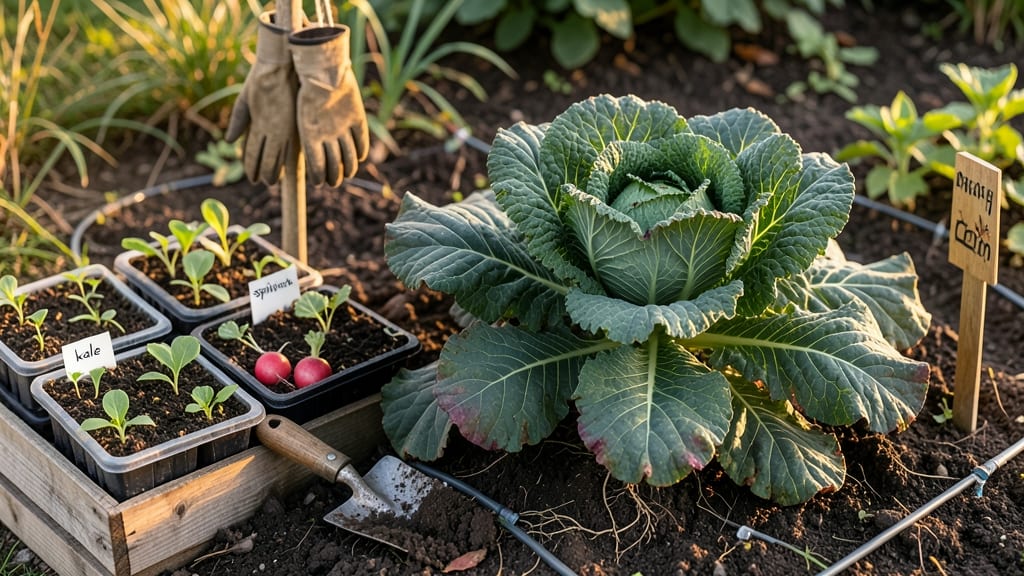
Timing when to plant a fall garden in Zone 7 is the key to avoiding frost-killed crops and enjoying a harvest that lasts well into winter.
If you've ever planted too early or too late, only to watch your hard work fade with the first frost, you know how critical this window really is.
For gardeners in Virginia, North Carolina, or parts of Tennessee, the ideal planting window starts 8-10 weeks before your first frost date, usually around mid-August. This timing ensures cool-season crops like kale, spinach, and carrots mature before temperatures drop.
But getting it right requires more than just guessing—it’s about understanding your local microclimate and frost patterns.
I’ve tested these strategies myself, and the difference between a thriving fall garden and a disappointing one often comes down to fast-growing varieties and precise soil prep. Whether you're a seasoned gardener or just starting, these insights will help you plan with confidence.
Ready to transform your late-season garden into a productive powerhouse? Let’s break down exactly when to plant, which crops to choose, and how to stretch your harvest well beyond the first frost.

Exact weeks before first frost for planting fall vegetables in Zone 7
In Zone 7, where first frost typically arrives between mid-October and mid-November, timing your fall garden plantings requires precision. The key is calculating days to harvest for each crop and planting accordingly.
For example, leafy greens like spinach can handle cooler temps, while root vegetables like carrots need more time to mature before frost.
Zone 7 gardeners should aim to plant most cool-season crops 8-12 weeks before the first frost. This window ensures crops like kale and radishes reach maturity before temperatures drop below 28°F. However, some frost-tolerant varieties can handle light frosts, extending your planting window slightly.
Soil temperature plays a critical role. Most cool-season vegetables thrive in soil between 45°F and 75°F. If your soil cools too quickly, growth slows dramatically. Test your soil temperature with a soil thermometer to avoid planting too early when roots struggle to establish.
For fast-maturing crops like bush beans or turnips, plant 6-8 weeks before frost. These varieties can tolerate cooler temps and still produce harvests before winter sets in. Meanwhile, longer-season crops like broccoli or cabbage need 10-12 weeks to mature.
| Crop | Days to Harvest | Plant Weeks Before Frost | Soil Temp (°F) | Frost Tolerance |
|---|---|---|---|---|
| Leafy Greens (Spinach, Lettuce) | 30-50 | 6-8 weeks | 45-65 | High (25°F) |
| Root Veggies (Carrots, Beets) | 50-70 | 8-10 weeks | 50-70 | Moderate (28°F) |
| Brassicas (Kale, Broccoli) | 60-90 | 10-12 weeks | 55-75 | High (20°F) |
| Radishes, Turnips | 25-40 | 4-6 weeks | 50-65 | Very High (15°F) |
To maximize your fall garden success, start by checking your local frost dates—they can vary slightly even within Zone 7. For instance, Asheville, NC often sees frost earlier than Raleigh, NC. Adjust your planting schedule by 1-2 weeks based on microclimates in your area.
Another pro tip: Succession planting every 2 weeks ensures a continuous harvest. For example, plant a batch of radishes every 14 days from late summer until 6 weeks before frost. This staggered approach guarantees fresh produce even as temperatures drop.
Don’t overlook soil preparation—fall gardens thrive in well-amended soil. Mix in compost or aged manure 2-3 weeks before planting to improve fertility. Additionally, mulching with straw helps retain soil warmth and moisture, which is critical for root development in cooler months.
If you’re unsure about your frost date, use USDA Plant Hardiness Zone Map resources or local agricultural extensions for precise data. For most of Zone 7, late August to early September is the ideal window to start planting cool-season crops for a fall harvest.
Remember, overwintering crops like garlic or onions can be planted even later, around October, to establish roots before winter. These hardy plants will reward you with early spring harvests.
With the right timing and a little planning, your Zone 7 fall garden can be just as productive as your spring or summer plantings—if not more so! 🌱
Best fall vegetables to grow in Zone 7 and their planting strategies
Choosing the right fall vegetables for Zone 7 can transform your garden into a productive powerhouse. The key is selecting cool-season crops that thrive in 50-65°F soil temperatures and mature before your first frost (typically mid-October to mid-November).
Fast-growing varieties like radishes and bush beans are perfect for late summer plantings, while kale and spinach can handle cooler temps and even light frosts.
For maximum success, focus on crops that tolerate shorter daylight hours and lower temperatures. Leafy greens, root vegetables, and brassicas are your best bets. These plants not only grow quickly but also add vibrant colors and nutrients to your meals.
My top picks for Zone 7 fall gardens include carrots, beets, turnips, lettuce, and broccoli raab, all of which can be planted in succession for continuous harvests.
Here’s a quick look at the planting strategies that work best for these crops in Zone 7:
When planting, pay attention to seed packet instructions for depth and spacing. For example, carrot seeds should be sown just ¼ inch deep, while beet seeds can go slightly deeper at ½ inch.
Thin seedlings to the recommended spacing (usually 2-4 inches apart) to prevent overcrowding and reduce competition for nutrients.
One of my favorite strategies is to start with transplants for slower-growing crops like broccoli or cauliflower. This gives them a head start and increases the chances of a full harvest before frost.
For direct sowing, use row covers or shade cloth to protect young seedlings from hot afternoon sun in late summer.
Finally, don’t forget to harvest regularly to encourage continuous production. Many leafy greens, like spinach and lettuce, will bolt (flower prematurely) if left too long in the heat. By picking outer leaves, you can extend the harvest window and keep your garden productive well into fall.
With these strategies, your Zone 7 fall garden will be a harvesting machine! 🌱