
Plants
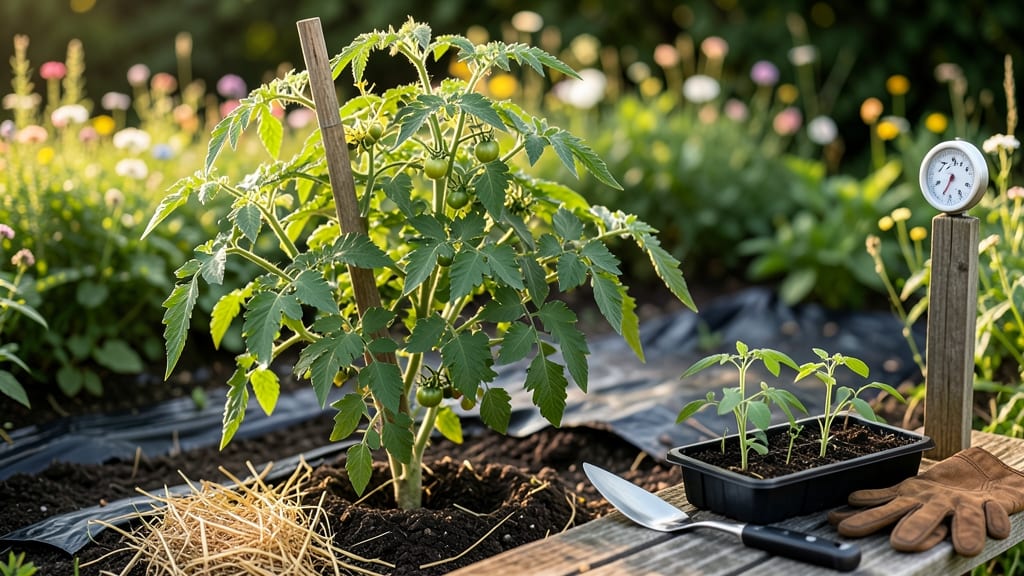
The best time to plant tomatoes in Arkansas isn’t just about the calendar—it’s about beating frost, avoiding heat stress, and giving your 🍅 vines the perfect head start. With Arkansas’ unique mix of Zones 7a, 7b, and 8a, planting too early means frost damage, while waiting too long shrinks your harvest window. But here’s the good news: there’s a sweet spot—and missing it could cost you bushels of ripe fruit.
Whether you’re a first-time gardener or a seasoned green thumb, timing matters more than you think. The last frost date in Arkansas typically falls around mid-March, but soil temperature and local microclimates play just as big a role.
I’ll break down exactly when to plant—whether you’re using seedlings or seeds—and how to adjust for your specific zone to maximize your harvest from June to October.
You’ll also discover how to prepare your soil, choose the right tomato varieties for Arkansas’ short growing season, and avoid common mistakes that derail even the most well-intentioned gardeners. Let’s get your tomatoes growing strong and productive, no matter where you are in the state.
Ready to turn your Arkansas garden into a tomato powerhouse? The clock is ticking—let’s make sure you’re planting at the perfect moment for the biggest, juiciest harvest possible.
Arkansas tomato planting deadlines by Zone (7a, 7b, 8a): avoid frost & heat stress
Arkansas’ three USDA hardiness zones (7a, 7b, 8a) create distinct tomato planting windows—miss them, and you risk frost damage or heat stress.
The last average frost date shifts from March 20 in Zone 8a to April 15 in Zone 7a, while the first fall frost arrives earliest in northern Arkansas (November 1). Plan accordingly to maximize your 180-210 frost-free days.
For transplants (seedlings), the ideal window is 2-4 weeks after your last frost date—so April 1-15 for Zone 7a, March 25-April 10 for Zone 7b, and March 15-30 for Zone 8a.
Direct-sowing seeds? Wait until soil temps hit 60°F+ (usually mid-April to early May, depending on zone).
Here’s the non-negotiable timeline for Arkansas gardeners to avoid common mistakes like blossom drop or stunted growth:
| Zone | Last Avg. Frost | Transplant Window | Direct Seed Window | Heat Risk |
|---|---|---|---|---|
| 7a (North AR) | April 15 | April 30-May 15 | May 15-June 1 | High (July-August) |
| 7b (Central AR) | April 1 | April 15-May 1 | May 1-May 15 | Moderate (July) |
| 8a (South AR) | March 20 | March 25-April 10 | April 15-May 1 | Low (June-July) |
🌡️ Pro Tip: Use black plastic mulch to warm soil faster—critical for Zone 7a gardeners!
Zone 8a gardeners have the earliest and longest window—plant transplants by April 10 to avoid heat stress during Arkansas’ 90°F+ summers. Meanwhile, Zone 7a gardeners should prioritize early-maturing varieties (like ‘Early Girl’) to beat the first fall frost.
For all zones, succession planting every 2-3 weeks after your initial window extends harvests into October.
Watch for Arkansas-specific risks: Late spring frosts can still hit in April, while sudden heat waves in June may cause blossom drop. Harden off transplants for 7-10 days before planting to reduce shock.
And if your soil stays below 60°F past May 1, delay planting—cool soil stunts root growth.
For container growers, start transplants 4-6 weeks earlier indoors (by February 15) and move them outside after your zone’s last frost date. Containers heat up faster, so water daily and use self-watering pots to prevent fruit cracking.
Remember: Tomatoes need 6-8 hours of sun daily, so choose a south-facing spot with no afternoon shade. If your yard lacks full sun, opt for determinate varieties (bush types) like ‘Roma’, which tolerate partial shade better than indeterminate vines.
Missed the spring window? Fall planting is possible in Zone 8a—sow seeds August 1-September 1 for a late harvest. Just choose heat-tolerant varieties like ‘Solar Fire’ and protect seedlings from early October frosts with row covers.
Timing isn’t just about frost—it’s about balancing heat, soil temps, and daylight. Master Arkansas’ three zones, and you’ll turn your tomato dreams into bushels of ripe fruit.
5 Critical factors that determine your Arkansas tomato planting success (beyond the calendar)
Planting tomatoes in Arkansas isn’t just about avoiding frost—it’s about soil temperature, daylight hours, and even your tomato variety’s heat tolerance. These 5 hidden factors can make or break your harvest, especially in Arkansas’ unpredictable spring weather. Let’s dive into what truly matters beyond the calendar.
First, soil temperature is non-negotiable. Tomatoes won’t thrive until the soil reaches at least 60°F. In Arkansas, this usually happens by mid-April in Zone 8a but can linger into late April in Zone 7a.
Use a soil thermometer—don’t guess! Cold soil stunts roots and delays fruiting, leaving you with fewer tomatoes by summer.
Daylight sensitivity is another game-changer. Arkansas’ shorter days in spring can trick tomatoes into thinking it’s time to bolt (flower prematurely). If you plant too early, your seedlings might flower before they’re strong enough, leading to weak fruit. Wait until day lengths exceed 14 hours (typically late April to early May) for the best results.
| Factor | Arkansas Threshold | Why It Matters |
|---|---|---|
| Soil Temperature | 60°F+ (mid-April to late May) | Cold soil = stunted roots, delayed fruiting |
| Daylight Hours | 14+ hours (late April–early May) | Prevents premature bolting (flowering) |
| Heat Tolerance | Varies by variety (e.g., ‘Solar Fire’ > ‘Celebrity’) | Arkansas summers can exceed 90°F, stressing plants |
| Pest Pressure | High (hornworms, fusarium wilt) | Early planting = more time for pests to attack |
| Soil pH | 6.0–6.8 (test before planting) | Too acidic = nutrient deficiencies, poor yield |
Next, heat tolerance separates Arkansas winners from losers. Varieties like ‘Solar Fire’ or ‘Arkansas Traveler’ handle Arkansas’ 90°F+ summers better than heat-sensitive types like ‘Roma’. If you plant too late (after early June), your tomatoes may struggle to mature before the first frost.
Balance early planting (for frost-free growth) with heat-resistant varieties for a longer harvest window.
Don’t overlook pest pressure, either. Arkansas’ humid climate is a magnet for hornworms and fusarium wilt. Planting too early gives pests more time to devastate your crop.
Use row covers in spring and rotate planting sites yearly to reduce disease risk. Organic neem oil sprays can also help—apply them preventatively starting in May.
Finally, soil pH often gets overlooked, but it’s critical. Arkansas’ native soil is often too acidic (below 6.0), which locks out essential nutrients like phosphorus. Test your soil in early spring and amend with lime if needed.
Aim for a pH of 6.0–6.8—this small step can boost your yield by 30% or more. 🌱