
Companion Plants
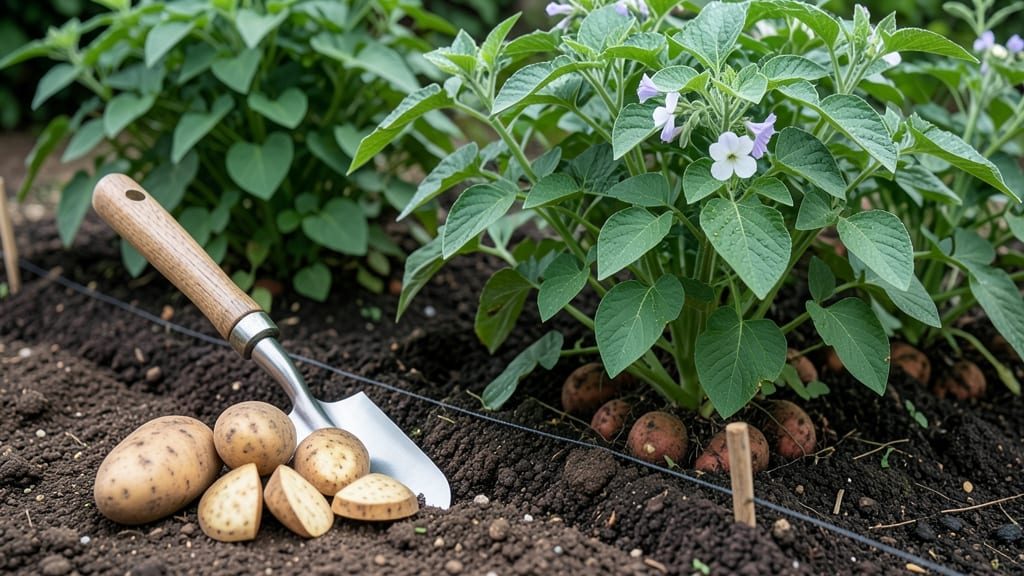
If you're wondering "when should I plant potatoes in Zone 6", timing is everything—get it right, and you'll enjoy a harvest of crisp, flavorful 🥔 tubers; get it wrong, and you might end up with frost-nipped sprouts or stunted growth.
Zone 6 gardeners know the struggle: waiting too long means risking early frost, while planting too soon can leave your potatoes vulnerable to cold soil.
The key is understanding your sub-zone (6a vs. 6b) and soil temperature trends, which typically allow planting as early as March once the ground warms to 45°F.
In this guide, I’ll break down the exact planting windows for both early and late varieties, how to test soil readiness, and when to adjust for microclimates in your area.
Whether you're a first-time gardener or a seasoned grower, these tips will help you avoid common mistakes and maximize your harvest.
Ready to dig in? Let’s make sure your potatoes get the perfect start—because the best time to plant is now, before the last frost hits your Zone 6 garden.

Optimal planting dates for potatoes in Zone 6 based on soil temperature
In Zone 6, potatoes thrive when planted at the right soil temperature—typically between 40-50°F. This window ensures tubers grow without frost damage while avoiding the heat stress of late spring.
The key is to plant 2-4 weeks before your last frost date, which in Zone 6 usually falls around mid-April.
For most of Zone 6, the ideal planting window is from late March to early May. However, this can shift slightly depending on whether you're in Zone 6a (colder) or Zone 6b (warmer).
Always check your local frost dates to fine-tune your schedule, as late frosts can still occur in early May.
Soil temperature is more critical than air temperature. Use a soil thermometer to confirm readiness—potatoes won’t sprout well in cold soil. If your soil is still below 45°F in early spring, wait another week or two. Planting too early risks rot or poor germination.
Here’s a quick reference for Zone 6 planting timing based on soil conditions:
If you’re unsure about your soil temperature, perform a simple finger test: Stick your finger about 4 inches deep into the soil. If it feels cool but not freezing, it’s likely ready for planting.
For extra protection against late frosts, use row covers or black plastic mulch to warm the soil faster.
Another pro tip: Chit your seed potatoes (place them in a bright, cool spot for 2-4 weeks before planting) to jumpstart growth. This helps compensate for cooler soil temperatures in early spring. Just avoid chitting too early—potatoes won’t sprout until soil warms up.
Remember, Zone 6’s growing season is short, so timing is everything. Planting too late can result in tubers maturing after the first frost, which ruins their flavor and storage potential. Aim for a harvest between late July and early September to avoid this issue.
For those in Zone 6a, err on the side of planting earlier (late March) to maximize your growing window. Meanwhile, Zone 6b gardeners have a bit more flexibility and can plant as late as early May for fast-maturing varieties like ‘Yukon Gold’ or ‘Red Norland’.
Finally, consider your microclimate. South-facing beds warm up faster than north-facing ones, so adjust your planting schedule accordingly. If your garden is shaded or prone to cold air pockets, delay planting by 1-2 weeks to avoid frost damage.
With these guidelines, you’ll be well on your way to a bountiful potato harvest—just don’t forget to hill your plants as they grow! 🌱
How to adjust planting time for early vs. late potato varieties
Not all potatoes mature at the same rate, which means your planting window should shift depending on whether you’re growing early varieties (60-90 days) or late varieties (100+ days).
In Zone 6, this flexibility lets you stretch your harvest from summer into early fall—but getting it wrong can leave you with underdeveloped tubers or a harvest cut short by frost.
Early varieties like ‘Early Girl’ or ‘Red Pontiac’ are your best bet for late planting. These fast-maturing potatoes can tolerate cooler soil and still produce a harvest by late July or early August, even if planted as late as early May.
Meanwhile, late varieties like ‘Russet’ or ‘Kennebec’ need the full growing season, so they must be in the ground by mid-April at the latest to avoid frost damage before maturity.
Here’s how to match your variety to the right Zone 6 planting schedule:
For succession planting—a smart strategy in Zone 6’s short season—stagger your plantings every 2-3 weeks from late March through early May. This ensures a steady supply of fresh potatoes instead of one big harvest.
For example, plant ‘Early Girl’ in late March for a July harvest, then follow with ‘Kennebec’ in mid-April for a September harvest.
Spacing also matters: Early varieties can be planted 12 inches apart in rows 30 inches apart, while late varieties benefit from slightly more space (15 inches apart) to accommodate larger tubers.
Use hilling (piling soil around stems) to prevent greening and encourage tuber formation, especially for late varieties that need extra support as they grow.
One common mistake is assuming all potatoes are created equal. Red potatoes like ‘Red LaSoda’ mature faster than russets, so they’re ideal for late plantings. Meanwhile, Yukon Golds fall in the mid-season range and offer a balance of speed and yield.
Always check the seed packet for days-to-maturity—this is your golden rule for adjusting planting times.
If you’re pushing the limits with late plantings (like in early May), opt for container-growing to warm the soil faster. Black plastic pots or raised beds can give your potatoes a 2-3 week head start compared to in-ground planting.
Just be prepared to harvest sooner to avoid heat stress in late summer.
Finally, remember that Zone 6’s first frost typically arrives in mid-October, cutting off the growing season for late varieties. To extend your harvest, choose cold-hardy varieties like ‘Purple Viking’ or ‘German Butterball,’ which can tolerate light frosts and still produce edible tubers even if the tops die back.