
Companion Plants
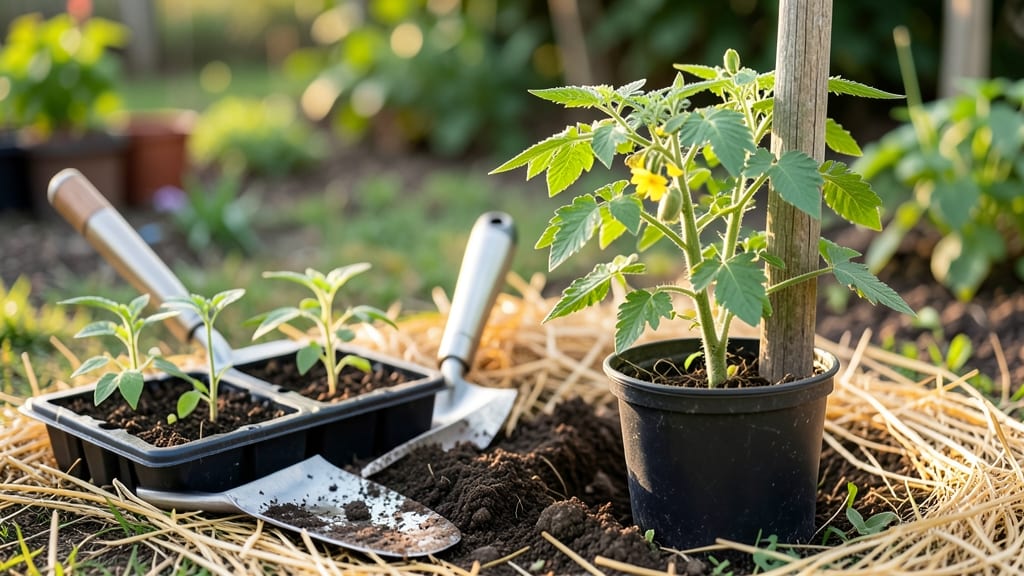
If you’ve ever watched your 🍅 tomatoes wilt overnight after a late frost—or missed the perfect harvest window—you know Missouri’s planting timing is the difference between a bumper crop and a bust.
The right window for planting in Zone 5b-6a isn’t just about dates; it’s about avoiding those costly mistakes that turn eager gardeners into frustrated ones by June.
Most Missouri gardeners assume "spring" means April 15 is go-time, but frost can linger in some regions until early May. That’s why I’ve dug into the data—last frost averages, soil temperature thresholds, and even backup plans for those unpredictable years—to give you the exact deadlines you need.
Whether you’re starting seeds indoors or rushing to transplant seedlings, this isn’t just theory; it’s what’s worked for local growers from St. Louis to Kansas City.
Here’s the game-changer: Planting too early risks frost damage, but waiting too long cuts your harvest short. I’ll break down the week-by-week timeline so you can align your schedule with Missouri’s climate—plus, the best varieties that thrive in our short season. No more guesswork, just more tomatoes on your plate.
Ready to turn your garden into a tomato powerhouse? Let’s get your plants in the ground at the perfect moment—before the next frost warning hits your phone.
Missouri’s last frost dates by Zone 5-6: exact week-by-week planting timeline
Missouri’s Zone 5-6 climate means tomatoes (🍅) need precise timing to avoid frost damage. The average last frost date is April 15, but weather varies—St. Louis often sees frost until mid-April, while Kansas City may push to late April.
Always check your local USDA zone map for exact deadlines.
For transplants, wait until soil temperatures hit 60°F+ and nighttime temps stay above 50°F. Direct sowing seeds requires even warmer soil (70°F+) and should never happen before May 1 in most regions. Use a soil thermometer to verify—cool soil stunts growth.
Missouri’s growing season spans just 165 frost-free days, so timing is critical. Plant too early, and frost kills seedlings. Too late, and you’ll miss peak harvests. Here’s your region-specific timeline for Zone 5b-6a:
Missouri’s spring warmth can be deceptive—even after frost danger passes, cool nights (below 55°F) slow growth. Use row covers or black plastic mulch to warm soil faster. For late plantings, opt for determinate varieties (bush types) that mature faster.
If you miss the spring window, consider fall planting! Some varieties (like 'Celebrity') can tolerate light frosts if planted by July 15. Just ensure 90+ days remain before your first frost. Use a frost calendar like the one from the Missouri Botanical Garden for updates.
Pro tip: Start seeds indoors 6–8 weeks before your last frost date. Use grow lights for 14–16 hours/day to prevent leggy seedlings. Harden off transplants for 7–10 days before moving them outdoors to avoid shock.
Missouri’s unpredictable weather means flexibility is key. If a late frost hits, cover seedlings with frost cloth or move pots indoors temporarily. Monitor your local National Weather Service alerts for real-time updates.
For container gardening, plant 2–3 weeks later than in-ground tomatoes—pots warm up slower. Use self-watering containers to maintain consistent moisture, as potted plants dry out faster.
Remember: Soil temperature matters more than air temperature. Test it with a soil thermometer—tomatoes won’t thrive until roots hit 60°F+. If your soil is still cold, delay planting or use heat mats for containers.
Missouri’s short growing season demands smart planning. By following these deadlines, you’ll maximize your tomato harvest from July through October. Happy planting! 🌱
How to extend your tomato growing season in Missouri’s unpredictable climate
Missouri’s unpredictable spring frosts and sweltering summer heat can sabotage your tomato harvest if you don’t plan ahead. The key to success? Extending your growing season with smart techniques tailored to Missouri’s Zone 5-6 climate.
Whether you’re dealing with late frosts or early heatwaves, these strategies will help you squeeze every last juicy tomato from your season.
First, understand that tomatoes thrive best when soil temperatures stay above 60°F and nighttime temps remain above 50°F. In Missouri, this often means waiting until mid-April to early May for direct sowing, but with the right tools, you can push those limits.
For example, using row covers or cold frames can shave off critical weeks of frost risk, letting you plant 2-3 weeks earlier than the average last frost date.
🌱 Did You Know? Missouri’s frost-free season averages just 165 days, so every extra week counts! With proper planning, you can extend this by 3-4 weeks on either end.
Here’s how to maximize your tomato season in Missouri, from early starts to late harvests:
- 📅 Start seeds indoors 6-8 weeks before your last frost date (typically mid-February to early March). Use grow lights for 12+ hours/day to prevent leggy seedlings.
- 🌡️ Use row covers or floating tunnels to protect seedlings from late frosts (down to 28°F). Remove when plants are 12+ inches tall to avoid overheating.
- ☀️ Choose heat-tolerant varieties like 'Heatmaster' or 'Solar Fire', which thrive in 90°F+ temps without bolting. These can handle Missouri’s summer heatwaves better than traditional varieties.
- 🏡 Extend fall harvests with black plastic mulch or straw mulch to warm soil and delay frost damage. Plant cold-hardy varieties like 'Stupice' or 'Glacier' in late summer for October harvests.
- 🌿 Try container gardening for early starts. Move pots indoors at night if frost threatens, then return them to sunny outdoor spots during the day once temps rise.
Don’t overlook soil temperature—it’s just as critical as air temperature. Use a soil thermometer to confirm your garden beds have reached at least 60°F before planting. In Missouri, this often means waiting until late April or early May, especially in northern zones.
For direct sowing, aim for after May 1 to avoid frost damage to young plants.
If you’re starting seeds indoors, begin them 6-8 weeks before your target transplant date. For Missouri, this typically means mid-February to early March.
Use seedling heat mats to speed germination, and harden off seedlings for 7-10 days before transplanting to toughen them up for Missouri’s variable spring weather.
For late-season harvests, focus on disease-resistant varieties like 'Mountain Merit' or 'Defiant PhR', which handle Missouri’s humid summers better than heirlooms. Pair them with proper spacing (18-24 inches apart) and pruning to improve airflow and reduce fungal risks.
With these strategies, you can enjoy homegrown tomatoes well into October—or even November in mild years!