
Plants
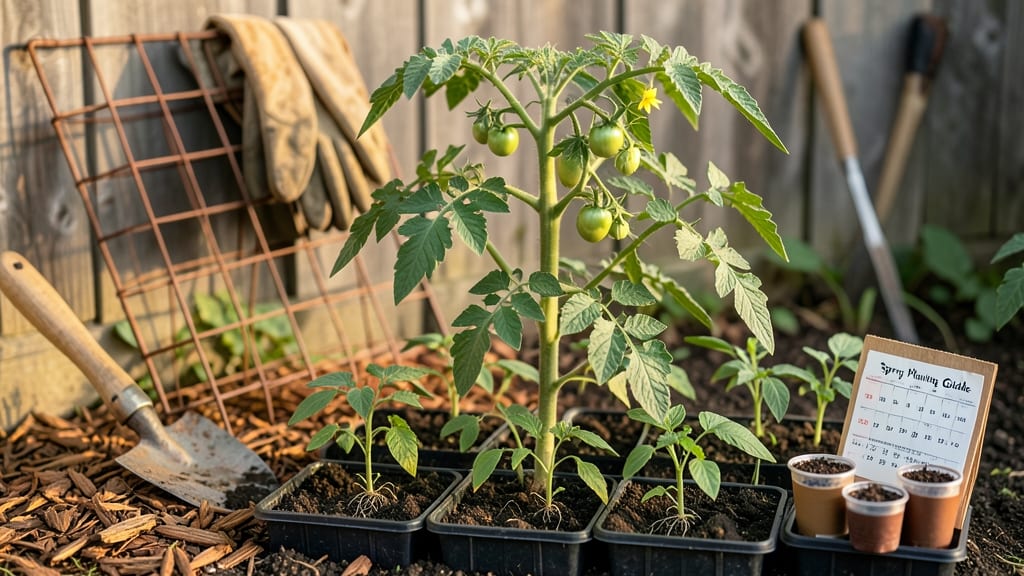
Timing when should you plant tomatoes in Indiana is the difference between a bumper crop and a sad, frost-nipped disappointment.
With Indiana’s unpredictable spring weather, knowing exactly when to plant—whether you’re starting seeds indoors or setting out transplants—can mean the difference between 6 weeks of homegrown tomatoes and none at all.
Most Indiana gardeners wait until after the last frost date, which typically falls around April 15, but soil temperature is just as critical. Tomatoes need warm soil—at least 60°F—to thrive, and cool springs can delay planting until early May.
Whether you’re working with in-ground beds or containers, getting this right ensures your plants take off without stress.
This guide breaks down the ideal planting window for your Indiana zone, including when to start seeds indoors and how to harden off transplants for success. We’ll also cover succession planting tips to extend your harvest from summer into early fall, plus variety recommendations that perform best in Indiana’s climate.
Ready to grow tomatoes that rival the grocery store? Let’s dive into the exact steps to time your planting perfectly—and keep your garden producing until September.
Indiana’s frost dates & ideal tomato planting windows by region
Indiana’s USDA zones 5-7 create microclimates with last frost dates ranging from early April in southern counties to late May in the north. For tomatoes, this means your planting window could shift by weeks depending on where you live.
The key is waiting until soil temperatures hit 60°F+ and all frost risk has passed—typically 2-3 weeks after your area’s average last frost date.
Northern Indiana gardeners (e.g., Gary, South Bend) should aim for May 1-15, while central regions (Indianapolis, Lafayette) can plant April 20-May 10. Southern Indiana (Evansville, Louisville metro) enjoys an earlier window of April 1-15.
Use these guidelines as a starting point, but always monitor local forecasts for late spring frosts, which can still occur in May.
Tomatoes are heat-loving annuals that need 120-150 frost-free days to mature. In Indiana, this translates to planting by mid-May at the latest for most varieties. If you’re pushing the envelope with late-season varieties, consider row covers or greenhouses to extend your growing season into early fall.
For container gardening, timing is even more critical—pots warm up faster and can’t buffer temperature swings. Start 2-3 weeks later than in-ground planting to avoid root shock from cool soil. Place containers in south-facing spots and use black plastic mulch to warm soil 2-3°F faster.
Indiana Tomato Planting Timeline by Region
| Region | USDA Zone | Last Frost Date | Ideal Planting Window | Harvest Window |
|---|---|---|---|---|
| Northern (Gary, South Bend) | 5a-5b | May 1-15 | May 15-June 1 | July-September |
| Central (Indianapolis, Lafayette) | 6a-6b | April 20-May 5 | April 30-May 15 | June-October |
| Southern (Evansville, Louisville) | 7a-7b | April 1-15 | April 15-May 1 | May-November |
🌱 Pro Tip: Check your local county extension office for precise frost data—Indiana’s microclimates can vary by 5-10 miles!
If you’re direct-sowing seeds instead of using transplants, start 4-6 weeks earlier than your transplant window. Seeds germinate best in 70-85°F soil, so use heat mats or black plastic mulch to speed up germination.
For succession planting, sow a second batch 2-3 weeks after your first planting to stagger harvests through summer.
Urban gardeners in Indiana cities like Indianapolis or Fort Wayne may face heat islands that warm soil faster. Test soil temperature with a soil thermometer (available at garden centers) before planting—60°F+ at 6 inches deep is ideal.
If soil is cooler, wait 5-7 days or use row covers to warm it.
For late-season extensions, consider cold frames or low tunnels to protect plants until October 15, Indiana’s average first frost. Varieties like ‘Mountain Merit’ or ‘Better Boy’ can tolerate cooler temps better than heat-sensitive types like ‘Sweet 100’.
Remember: Tomatoes hate cold feet. Even if air temps are warm, cool soil will stunt growth. Amend your beds with compost or well-rotted manure 2-3 weeks before planting to improve warmth retention.
In containers, use 5-gallon pots minimum and place them on heat-absorbing surfaces like black plastic or pavers.
🌿 Key Takeaway: Indiana’s planting window is April 15-May 15 for most regions, but
Soil temperature & hardening off: the 3 critical steps before planting
Indiana’s spring soil temperature swings wildly, making it tricky to time tomato planting. While the last frost date (around April 15) is a key marker, soil warmth is equally critical. Tomatoes need roots in soil that’s at least 60°F—any cooler, and growth stalls.
I’ve learned the hard way that rushing into cold soil leads to leggy, weak plants that struggle to produce fruit.
To check soil temperature, use a soil thermometer (just $10 at garden centers). Stick it 2-3 inches deep in your planting area first thing in the morning. If it’s below 60°F, wait another week—your patience will pay off with stronger plants.
In northern Indiana (USDA Zone 5), this often means delaying until early May, while southern Indiana (Zone 6) can start as early as late April.
Here’s where hardening off seedlings becomes non-negotiable. If you started seeds indoors (which I recommend for early varieties), your seedlings need 7-10 days of gradual exposure to outdoor conditions. Begin by placing them outside in partial shade for 2-3 hours on day one, then increase exposure by 2 hours daily.
By day 7, they should handle full sun for 6-8 hours. Skip this step, and you’ll risk transplant shock—wilting or even death in extreme cases.
🌱
Direct-Sowing vs. Transplanting in Indiana
Direct-Sowing
- ✅ Pros: Hardier plants (no transplant shock)
- ✅ Cheaper (no seedlings to buy)
- ✅ Better for late varieties (plant after frost risk)
❌ Cons:
- ❌ Slower to mature (wait for soil temp)
- ❌ Risk of frost damage if planted too early
Transplanting
- ✅ Pros: Earlier harvest (plant 2-3 weeks sooner)
- ✅ Wider variety selection (including heirlooms)
- ✅ More control over growing conditions
❌ Cons:
- ❌ Costlier (seedlings + hardening off time)
- ❌ Transplant shock risk if not acclimated properly
Best for Indiana: Start seeds indoors 6-8 weeks before last frost, then transplant after soil warms.
For container gardening, soil warms up faster than in-ground beds, so you can plant transplants 1-2 weeks earlier. Fill containers with a lightweight potting mix (avoid garden soil—it compacts and stays cold).
If you’re using black plastic mulch, lay it down 2 weeks before planting to warm the soil 5-10°F faster. I’ve seen this trick shave 10 days off the waiting game in cool springs.
One final tip: If your spring is unusually cold, consider row covers or a mini greenhouse to jumpstart growth. These create a microclimate that warms soil and protects young plants.
Just remove covers once true leaves appear to prevent overheating. With these steps, you’ll avoid the heartbreak of frost-nipped tomatoes and enjoy a long, productive season instead.
☀️