
Plants
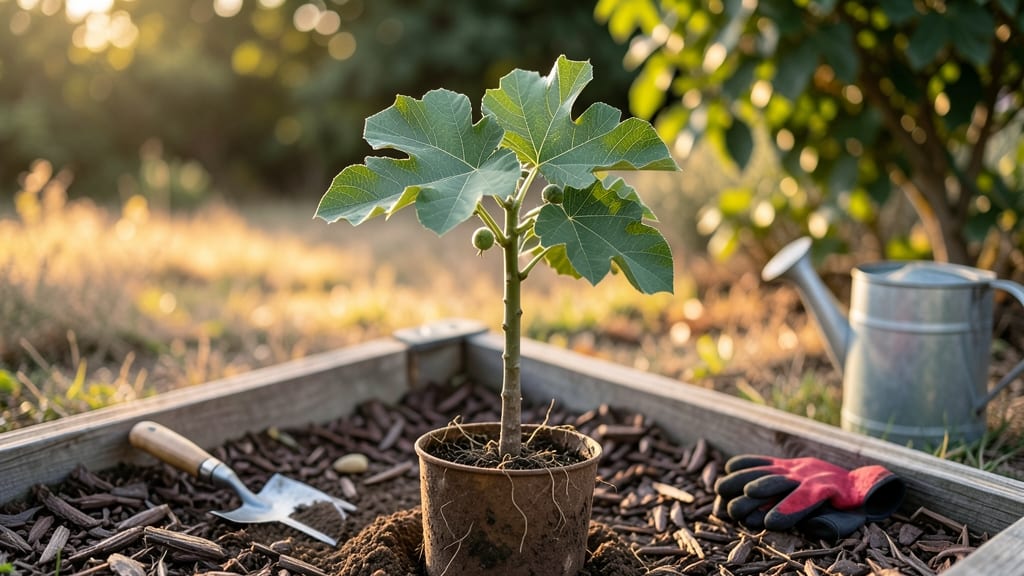
Timing is everything when it comes to planting a fig tree in New York—get it wrong, and you might be left with a sad, frost-bitten sapling instead of a thriving 🍈 that bears fruit for years.
The key lies in waiting until after the last frost, typically between late April and early June, when the soil has warmed enough to support root growth.
New York’s diverse climate, from the cooler upstate regions to the slightly milder city areas, means your planting window might shift slightly depending on your specific zone.
In USDA Zone 6a, where frost lingers later, you’ll want to hold off until early June to avoid surprise cold snaps that can stunt young trees.
Container planting offers a clever workaround for those in colder microclimates—it gives you flexibility to move your fig tree indoors when temperatures drop. But even then, timing matters: planting too early risks root shock, while waiting too long can leave your tree struggling to establish before winter arrives.
Whether you’re digging in the ground or potting up your fig, I’ll walk you through the exact steps to pick the perfect moment for your New York garden. Let’s get those roots growing strong!
NY hardiness zones: best planting months for fig trees by region
New York’s diverse climate—from the Adirondacks to Long Island—means fig tree planting times vary wildly. Fig trees (Ficus carica) thrive in USDA Zones 7-10, but NY’s Zones 5-7 require strategic timing to survive winter.
The key? Planting after the last frost date (typically mid-April in most regions) and choosing cold-hardy varieties for northern areas.
In Zone 6 (Upstate NY), where winters are harsh, container planting is often the safest bet. You’ll need to move pots indoors or wrap the tree in burlap during freezes. For Zone 7 (NYC, Hudson Valley), in-ground planting works if you mulch heavily and select cold-resistant varieties.
Southern Zone 8 (Long Island) offers a longer window—plant as late as early June—but still avoid late-season heatwaves.
Here’s the breakdown you need to pick the perfect planting window for your NY region:
| Region | USDA Zone | Best Planting Window | Soil Prep Tip | Winter Care |
|---|---|---|---|---|
| Northern NY (Adirondacks, Buffalo) | Zone 5-6 | Late May - Early June | Amend with compost; use raised beds | Containerize or wrap roots |
| Upstate NY (Albany, Syracuse) | Zone 6 | Mid-April - Late May | Test soil pH (6.0-7.0); add sand for drainage | Mulch 4-6 inches deep |
| NYC, Hudson Valley | Zone 7 | Late April - Early June | Add organic matter; avoid clay soil | Use frost cloth for young trees |
| Long Island, Southern Tier | Zone 8 | Early April - Late June | Well-draining soil; full sun exposure | Minimal winter care needed |
For container planting in colder zones, choose 5-gallon pots with drainage holes. Use a lightweight potting mix (60% soil, 30% compost, 10% perlite) to prevent root rot. Move containers to a sunny porch or greenhouse when temps drop below 20°F.
In-ground plantings need 6-8 hours of sun and well-draining soil—amend heavy clay with sand or grit to mimic Mediterranean conditions.
Pro tip: Mulch is your best friend in NY winters. Apply 4-6 inches of straw or wood chips around the base (but not touching the trunk) to insulate roots. For container trees, wrap the pot in bubble wrap or insulating foam before moving indoors.
This extra layer can mean the difference between a frozen root system and a fruit-bearing tree next summer.
If you’re in Zone 6 or colder, consider dwarf varieties like ‘Little Miss Figgy’ (matures at 6-8 feet) or ‘Celeste’ (cold-hardy to 15°F). These stay small enough for containers and produce fruit faster than standard varieties.
Just remember: dwarf trees still need full sun and consistent watering—their compact size doesn’t mean low-maintenance!
Timing isn’t just about the calendar—it’s about soil temperature. Figs need soil to stay above 60°F for root growth. Use a soil thermometer to check before planting.
If your soil is still chilly in late May, wait another week. Patience now means healthier roots and better fruit production in years to come.
One common mistake? Planting too early and getting frost damage on new growth. I’ve seen it happen—bright green leaves turning black overnight. To avoid this, monitor your local frost forecast and plant 2-3 weeks after the average last frost date for your area.
Websites like Almanac.com provide hyperlocal frost data—bookmark it before you dig!
Finally, container gardening is your secret weapon in NY’s unpredictable climate. You can move fig trees indoors during winter (
NY hardiness zones: best planting months for fig trees by region
New York spans USDA Zones 5-7, and your fig tree’s planting window shifts based on your exact location. In Zone 5 (e.g., Buffalo, Syracuse), wait until mid-May to early June—frost lingers later here, and young roots can’t handle cold snaps.
Meanwhile, Zone 7 (e.g., NYC, Long Island) gardeners can plant as early as late April, as frost risks drop significantly.
For container-grown figs, you gain flexibility: plant in late spring (May-June) and move pots indoors before October’s first frost. This method works even in Zone 5, but ensure your container has drainage holes and use a lightweight potting mix to prevent root rot.
Soil temperature is your best guide—aim for at least 60°F (15°C) at a 6-inch depth. Use a soil thermometer to check; if it’s cooler, wait another week. Well-draining soil is non-negotiable: figs hate soggy roots, so amend clay soil with compost or sand before planting.
🌱
| Zone | Best Planting Window | Soil Prep Tip | Container Notes |
|---|---|---|---|
| 5 (Buffalo, Syracuse) | Mid-May to early June | Add compost to heavy clay | Use 15-gallon pots; move indoors by Oct 15 |
| 6 (Albany, Hudson Valley) | Late April to early May | Test pH (6.0–7.0); amend if needed | Choose dwarf varieties like 'Celeste' |
| 7 (NYC, Long Island) | Late April to mid-May | Mulch with straw to retain warmth | Winterize with frost cloth |
Microclimates matter! Urban areas like Manhattan or Brooklyn often see 2–4°F warmer temps than rural spots, so you can plant 1–2 weeks earlier in city gardens. Conversely, Adirondack regions (Zone 5) may need to delay until June 1 to avoid late frosts.
After planting, mulch heavily (3–4 inches of straw or wood chips) to insulate roots. In Zone 5–6, wrap the trunk with burlap or frost cloth in winter. For container figs, move them to a garage or sunroom where temps stay above 30°F (-1°C).
🌿