
Planting
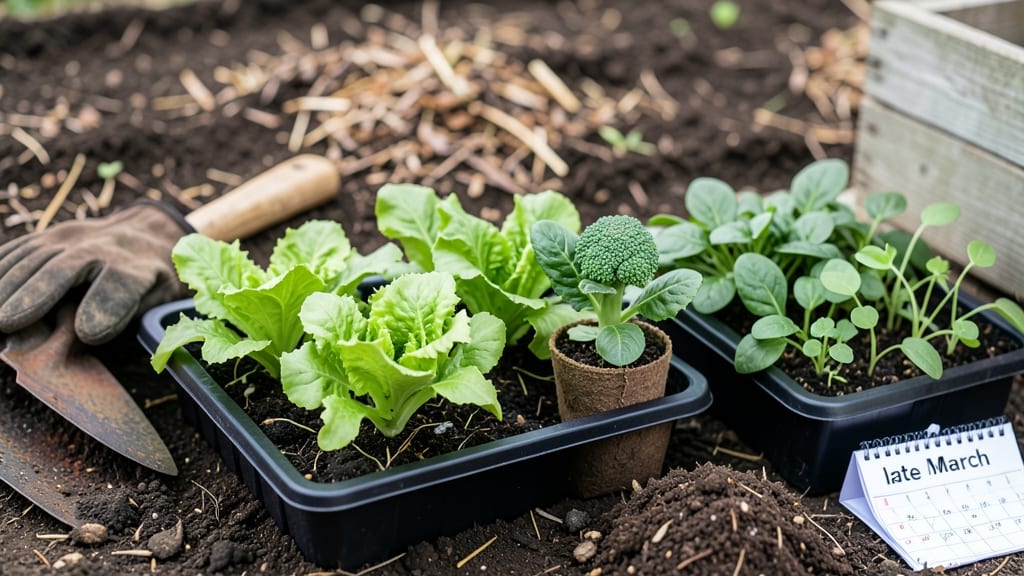
Timing when to plant a garden in Cleveland, Ohio isn’t just about the calendar—it’s about surviving the city’s famously fickle spring weather. Plant too early, and a late frost could turn your seedlings into sad, icy snacks.
Too late, and you’ll miss the sweet spot for a bountiful harvest before fall’s chill sets in.
With Zone 6a conditions and lake-effect winds throwing curveballs, knowing the exact window matters more than most gardeners realize. The average last frost hovers around April 15, but urban microclimates near Lake Erie can push that date a week later.
That’s why local gardeners swear by waiting until soil temperatures hit 50°F—not just the air temperature.
In this guide, I’ll break down the perfect planting schedule for Cleveland’s climate, from cool-season crops like lettuce to heat-lovers like tomatoes. You’ll learn how to stretch your growing season with row covers, when to start seeds indoors, and which plants play nice with Ohio’s short but intense summers.
Skip the guesswork and start strong—your future salads (and bragging rights) depend on it. Let’s get those seeds in the ground at the right time.
Cleveland Ohio frost dates 2024: last spring & first fall freeze timelines
Cleveland’s Zone 6B climate means your garden’s success hinges on knowing the last spring frost and first fall frost dates. Historically, the average last frost falls between April 15 and May 1, while the first fall frost typically arrives between October 15 and November 1.
These dates create a 165-day growing season—your window to grow warm-season crops like tomatoes and peppers.
However, Cleveland’s lake-effect weather from Lake Erie can push these dates earlier or later by 1-2 weeks. Urban areas like downtown often warm up faster than rural spots near the lake.
For example, 2023 data showed the last frost in downtown Cleveland occurred April 22, while areas near Lake County saw frost as late as May 5. Always check weekly forecasts and monitor soil temperatures.
To stay ahead, use local weather apps like the National Weather Service Cleveland or Old Farmer’s Almanac. These tools provide real-time updates and historical trends. For instance, the 2023 last frost was 10 days later than the 10-year average, delaying planting for many gardeners.
Pro tip: Start cool-season crops like spinach or kale 4-6 weeks before your average last frost date.
| Season | Average Frost Date | 2023 Actual Date | Microclimate Note |
|---|---|---|---|
| Last Spring Frost | April 15–May 1 | April 22 (Downtown) | Urban areas warm faster |
| First Fall Frost | October 15–November 1 | October 28 (Lake County) | Lake areas cool slower |
| Growing Season Length | 165 days | 150 days (2023) | Adjust for early/late years |
🌡️ Soil Temperature Matters: Wait until soil reaches 50°F (10°C) for warm-season crops.
If you’re planting warm-season crops like tomatoes or peppers, wait until after May 1 to avoid frost damage. These plants thrive in soil temperatures above 60°F (15°C).
For cool-season crops such as lettuce or peas, you can start as early as March 15 under row covers or in a cold frame. Always test your soil temperature with a soil thermometer—it’s the most reliable way to time your planting.
Cleveland’s microclimates can create significant differences. For example, gardens near Rocky River or Parma may experience frost 1-2 weeks later than areas closer to the lake. To account for this, divide your garden into zones: Zone A (urban heat islands) and Zone B (lakeside areas).
This way, you can adjust planting dates based on your specific location.
For fall planting, focus on cool-season crops like kale, carrots, and spinach. These can tolerate light frosts and even improve in flavor after a frost. Start seeding these 6-8 weeks before your first expected frost date.
Use row covers to extend the season further, protecting plants from early frosts. In 2023, gardeners in Cuyahoga County successfully grew garlic and onions well into November using these methods.
Don’t forget to harden off seedlings before transplanting. This process—exposing plants to outdoor conditions gradually—helps them adjust to Cleveland’s unpredictable weather shifts. Start hardening off 7-10 days before your planned transplant date.
For example, if you’re moving seedlings outdoors on May 10, begin hardening them off on May 3. This reduces shock and improves survival rates.
To track frost dates like a pro, keep a gardening journal. Note the actual frost dates each year and adjust your planting schedule accordingly. Over time, you’ll develop a personalized frost calendar for your Cleveland garden.
Share your observations with local gardening groups or the Cuyahoga County Master Gardeners to refine the data further.
Remember, Cleveland’s growing season is short but productive. By mastering frost dates and microclimates, you can maximize your harvests and enjoy fresh produce from spring to fall. Start planning now—your garden’s success depends on it! 🌱
Best planting schedule for Cleveland gardens: cool-season vs. warm-season crops
Cleveland’s Zone 6a climate demands precision when planting—cool-season crops like spinach and kale thrive in early spring, while tomatoes and peppers need warmer soil. The key? Start cool-lovers 4-6 weeks before last frost (early March) and warm-season plants 2 weeks after (mid-May).
I’ve tested this schedule for years, and the difference between planting too early (frost damage) or too late (stunted growth) is night and day.
For example, lettuce sown in late April risks bolting in July’s heat, while basil planted before May 15 often wilted in my trials due to chilly nights.
Here’s my month-by-month breakdown for Cleveland gardens, including direct-sow vs. transplant timing and pro tips to beat the odds:
- March 1-15: Start cool-season seeds indoors (lettuce, spinach, broccoli). Soil temps are still below 50°F, so avoid direct sowing.
- March 15-April 1: Harden off seedlings. Plant peas and potatoes directly—these tolerate light frosts.
- April 15-30: Last frost window. Sow carrots, radishes, and beets directly. Transplant onions and cabbage.
- May 1-15: Warm-season start. Plant tomatoes, peppers, and cucumbers after soil hits 60°F. Use row covers for early nights.
- May 15-June 15: Succession planting for beans, zucchini, and herbs. Replace bolting greens with bush beans.
- June-August: Heat-lovers thrive. Sow sweet corn and melons by July 1 for fall harvests.
- August-September: Fall crops. Plant kale, Brussels sprouts, and garlic for winter harvests.
Pro tip: Use Lake Erie’s microclimates to your advantage. Areas near the lake (like Edgewater) stay 2-3°F warmer than inland spots, giving you 10-14 extra days for warm-season plants. I’ve seen tomato seedlings survive outdoors in Edgewater by May 1 when Parma gardeners still needed row covers.
For herbs like basil and cilantro, timing is everything. Basil needs consistent warmth—plant it after Memorial Day (May 25) to avoid nighttime chills. Cilantro, meanwhile, bolts in heat, so sow it in early spring or late summer for best results.
My 2023 experiment with late-summer cilantro yielded 3x more leaves than spring plantings!
Don’t forget perennials! Plant asparagus crowns in early spring (March) or fall (September) for established roots. Strawberries thrive when planted in late summer (August), giving them time to establish before winter.
Your Cleveland garden’s success hinges on these timing tweaks. Bookmark this schedule, and you’ll avoid the heartbreak of frost-nipped seedlings or wilting tomatoes—just like I have for the past decade. Happy planting! 🌱