
Planting
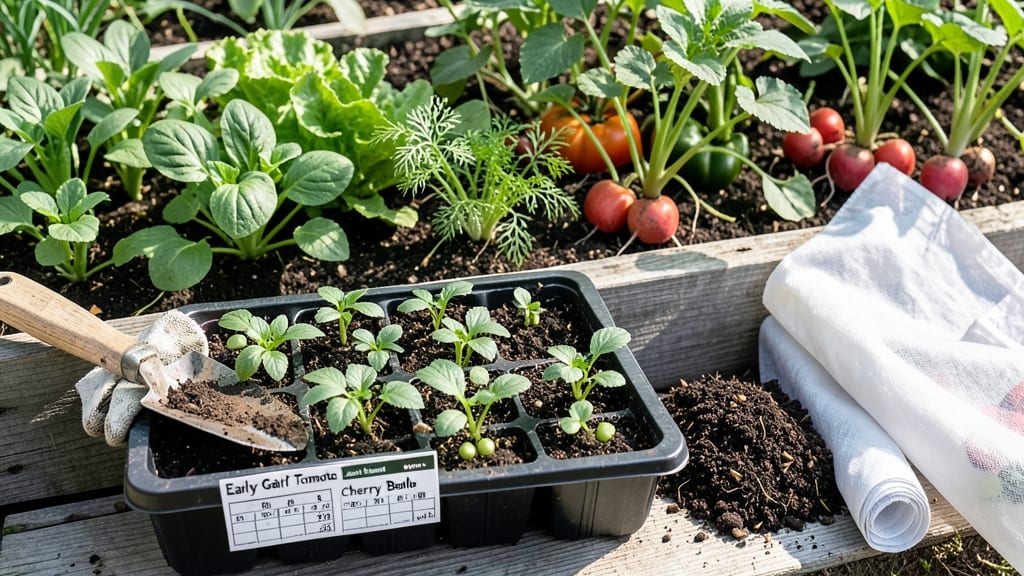
Timing your Pennsylvania garden planting right can mean the difference between a bumper crop and a sad, wilted disappointment. With frost dates that vary wildly from Pittsburgh to Philadelphia, getting it wrong is easier than you think—and most gardeners make the same mistakes year after year.
I’ve spent years growing a 🌱 General Garden in USDA zones 5b-7a, and the key isn’t just following a generic calendar. It’s about understanding your local microclimate, soil temperatures, and the 150-200 frost-free days that define Pennsylvania’s growing season.
Too early, and your seedlings will freeze; too late, and your tomatoes won’t ripen before winter sets in.
In this guide, I’ll break down the exact spring and fall planting windows for everything from cold-hardy greens to heat-loving peppers—plus the 5 biggest timing mistakes PA gardeners make (and how to avoid them).
Whether you’re a beginner or a seasoned grower, these insights will help you plan like a pro.
Ready to stop guessing and start growing? Let’s dive into the perfect planting schedule for your Pennsylvania garden—and why waiting until May might already be too late for some of your favorite crops.
Pennsylvania planting zones: when to start cold-hardy crops by region
Pennsylvania spans USDA zones 5b through 7a, meaning your planting timeline should vary slightly depending on whether you're in Pittsburgh (Zone 6a), Philadelphia (Zone 7a), or Erie (Zone 5b).
The key to success is planting cold-hardy crops—like kale, spinach, and peas—as soon as the soil is workable, typically 4-6 weeks before your last frost date.
For most of Pennsylvania, the average last frost date falls between April 15 and May 1, but microclimates near bodies of water or in urban areas can push this back by 1-2 weeks.
In colder northern zones (like Erie), aim for mid-April starts, while southern zones (like Philadelphia) can begin as early as late March.
Here’s how to align your planting with Pennsylvania’s regional frost averages:
| Region | USDA Zone | Last Frost Date | Best Time to Start Cold-Hardy Crops | Example Crops |
|---|---|---|---|---|
| Northern PA (Erie, State College) | 5b | April 20–May 1 | Mid-April (soil temp: 40°F+) | Peas, kale, spinach, lettuce |
| Central PA (Harrisburg, Lancaster) | 6a | April 15–April 30 | Late March–early April (soil temp: 45°F+) | Radishes, carrots, broccoli, cabbage |
| Southern PA (Philadelphia, Reading) | 7a | April 1–April 15 | Late February–March (soil temp: 50°F+) | Onions, garlic, Swiss chard, arugula |
🌱 Pro Tip: Use a soil thermometer to confirm readiness—cold-hardy crops thrive in 40–50°F soil.
If you’re unsure about your exact frost date, check the Penn State Extension or National Weather Service for localized data. For northern PA, err on the side of caution—delaying by 1–2 weeks can save your seedlings from a surprise frost.
For southern PA gardeners, you’ll have an earlier window to plant cool-season crops, but don’t rush—soil that’s too cold will stunt growth. Amend your beds with compost or aged manure to warm the soil faster and give your plants a head start.
Once you’ve planted your cold-hardy crops, mark your calendar for warm-season transplants (like tomatoes and peppers) after the last frost. In Pennsylvania, this typically means waiting until mid-May to early June, depending on your zone.
Remember: Frost dates are averages, not guarantees. Keep a frost cloth handy for late-season plants, especially in Zone 5b areas where frost can linger into May.
For a foolproof method, try succession planting every 2 weeks after your last frost date. This ensures a steady harvest of leafy greens like lettuce or spinach, even if Mother Nature throws a curveball.
Now that you’ve mastered the cold-hardy crops, your next step is timing warm-season plants—but that’s a topic for the next section! Stay tuned for tips on tomatoes, peppers, and corn in Pennsylvania’s short growing season.
Warm-season planting schedule: tomatoes, peppers, and corn timing for PA’s short growing season
Pennsylvania’s warm-season crops like tomatoes, peppers, and corn need precise timing to thrive. These plants bolt or struggle when soil temperatures dip below 60°F, so waiting for the right moment is critical.
In most of PA, soil warms enough between late May and early June, but northern zones (like Erie) may need to wait until June 10-15.
Start seeds indoors 6-8 weeks before your last frost date to give seedlings a head start. For example, if your last frost is April 15, begin seeding tomatoes around March 1.
Use grow lights or a sunny windowsill to avoid leggy seedlings. Transplant outdoors only after nighttime temperatures consistently stay above 55°F.
Here’s your PA-specific warm-season planting guide, including soil prep tips and backup dates for late starts:
| Crop | Indoor Start Date | Outdoor Transplant | Soil Temp Requirement | Backup Late Start |
|---|---|---|---|---|
| Tomatoes | March 1–15 | May 15–June 1 | 60°F+ | June 15 (dwarf varieties) |
| Peppers | March 15–April 1 | May 20–June 5 | 65°F+ | June 20 (slow-growing) |
| Corn | Direct sow only | May 10–20 | 55°F+ | June 1 (shorter season) |
Prep your soil by adding compost and a balanced fertilizer (10-10-10) 2 weeks before transplanting. Mulch with straw or black plastic to retain heat and moisture, especially in northern PA where summers are shorter. For tomatoes, use cages or stakes early to avoid disturbing roots later.
If you miss the window, opt for fast-maturing varieties (e.g., ‘Early Girl’ tomatoes or ‘Sweet 100’ peppers) or extend the season with row covers. In Zone 5b, you might only get one harvest of warm-season crops, so prioritize your favorites!
Pro tip: Use a soil thermometer to confirm readiness—warm-season crops won’t thrive until the ground hits their target temp. And remember, corn needs consistent soil temps above 55°F for pollen development, so don’t rush!