
Planting
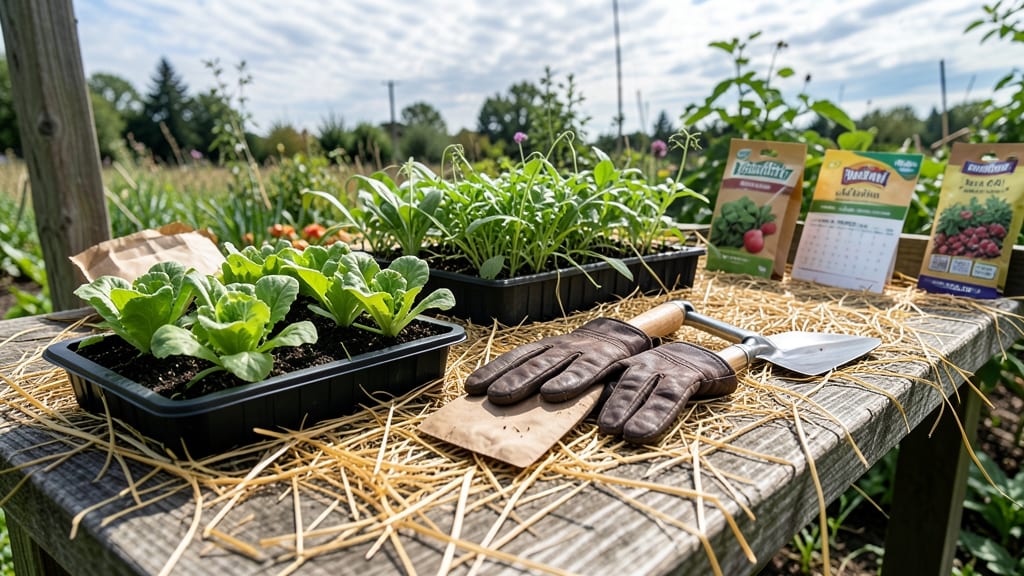
Timing when to plant a garden in Washington State wrong can mean the difference between a bountiful harvest and frost-kissed disappointment—especially when USDA Zones 5b-9a clash with microclimates like Puget Sound’s coastal breezes or the Columbia Basin’s intense heat.
Whether you’re a first-time gardener or a seasoned green thumb, planting General Garden Vegetables 🌱 at the wrong time can leave your plants struggling or worse.
I’ve spent years tracking Washington’s frost-free windows, and what I’ve learned is that one size doesn’t fit all. Western WA’s milder climate (Zones 7b-9a) lets you start earlier than Eastern WA’s colder zones (5b-7a), where a late frost in May can wipe out tender seedlings.
The key? Knowing your last frost dates—whether it’s mid-April in the mountains or June in the valleys—and adjusting your planting schedule accordingly.
In this guide, I’ll break down the exact planting windows for your zone, from cool-season greens to heat-loving tomatoes, so you can avoid common mistakes like planting warm crops too soon.
You’ll also discover how to extend your growing season with row covers, choose fast-maturing varieties, and use WSU’s AgWeatherNet data to stay ahead of frost risks. Let’s get those seeds in the ground at the perfect time!
Ready to turn your garden dreams into reality? Whether you’re in Seattle’s Zone 8 or Spokane’s Zone 5, I’ll show you how to plant with confidence—no more guessing, just a foolproof plan for your Washington garden.
Washington State’s frost-free zones: when to plant by USDA Zone (5-8)
Washington State spans USDA Hardiness Zones 5 through 8, creating wildly different planting windows from the cool coastal regions of Zone 8 to the chilly mountain valleys of Zone 5b. Your exact last frost date determines whether your tomatoes thrive or your peas bolt in the heat.
Let’s break down the critical planting windows for each zone, including microclimate exceptions that can shift your schedule by weeks.
In Zone 5b (eastern WA mountains), gardeners face late spring frosts until May 15, while Zone 8a (San Juan Islands) enjoys frost-free conditions by March 1. This 3-month difference means your neighbor’s tomato plants might be ready to harvest while yours are still under row covers.
Understanding these zone-specific rules is the key to avoiding frost damage and maximizing your harvest.
🌱 Pro Tip: Always verify your exact last frost date using the USDA Plant Hardiness Zone Map or WSU AgWeatherNet, as urban heat islands (like Seattle’s downtown) can push zones 1-2 levels higher than rural areas just miles away.
| USDA Zone | Average Last Frost Date (Spring) | Safe Planting Window for Cool-Season Crops | Safe Planting Window for Warm-Season Crops | Microclimate Notes | Example Crops for Your Zone |
|---|---|---|---|---|---|
| 5b (Eastern WA) | May 1–15 | March 15–April 30 (under cover) | June 1–15 (after soil >60°F) | Valley low zones (e.g., Wenatchee) frost-prone until June 1 | Kale, peas, potatoes, bush beans |
| 6a (Eastern WA) | April 15–30 | March 1–April 15 | May 15–31 | Spokane urban heat islands 1 week earlier | Carrots, lettuce, tomatoes, peppers |
| 6b (Western WA) | April 1–15 | February 28–April 1 | May 1–15 | Skagit Valley frosts possible until May 10 | Spinach, radishes, cucumbers, basil |
| 7a (Western WA) | March 15–31 | February 1–March 15 | April 15–30 | Seattle urban zones 2 weeks earlier | Broccoli, zucchini, eggplant, okra |
| 7b (Coastal WA) | March 1–15 | January 15–February 28 | March 15–April 15 | San Juan Islands frosts rare after March 1 | Peppers, melons, sweet potatoes, corn |
| 8a (San Juan Islands) | February 15–March 1 | December 15–January 31 | February 15–March
How to adjust planting times for Washington’s weird microclimates (and avoid frost traps)Washington’s microclimates are famously unpredictable—what works in Zone 8 Seattle can fail in Zone 6b Wenatchee just 200 miles away. The key to success? Understanding your frost pockets, urban heat islands, and how to adjust planting times accordingly. For example, the Skagit Valley often sees frost-free conditions by March 15, while Spokane may still face frosts until May 1. Even within cities, neighborhoods can differ by 1-2 weeks in frost risk. If you’re in a valley or low-lying area, cold air pools overnight, creating dangerous frost traps. Conversely, urban heat islands (like downtown Seattle) can delay frost by 10-14 days compared to rural areas. Always check WSU AgWeatherNet for hyper-local data—it’s the gold standard for Washington gardeners. This tool provides real-time frost forecasts and soil temperature alerts, so you’re never caught off guard. For gardeners in transitional zones (like Zone 6b/7a borders), the safest strategy is to plant warm-season crops (tomatoes, peppers) only after May 15 and use row covers for extra protection. In high-risk areas, opt for fast-maturing varieties like ‘Early Girl’ tomatoes (55 days to harvest) or ‘Bush Blue Lake’ beans (50 days). These give you a buffer if frost sneaks in unexpectedly. 🚨 ⚠️ Common Mistakes & How to Avoid Them
Risk: Planting warm-season crops (tomatoes, peppers) before May 15 in Zone 6b
Consequence: Frost damage within 2 weeks of transplanting
Solution: Start seeds indoors 6–8 weeks early or wait for soil temps >60°F
Risk: Assuming coastal zones (Zone 8) have the same frost dates as inland (Zone 7)
Consequence: Late-spring frosts in April (e.g., San Juan Islands)
Solution: Use local WSU AgWeatherNet data for precise forecasts
Another trick? Extend your growing season with season extenders like cold frames or low tunnels. These can push your last frost date back by 4-6 weeks in early spring or delay the first frost in fall. For example, in Zone 5 Eastern WA, a cold frame might let you grow spinach or kale until November 1 instead of October 15. Just ensure proper ventilation to avoid overheating during the day. If you’re unsure about your microclimate, test your garden’s frost risk with a simple experiment: Place a frost-sensitive plant (like basil or geraniums) in your garden in early spring. If it survives overnight temps below 32°F, you’re likely in a warmer microclimate than the general zone suggests. Conversely, if it dies, you may need to delay planting or use frost cloth for protection. Finally, adjust your planting schedule based on your garden’s exposure. South-facing slopes warm up faster and are safer for early planting, while north-facing areas stay colder longer. In high-elevation areas (like the Cascade foothills), plant 2-3 weeks later than your zone’s average to avoid late frosts. With these adjustments, you’ll turn Washington’s quirky microclimates into an advantage—not a challenge. |