
Plants
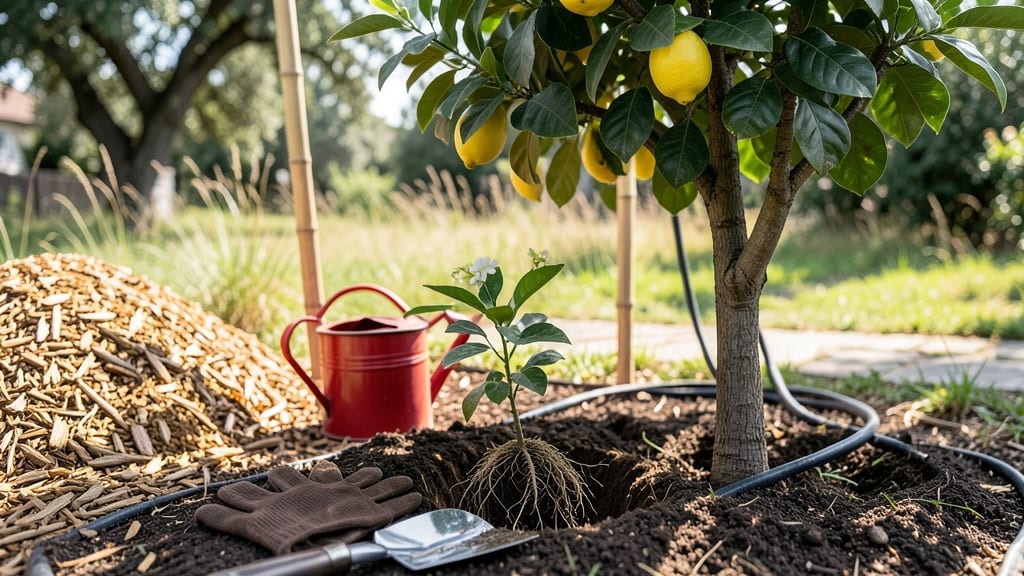
When to plant a lemon tree in the ground can make all the difference between a thriving 🍋 grove and a frost-killed sapling—so timing is everything, especially in frost-free zones like the South or coastal climates where temperatures stay mild year-round.
If you're dreaming of fresh lemons from your own tree, you'll want to avoid common mistakes like planting too early in spring or too late in fall, when unexpected cold snaps can damage young roots.
The key is understanding your local climate—whether you're in USDA Zone 6 or a warmer coastal area like Zone 10a—to choose the perfect window.
In this guide, I’ll break down the best months to plant your lemon tree based on your region, plus soil prep tips and frost protection strategies to give your tree the best start.
Whether you're a beginner or a seasoned gardener, these insights will help you avoid costly mistakes and set your tree up for success.
Ready to grow your own citrus? Let’s dive into the optimal planting schedule so you can enjoy homegrown lemons year after year—without the guesswork.
Optimal planting windows for lemon trees by USDA zones (southern vs. coastal)
Timing your lemon tree planting is critical—citrus trees thrive in warmth and consistent moisture, but they’re frost-sensitive. In the South and coastal climates, where frost-free zones dominate, your planting window hinges on USDA zones and microclimates.
For example, in Zone 9b (Phoenix), you can plant year-round, while Zone 6 (Chicago) demands precise timing to avoid winter kill.
Lemon trees prefer spring or fall planting, but the exact months vary.
Spring planting (after last frost) gives roots time to establish before summer heat, while fall planting (6-8 weeks before first frost) avoids winter dormancy stress. Coastal areas with mild winters (like Zone 10a in California) offer longer windows, but even there, avoid summer planting when roots struggle to adapt.
Here’s how to match your USDA zone to the best planting window, including adjustments for container vs. in-ground planting and microclimates like urban heat islands or coastal humidity:
In coastal climates, like Zone 10a in Southern California, humidity and mild winters create ideal conditions for year-round planting. However, avoid summer planting—the combination of heat stress and high humidity can stunt root growth.
Instead, opt for fall or early spring to give roots time to establish before summer’s intensity.
For container planting, flexibility increases—you can plant almost anytime in Zones 8-10, but spring is still best for in-ground trees. Containers dry out faster, so ensure well-draining soil and regular watering to prevent root rot. In <
Optimal planting windows for lemon trees by USDA zones (southern vs. coastal)
Choosing the right time to plant a lemon tree depends entirely on your USDA hardiness zone and local climate. In frost-free zones like Zone 10a (e.g., coastal California), you can plant year-round—but in cooler areas like Zone 6, timing is critical to avoid frost damage.
The best windows are spring (after last frost) or early fall (6-8 weeks before first frost).
For example, in Zone 9b (Phoenix), I plant my Meyer lemons in February or October to avoid summer heat stress. Meanwhile, in Zone 6 (Chicago suburbs), I wait until late May to ensure no late frosts zap young roots.
Coastal areas with mild winters (like Zone 10a) offer more flexibility, but even there, spring planting gives trees a head start before summer.
🌱
If you’re in a transition zone (e.g., Zone 8), I recommend testing soil temperature—plant when it’s consistently above 60°F. For containers, you can plant 2-4 weeks earlier than in-ground, as pots warm faster.
Just ensure your container has drainage holes to prevent root rot, a common killer of lemon trees in humid climates.
Another pro tip: If you’re in a coastal area with high humidity, like Zone 10a in Florida, space your trees 10-15 feet apart to improve airflow and reduce fungal diseases.
In drier climates (e.g., Zone 9b in Arizona), you can plant closer together (6-8 feet) and rely on deep watering to support growth.
💧
Finally, always check your local frost dates—tools like the National Oceanic and Atmospheric Administration (NOAA) website provide free frost calendars. For example, in Zone 7a (Atlanta), the last frost date is March 15, so I plant my lemon trees in late April to be safe.
By following these zone-specific guidelines, you’ll give your lemon tree the best chance to thrive—and start harvesting in 2-3 years!