
Planting
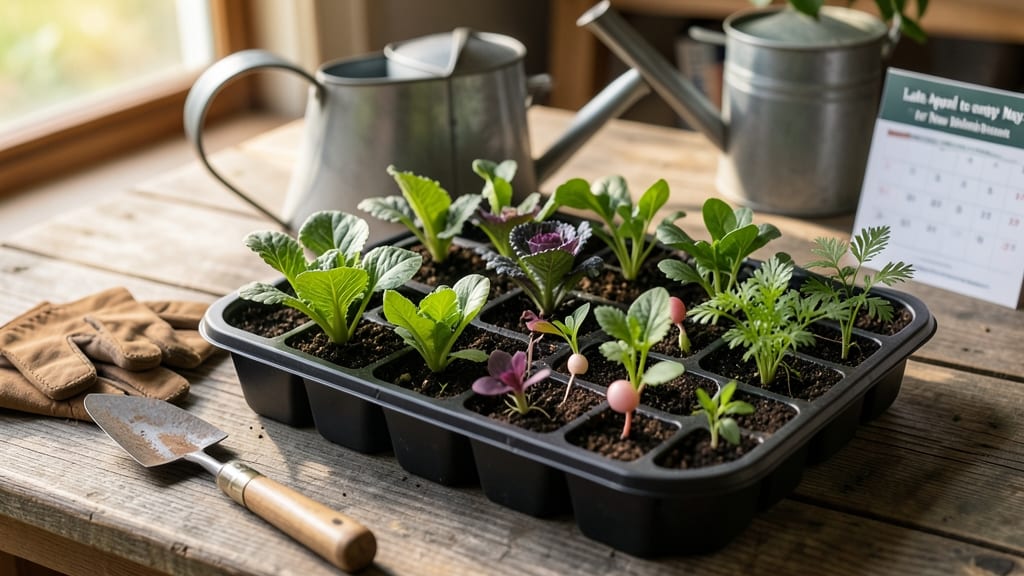
Timing when to plant a vegetable garden in New Brunswick isn’t just about following a calendar—it’s about outsmarting frost, heat waves, and microclimates that can turn your dreams of fresh tomatoes into a 5b zone gamble.
Whether you're in Saint John’s coastal warmth or Fredericton’s cooler inland valleys, planting at the wrong time means risking wilted dreams before the first harvest even ripens.
I’ve spent years tracking local frost dates and talking to gardeners who’ve lost (and won) battles with Mother Nature’s unpredictable schedule. The key?
Knowing when to start seeds indoors, when to transplant tender seedlings, and how to stretch your growing season with simple tricks that work even in New Brunswick’s 165 frost-free days. Skip the guesswork and plant with confidence.
In this guide, I’ll break down the exact weeks to plant everything from early spring peas to late-summer peppers, tailored to your specific corner of the province.
We’ll cover how to prep your soil, when to shield young plants from late frosts, and which crops thrive in New Brunswick’s short but sweet growing windows. Ready to turn your garden into a year-round harvest machine?
No more second-guessing—just a clear roadmap to planting your 🥬 vegetable garden at the perfect moment, whether you’re a coastal gardener or tucked away in the Miramichi hills. Let’s get those seeds in the ground when they’ll actually grow!
New Brunswick’s planting zones: when to start seeds and transplant by region
New Brunswick’s diverse microclimates mean your planting timeline should depend on whether you’re in coastal Saint John, Fredericton’s inland region, or Miramichi’s cooler highlands. Coastal areas like Moncton enjoy 2-3 weeks earlier frost-free dates than inland zones, while Miramichi’s shorter growing season demands earlier starts.
Understanding these zones helps you avoid late spring frosts that can devastate tender seedlings.
For warm-season crops like tomatoes, peppers, and squash, timing is critical. These plants need consistent warmth and will fail if transplanted too early. In Zone 5b (New Brunswick’s dominant zone), aim to transplant after May 15 in coastal areas and June 1 inland.
Meanwhile, cool-season crops like kale, spinach, and peas can handle early spring or late fall plantings.
Here’s how New Brunswick’s key regions compare for seed-starting indoors and transplanting outdoors, including last frost dates and ideal transplant windows:
| Region | Last Frost Date | Start Seeds Indoors | Transplant Outdoors | Warm-Season Window |
|---|---|---|---|---|
| Coastal (Saint John, Moncton) | April 25 - May 5 | March 15 - April 1 | May 10 - May 25 | June 1 - July 15 |
| Fredericton (Inland) | May 10 - May 20 | March 20 - April 10 | May 25 - June 5 | June 15 - July 30 |
| Miramichi (Highlands) | May 15 - May 30 | March 25 - April 15 | June 1 - June 15 | July 1 - August 10 |
If you’re in Saint John or Moncton, you can start tomato and pepper seeds indoors as early as mid-March for a head start. Inland areas like Fredericton should wait until late March to avoid seedling damping-off from cold, wet soil.
For Miramichi, prioritize fast-maturing varieties and extend your season with row covers.
For cool-season crops, the rules flip. Plant spinach, peas, and lettuce as soon as the soil is workable—often by late March or early April in coastal zones.
Inland, wait until mid-April to avoid soil frost. These crops can even tolerate light frosts, making them ideal for early spring or fall harvests.
Pro tip: Use Environment Canada’s frost forecasts to fine-tune your timing. Sign up for local weather alerts to get real-time warnings about unexpected late frosts. Even a single night below 28°F (-2°C) can kill tender seedlings like cucumbers or eggplants.
Another key factor is soil temperature. Most vegetables need soil at 50°F (10°C) to germinate. Use a soil thermometer to check—cooler inland soils may need black plastic mulch to warm up faster.
In coastal areas, soil warms earlier, so you can plant radishes and peas by late March.
For fall planting, aim to sow warm-season crops like beans and squash by mid-July in coastal zones or early August inland.
These plants need 8-10 weeks of growth before the first frost, which typically hits mid-October. Kale and Brussels sprouts, however, thrive in cooler fall weather and can be planted until early September.
Remember: Succession planting is your best friend in New Brunswick’s short season. Instead of planting all your lettuce or carrots at once, stagger plantings every 2 weeks to ensure a continuous harvest from spring through fall.
Microclimate-specific planting calendar: weeks to avoid frost for 20+ common vegetables
New Brunswick’s 165 frost-free days demand precision—planting your 🥬 vegetable garden at the wrong week can turn your hard work into a sad, wilted mess. I’ve compiled a week-by-week guide tailored to the province’s microclimates, so you can avoid late frosts and maximize your harvest.
Whether you’re in Saint John’s coastal warmth or Fredericton’s cooler inland valleys, these timelines ensure your plants thrive.
For coastal areas (like Saint John), you can push planting dates 1-2 weeks earlier than inland regions. Inland areas (like Miramichi) should wait until after the last frost date—typically May 15-20—to transplant warm-season crops.
This calendar covers everything from cold-hardy peas to heat-loving tomatoes, with adjustments for early, mid, and late varieties.
🌱 New Brunswick Planting Calendar by Crop
| Vegetable | Coastal (Saint John) | Inland (Fredericton) | Notes |
|---|---|---|---|
| Peas | Early April | Mid-April | Cold-hardy; sow directly |
| Potatoes | Mid-April | Late April | Plant when soil reaches 45°F (7°C) |
| Lettuce | Late April | Early May | Successive plantings every 2 weeks |
| Tomatoes | Late May | Early June | Transplant after frost risk passes |
| Beans | Early June | Mid-June | Wait until soil is warm (60°F+) |
| Kale | Early April or August | Mid-April or Late July | Cold-hardy; great for fall harvest |
| Peppers | Late May (start indoors) | Early June (transplant) | Needs warm soil (70°F+) |
| Carrots | Late April | Early May | Sow directly; thin seedlings |
| Squash | Late May | Early June | Transplant after frost risk |
Pro tip: Use row covers to extend your planting window by 2-3 weeks for heat-loving crops like tomatoes and peppers. I’ve seen gardeners in Miramichi push their tomato harvests until October 1 using this trick—just remove covers when flowers appear to prevent heat stress.
For fall planting, aim to sow seeds 8-10 weeks before your first frost (typically July 15-August 15). Cool-season crops like spinach and radishes thrive in these shorter days, while warm-season crops like bush beans can still produce if planted early enough.
Monitor Environment Canada alerts for real-time frost updates—it’s saved my garden more times than I can count!
Don’t forget: Succession planting is your secret weapon. Instead of planting all your lettuce at once, sow small batches every 2 weeks to ensure a steady harvest. This works especially well for leafy greens and radishes, which bolt (go to seed) quickly in New Brunswick’s heat.