
Planting
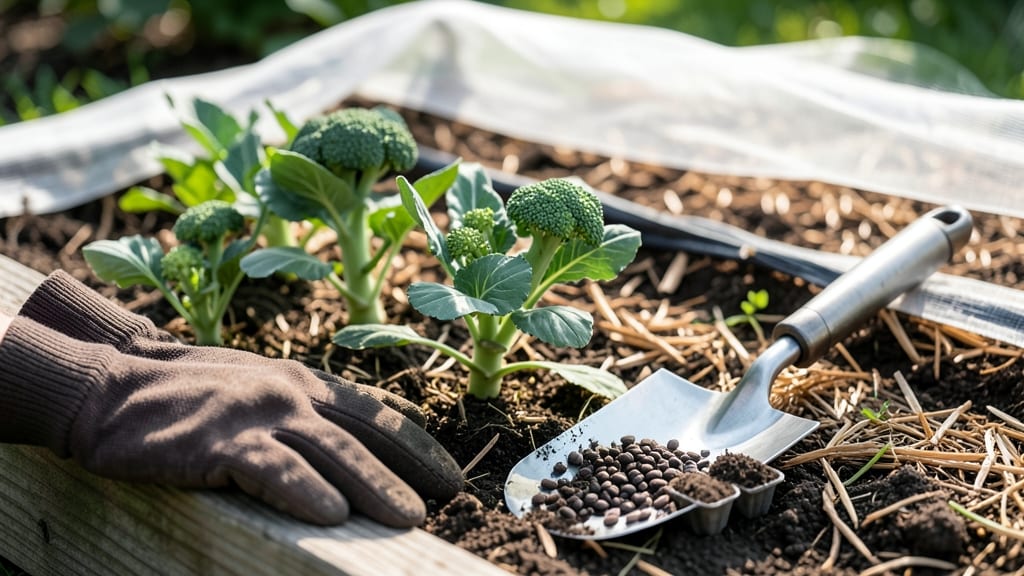
Timing when to plant a winter garden in Florida isn’t just about avoiding frost—it’s about beating the heat while giving your crops the perfect start. Florida’s frost-free winters mean you’ve got a 365-day growing window, but planting too early can leave your 🥬 vulnerable to summer’s lingering warmth.
Most gardeners think winter planting means waiting until December, but the real magic happens in September and October. This is when soil temperatures drop just enough for cool-season crops to thrive without the stress of summer’s intensity.
Skip this window, and you might end up with bolting greens or stunted roots.
I’ve tested these strategies across Florida’s 9a-11 zones, and the difference between a bountiful harvest and a struggle is often just a matter of weeks.
Whether you’re sowing leafy greens or root vegetables, knowing the exact planting window can mean the difference between a garden that thrives and one that fizzles.
Let’s break down the science-backed schedule so you can plant with confidence—and avoid the common mistakes that waste time, money, and effort. Ready to grow a winter garden that actually pays off?
Best planting windows for Florida’s winter garden by month
Florida’s winter garden thrives when you align planting with monthly temperature shifts and USDA Zones 8a–11. Unlike northern climates, Florida’s frost-free winters mean no hard deadlines—but timing still matters to avoid heat stress or pest surges.
Start warm-season crops in August and transition to cool-season plants by October for peak harvests.
North Florida (Zones 8a–9a) has slightly cooler winters, while South Florida (Zones 10a–11) can grow year-round. Use this guide to match crops to your microclimate. For example, broccoli and kale love North Florida’s cooler November–January temps, while sweet potatoes and okra thrive in South Florida’s warm December–February soil.
🌱
| Month | Planting Window | Key Crops | Soil Temp Goal | Notes |
|---|---|---|---|---|
| August | Direct sow or transplant | Sweet potatoes, okra, black-eyed peas | 70–80°F | Prep for fall; avoid late-August heat. |
| September | Start cool-season crops | Lettuce, spinach, carrots, broccoli | 65–75°F | Ideal for leafy greens; mulch to retain moisture. |
| October | Peak planting month | Cabbage, kale, radishes, peas | 60–70°F | North FL: Protect with row covers if temps drop. |
| November | Transplant or direct sow | Brussels sprouts, turnips, collards | 55–65°F | South FL: Winter veggies thrive; North FL: Use cold frames. |
| December–February | Maintenance & succession | Green onions, arugula, Swiss chard | 50–60°F | Harvest fast growers; plan spring crops. |
Missed the October–November window? Don’t panic! South Florida gardeners can plant heat-tolerant greens like Malabar spinach or cowpeas year-round. For North Florida, January–February is your last chance for spring greens before summer heat sets in.
Pro tip: Use a soil thermometer to confirm temps before planting. Cool-season crops like broccoli need soil at 55–65°F, while okra and sweet potatoes prefer 70–80°F. Florida’s sandy soil warms quickly—amend with compost to retain moisture and nutrients.
🌡️
For container gardening, start seeds indoors in August for a head start. Transplant seedlings into pots or raised beds by September to avoid transplant shock from Florida’s late-summer heat. Choose dwarf varieties like bush beans or mini cabbage for smaller spaces.
Watch for hurricane season (June–November). If a storm is forecast, prioritize harvesting fast-maturing crops like radishes or bok choy before securing your garden. Mulch heavily to protect soil from erosion and retain moisture post
Best planting windows for Florida’s winter garden by month
Florida’s frost-free winters mean you can grow a winter garden year-round, but the key is planting at the right time to avoid summer heat stress. Unlike northern states, your goal isn’t frost protection—it’s beating residual summer warmth while giving cool-season crops the perfect start.
I’ve planted winter gardens across Florida’s 9a-11 zones, and the difference between a thriving harvest and a struggle often comes down to these monthly windows.
Most gardeners assume winter planting starts in December, but the real magic happens in September and October. This is when soil temperatures drop just enough for cool-season crops to thrive without the stress of summer’s lingering heat.
Plant too early (August), and your greens will bolt; too late (November), and pests like aphids or whiteflies may take over. Let’s break down the optimal planting schedule by month to maximize your winter harvest.
🌱 Did You Know?
Here’s your month-by-month planting guide for Florida’s winter garden, tailored to avoid heat stress and pests while aligning with soil temperature shifts:
If you’re in North Florida (Zones 8a–9a), aim for earlier planting (late August–early September) to escape summer heat. In South Florida (Zones 10a–11), you can plant through October with shade cloth or afternoon shade.
The key is monitoring soil temperature—use a soil thermometer to confirm it’s dropped to the ideal range before planting.
Pro tip: Mulch heavily in September to cool the soil faster and retain moisture. I’ve seen gardens in Orlando and Tallahassee thrive with a 3-inch layer of straw or wood chips, which can drop soil temps by 10–15°F in just days.
Pair this with drip irrigation to avoid overhead watering, which can spread fungal diseases in Florida’s humid winters.
Remember, Florida’s winter garden isn’t about frost—it’s about temperature management. Plant at the right time, and you’ll enjoy fresh greens from November through April