
Plants
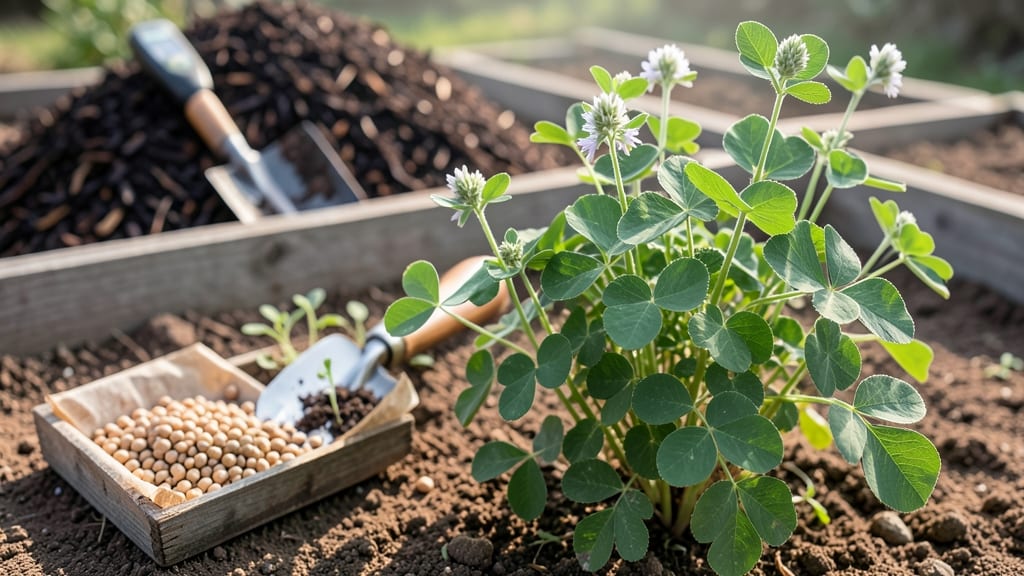
Timing your alfalfa planting in Alabama could mean the difference between a thriving 🌱 forage crop and wasted seeds. With the state's 7a-8b zones and unpredictable weather, knowing when to plant is the key to maximizing yield and avoiding common pitfalls.
Most Alabama farmers swear by early spring planting—right after the last frost in March—when soil temperatures hit that sweet spot of 50°F. But late summer options in August can also work, especially in warmer southern regions where frost threats diminish.
The challenge? Balancing soil warmth with rainfall patterns to give your alfalfa the best possible start.
I've seen firsthand how a few weeks off can turn a promising field into a struggle. That's why I'm breaking down the exact frost-free deadlines by county, plus pro tips to stretch your planting window when Mother Nature throws curveballs.
Whether you're a seasoned farmer or just starting with alfalfa, these insights will help you plan with confidence.
From soil prep to early care, we'll cover everything you need to know to establish your crop strong. Let's get your alfalfa off to the right start—because in Alabama's climate, timing isn't just important, it's everything.
Alabama’s frost-free planting zones for alfalfa: exact deadlines by county
Alabama’s USDA Hardiness Zones 7a-8b create a unique challenge for alfalfa growers—some regions like Mobile County enjoy 240 frost-free days, while Madison County in the north faces 180 days. These differences mean your planting deadline could shift by 3-4 weeks depending on where you live.
To maximize your alfalfa yield, timing your seeds to germinate after the last frost and before summer heat stress is critical.
For most of Alabama, the ideal planting window falls between mid-March and mid-April for spring plantings. However, in Zone 8b (southern Alabama), you can push this to late February if soil temperatures stay above 50°F (10°C).
Fall plantings are riskier but possible in late August to early September—we’ll cover this in detail later. Let’s break down the exact frost-free dates by region so you can pinpoint your perfect planting window.
🌱
| Region | USDA Zone | Last Frost Date | Ideal Planting Window | Notes |
|---|---|---|---|---|
| North Alabama (Madison, Marshall, Jackson) | 7a | Mid-April | Late April to early May | Wait for soil to warm to 55°F (13°C) |
| Central Alabama (Jefferson, Shelby, Tuscaloosa) | 7b-8a | Early April | Mid-March to late April | Best success with early March plantings |
| South Alabama (Mobile, Baldwin, Escambia) | 8a-8b | Late March | Late February to mid-April | Can plant as early as February if soil is warm |
| East Alabama (Calhoun, Etowah, Cherokee) | 7b | Early April | Late March to early April | Monitor for late frosts in valleys |
| West Alabama (Limestone, Walker, Lauderdale) | 7b-8a | Early April | Mid-March to late April | Drought-prone; water deeply after planting |
If you’re in Zone 7a (like Madison County), don’t rush to plant in March—alfalfa seeds need soil temperatures above 50°F (10°C) to germinate properly. Use a soil thermometer to confirm before sowing.
In Zone 8b, you’ve got more flexibility, but watch for unpredictable late frosts that can wipe out young seedlings. I’ve seen this happen in Mobile County as late as mid-April, so always have a row cover ready.
For maximum yield, aim to have your alfalfa establish 4-6 weeks before summer heat sets in. This means if you’re in central Alabama, your last planting deadline is mid-April.
Any later, and you risk heat stress during germination. I recommend marking your calendar with your local frost-free date and counting back 4-6 weeks—this gives you your safe planting window.
One pro tip I’ve learned from Alabama farmers: if you’re planting in late April, mix alfalfa seeds with a cover crop like clover to protect the soil and improve moisture retention.
This is especially helpful in drought-prone areas like west Alabama, where summer rainfall can be unreliable. The cover crop will also suppress weeds while your alfalfa gets established.
🌿
Let’s talk about soil preparation, because even the best timing won’t help if your soil isn’t ready. Alfalfa thrives in well-draining, slightly acidic soil (pH 6.5-7.0). Before planting, test your soil and amend it with compost or aged manure to improve fertility.
In Alabama’s clay-heavy soils (common in the Black Belt region), I recommend adding sand or perlite to prevent compaction. Once your soil is prepped, you’re ready to sow seeds ½ inch deep, spacing them ¼ inch apart in rows 18 inches apart.
After planting, maintain consistent moisture—alfalfa seedlings are highly sensitive to drought. Water lightly but frequently until germination (about 7-14 days), then transition to deep, infrequent watering once plants are established.
In south Alabama, where summer rains are plentiful, you’ll need to monitor for overwatering, which can lead to root rot. A drip irrigation system is my go-to for precise watering in these conditions.
Finally, remember that alfalfa is a perennial, meaning it will come back year after year if managed properly. Your first harvest won’t
Spring vs. fall planting: which strategy works best for Alabama’s climate?
Alabama’s warm, humid climate gives you two prime windows for planting alfalfa: early spring and late summer. But which one delivers the best yield? Let’s break down the pros and cons of each strategy to help you decide based on your location and goals.
Spring planting (early March to mid-April) aligns with Alabama’s natural growing season. The soil warms quickly, and alfalfa seeds germinate faster when temperatures stay above 50°F (10°C). This method is ideal for gardeners in northern Alabama (Zones 7a-7b), where late frosts can still threaten tender seedlings.
Fall planting (late August to early October) takes advantage of cooler temperatures and reduced drought stress as summer heat fades. It’s a smarter choice for southern Alabama (Zones 8a-8b), where summers are intense, and fall rains can give young plants a head start before winter dormancy.
Spring Planting
Fall Planting
For maximum yield, I recommend spring planting in northern Alabama (e.g., Huntsville, Birmingham) and fall planting in southern Alabama (e.g., Mobile, Dothan). If you’re unsure, test your soil temperature with a thermometer—alfalfa seeds need 50°F+ (10°C+) to sprout reliably.
Regardless of timing, always prepare your soil with compost and a balanced fertilizer (10-20-10) before planting. This ensures your alfalfa gets the nutrients it needs to establish strong roots and resist Alabama’s humidity and pests.
🌱