
Plants
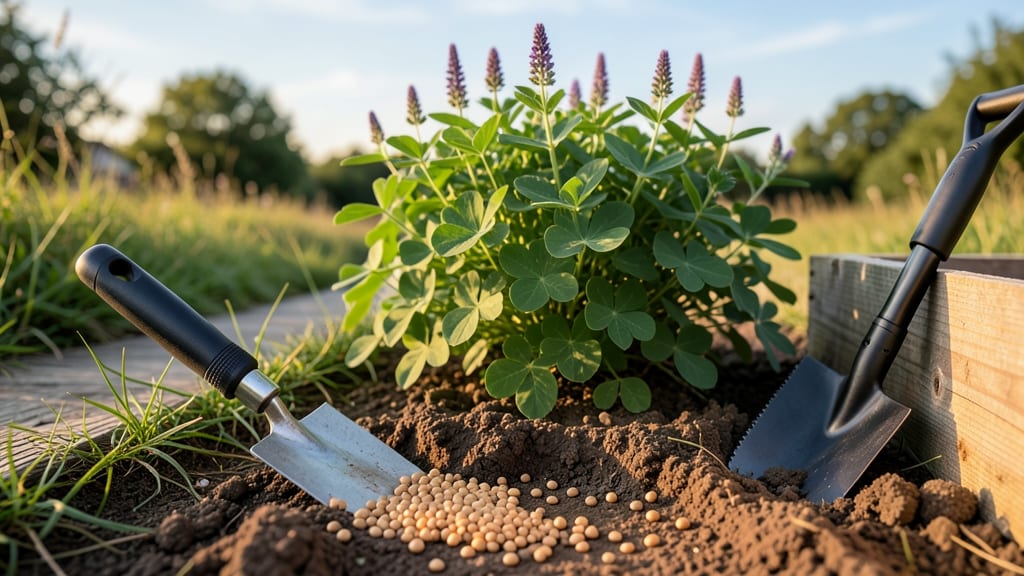
Timing your alfalfa planting in Indiana isn’t just about picking a month—it’s about beating frost, warming soil, and setting up your 🌱 alfalfa for a strong second-year harvest.
With USDA Zone 6a’s unpredictable swings from 30°F freezes to 80°F heatwaves, one wrong move can turn your seed investment into a sad, stunted mess.
Most Indiana growers swear by early spring planting (March–April), but soil temperature is the real game-changer. Cold soil below 50°F? Your seeds will rot before they sprout. Meanwhile, late summer (August) offers a backup window—if you’re willing to gamble on summer storms and shorter daylight.
Here’s the secret: Your local frost-free window (typically April 15–May 15) is just the starting line. We’ll break down how to read soil temps, adjust for Indiana’s north-south climate divides, and avoid the 5 biggest planting mistakes that ruin yields before they begin.
Ready to plant with confidence? Let’s cut through the guesswork and get your alfalfa off to a fast, healthy start—no more wasted seed packets or frost-bitten dreams.
Optimal planting dates for alfalfa in Indiana based on soil temperature
Alfalfa thrives in Indiana’s climate when planted at the right soil temperature—typically between 50–55°F. This window ensures strong germination and avoids frost damage. Northern Indiana (USDA Zone 5b) has a shorter growing season, while Southern Indiana (Zone 6b) offers more flexibility.
Always check your local last frost date (April 15 in the north to May 1 in the south) before planting.
For spring planting, aim for early March to mid-April when soil warms consistently. Late summer (August) is another viable option if you’re establishing a new field, but avoid planting after September 1—alfalfa needs time to establish roots before winter.
Use a soil thermometer to confirm readiness; planting too early in cold soil risks poor germination.
Here’s how Indiana’s regions differ:
| Region | USDA Zone | Ideal Planting Window | Soil Temp Threshold | Last Frost Date |
|---|---|---|---|---|
| Northern Indiana | 5b | Early April–Mid-May | 50–55°F | April 15 |
| Central Indiana | 6a | Late March–Early May | 50–55°F | April 22 |
| Southern Indiana | 6b | Mid-March–Late April | 50–55°F | May 1 |
If you’re planting in late summer, focus on August before temperatures drop below 70°F at night. This method is riskier in Northern Indiana due to shorter daylight hours, but it can work if you use row covers to extend warmth.
Always test soil moisture—alfalfa seeds need consistent dampness to sprout.
Pro tip: Direct-seed alfalfa in prepared beds with a seed drill for even spacing. Avoid transplanting seedlings, as alfalfa has a delicate root system. Inoculate seeds with Rhizobium bacteria to boost nitrogen fixation, especially in new fields where beneficial microbes may be lacking.
Monitor weather forecasts for 5–7 days before planting. A sudden cold snap can delay germination by weeks. In my experience, Northern Indiana growers often wait until mid-April to avoid frost, while Southern Indiana farmers can start as early as late March with proper soil warming.
For organic growers, consider cover cropping with clover the prior year to improve soil structure and fertility. Alfalfa prefers well-drained, slightly alkaline soil (pH 6.5–7.5). Test your soil in fall to adjust lime or compost as needed before planting.
Remember: Patience is key. Alfalfa’s first year focuses on root development, not harvest. Rushing planting dates for a quick yield often backfires. Aim for strong establishment in year one to ensure high-quality forage in years two and three.
How to calculate your local frost-free window for alfalfa success
Indiana’s frost-free window is your golden ticket for alfalfa success—but it’s not as simple as waiting until May 1. The official last frost date (April 15) is just a starting point.
Northern Indiana (Zones 5b–6a) often sees late frosts into May 10, while southern Indiana (Zone 6b) can be frost-free by April 20. Microclimates near lakes or urban areas add another layer of complexity.
To pinpoint your exact window, start with the USDA Plant Hardiness Zone Map. Indiana spans Zones 5b through 6b, but elevation and proximity to water bodies shift frost dates by 1–2 weeks.
For example, Gary (Zone 6a) averages a frost-free window of 165 days, while South Bend (Zone 5b) gets just 150 days. Use the Indiana State Climate Office’s frost history tool to refine your estimate.
Next, adjust for your local microclimate. Areas near Lake Michigan or the Wabash River stay warmer longer, while inland valleys can trap cold air. If you’re in a frost pocket, add 7–10 extra days to the average frost-free date.
For instance, if the map says May 1, plant no earlier than May 15 in a cold sink.
⚠️ Frost Risk Warning
Never plant alfalfa when nighttime temps dip below 45°F. Seeds won’t germinate, and young seedlings will crisp in a single freeze. Use a soil thermometer to confirm temps are stable above 50°F for at least 5 consecutive days before sowing.
Pro Tip: If frost threatens after planting, cover seedlings with black plastic mulch or row covers to raise soil temps by 5–10°F.
For a backup plan, consider late-summer planting (August). This window works if your soil stays above 60°F and you’re in Zone 6b or warmer.
However, alfalfa planted this late may not fully establish before first frost (October 15), so it’s best for small test plots or areas with extended heat.
Extend your frost-free window with season-extending tools. Low tunnels or hoop houses can add 2–4 weeks to your growing season, while black plastic mulch warms soil by 10°F in just 24 hours. If you’re in northern Indiana, these tricks are essential for beating the clock.
Track your progress with a frost risk calculator. Note the date of your last frost for 3 consecutive years, then average them. For example, if your frosts occurred on May 5, April 28, and May 10, your safe planting date is May 15.
Planting alfalfa 10–14 days after this average minimizes frost risk while maximizing the 165-day growing window.