
Plants
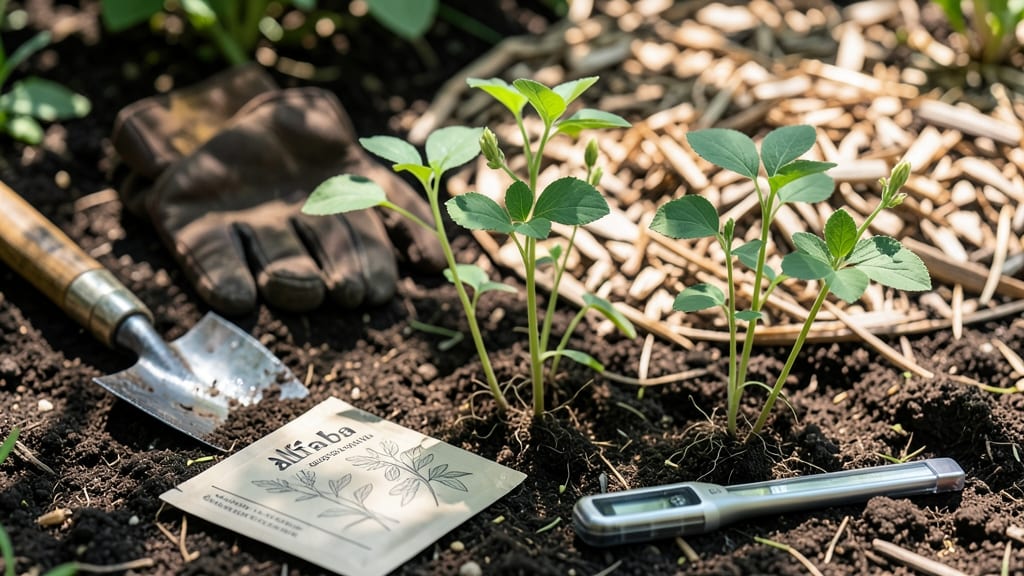
If you're wondering when to plant alfalfa in Texas, timing is everything—get it wrong, and you’ll battle stunted growth or wasted seeds. Texas gardeners know alfalfa 🌱 thrives here, but only if planted at the right moment to beat the heat or avoid frost.
The key is planting in late winter to early spring (February–March) or fall (September–October), when soil temps are perfect for germination. Skip summer, and the brutal heat will fry your seeds before they sprout.
I’ll break down the exact deadlines for your Texas zone—whether you’re in frost-prone North Texas or balmy South Texas—so you can plant with confidence. No more guessing games, just a foolproof schedule for maximum yield.
Ready to grow lush, drought-resistant alfalfa? Let’s dive into the best planting windows and pro tips to keep your crop thriving all season long.
Texas alfalfa planting deadlines by zone: spring vs fall timing
Texas spans USDA zones 8a-10b, meaning your alfalfa planting deadlines depend heavily on where you live. In North Texas (8a-9a), frost can still threaten seedlings, while South Texas (9b-10b) rarely sees frost—just brutal summer heat.
I’ll break down the exact windows for both seasons so you avoid wasted seeds and maximize growth.
For spring planting, aim for February 15–March 15 in North Texas and March 1–March 31 in Central/South Texas. These dates align with soil temperatures of 50–60°F, ideal for germination. Fall planting should happen September 1–October 15 across all zones to establish roots before winter.
Here’s the critical rule: Never plant alfalfa when soil temps exceed 85°F—it’ll cook your seeds. Texas summers are notorious for this, so stick to the cooler months. I’ve included a zone-specific planting chart below to simplify your planning.
Pro tip: Use a soil thermometer to confirm temps before planting. Alfalfa seeds need consistent moisture to germinate, so water lightly daily until sprouts appear (about 7–14 days).
In North Texas (zones 8a-9a), the last frost typically occurs around February 15, but wait until March 1 to plant for safety. The first frost arrives December 1–December 15, so fall planting must finish by October 15 to avoid winter kill.
For Central Texas (zones 9a-9b), the frost window is shorter: last frost February 1–February 15, first frost November 15–December 1. Plant in February–March or September–October for best results. The heat tolerance here is higher, but seeds still struggle above 85°F.
| Texas Zone | Spring Planting Window | Fall Planting Window | Soil Temp Range (°F) | Key Consideration |
|---|---|---|---|---|
| North (8a-9a) | March 1–March 15 | September 15–October 15 | 50–60°F | Frost risk; use row covers |
| Central (9a-9b) | February 15–March 15 | September 1–October 1 | 55–65°F | Moderate heat; monitor soil moisture |
| South (9b-10b) | March 1–March 31 | August 15–September 15 | 60–70°F | No frost; avoid summer heat |
In South Texas (zones 9b-10b), frost is rare, but the real enemy is summer heat. Plant in March or August–September to avoid temps above 90°F.
The longer growing season here means you can push fall planting later, but seeds planted after September 15 may struggle to establish before winter rains.
Remember: Alfalfa is a perennial, but it thrives best with two strong planting seasons. Spring gives you a head start for summer harvests, while fall establishes roots for next year’s growth. I recommend planting both seasons if possible—it doubles your yield potential!
One last tip: If you’re in a drought-prone area, prioritize fall planting. Established alfalfa roots access water deeper, making it more resilient to Texas dry spells. Mulch heavily after planting to retain moisture and keep soil temps stable.
Now that you’ve got your zone-specific deadlines, let’s tackle the next challenge: adjusting for Texas’ unpredictable weather extremes. Stay tuned for pro tips on beating drought, heat spikes, and soil salinity in the next section.
Texas alfalfa planting deadlines by zone: spring vs fall timing
Texas stretches across USDA Zones 8a–10b, meaning your alfalfa planting window shifts dramatically from North Texas to the Rio Grande Valley.
In cooler North Texas (Zones 8a–8b), aim for late February to early March in spring, while South Texas (Zones 9a–10b) can plant as late as April—just before summer’s brutal heat sets in.
Fall planting is trickier: North Texas must finish by mid-October to avoid early frost, while South Texas can extend until November 15. The goal? Seedlings need 60–90 days to establish roots before winter dormancy kicks in.
Soil temperature is your best guide—alfalfa seeds need 50–60°F to germinate. Use a soil thermometer to confirm readiness, especially in Central Texas, where erratic weather can throw off timelines.
| Texas Zone | Spring Planting Window | Fall Planting Window | Key Consideration |
|---|---|---|---|
| North (8a–8b) | Feb 20–Mar 15 | Sep 1–Oct 15 | Last frost: Feb 15 |
| Central (8c–9a) | Mar 1–Apr 1 | Sep 15–Nov 1 | First frost: Nov 15 |
| South (9b–10b) | Mar 15–Apr 15 | Sep 1–Nov 15 | No frost risk |
Miss these windows, and you’ll face two major risks: seed rot from summer heat or frost damage if planted too late in fall. For example, in Dallas (Zone 8a), planting after March 15 means seeds may not survive the 95°F+ soil temps by May.
Pro tip: In East Texas, where humidity spikes in summer, opt for fall planting—it reduces fungal diseases like leaf spot, which thrive in the heat and moisture.
Always check your local AgriLife Extension reports for 2024’s first frost dates, as climate shifts can delay them by weeks. For instance, Lubbock (Zone 8b) saw its first frost push back to November 10 in 2023—plant accordingly.
Ready to lock in your alfalfa schedule? Grab a soil thermometer and mark your calendar—timing is your secret weapon for bountiful, drought-resistant yields all season long. 🌱