
Plants
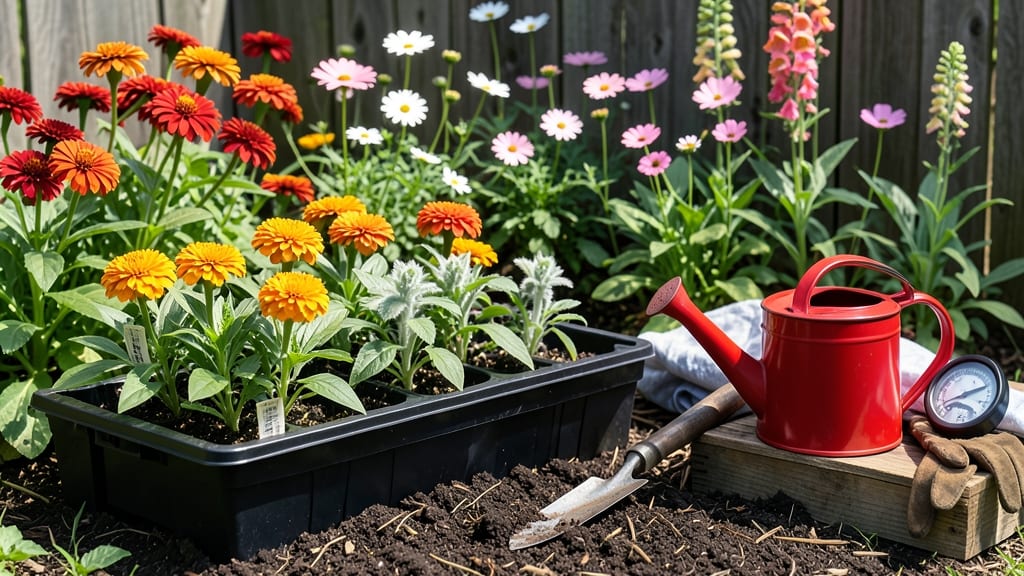
Timing your annuals planting in Pennsylvania wrong could mean the difference between a vibrant garden and a sad, frost-killed mess. With the state’s 6a zone bringing unpredictable frost dates, knowing the exact window is everything—especially when your 🌸 petunias or sunflowers are counting on you.
Most gardeners in Pennsylvania wait until after the last frost date—typically mid-April to early May—but that’s just the starting line. The real secret lies in understanding how your specific zone (whether it’s Pittsburgh’s cooler stretches or Philadelphia’s milder pockets) affects your planting schedule.
In this guide, I’ll break down the perfect planting windows for every type of annual, from heat-loving zinnias to frost-sensitive basil. You’ll learn how to avoid common mistakes like planting too early and discover which varieties thrive even when you miss the ideal window.
Ready to turn your garden into a year-round showstopper? Let’s dive into the frost-date map and zone-specific tips that’ll keep your annuals blooming until October—no guesswork required.
Pennsylvania frost dates by Zone: exact planting windows for annuals
Pennsylvania’s diverse climate spans USDA zones 4a to 7a, meaning frost dates vary dramatically from the Poconos (Zone 4a) to Southwest PA (Zone 7a). Getting your annuals in the ground at the right time is the difference between a showstopping garden and wilted disappointment.
Let’s break down the critical frost dates by zone and what they mean for your planting schedule.
Most gardeners in Pennsylvania rely on average last frost dates between April 15 and May 15, but these can shift ±10 days depending on elevation and microclimates.
For example, Philadelphia (Zone 7a) typically sees its last frost by April 15, while Erie (Zone 5b) often waits until May 1. Understanding these variations helps you choose the right heat-tolerant varieties or cold-hardy annuals for your specific area.
Visual planning is key—use a frost-date map to pinpoint your exact location’s risks. For instance, gardeners in Pittsburgh (Zone 6b) should wait until May 1 for frost-sensitive plants like marigolds or petunias, while those in Lancaster (Zone 7a) can plant two weeks earlier. Below, we’ll map out the planting windows for each zone, including succession planting tips to maximize your blooms.
Pennsylvania Frost Dates by Zone
| Zone | Last Spring Frost | First Fall Frost | Planting Window | Frost-Free Days |
|---|---|---|---|---|
| 4a (Poconos, NE PA) | May 15 | September 20 | May 20–June 1 | 120 days |
| 5a (State College, Central PA) | May 1 | October 5 | May 10–May 25 | 145 days |
| 5b (Pittsburgh, Harrisburg) | April 25 | October 15 | May 1–May 15 | 165 days |
| 6a (Lancaster, Reading) | April 15 | October 25 | April 30–May 10 | 180 days |
| 7a (Philadelphia, SW PA) | April 1 | November 5 | April 15–April 30 | 210 days |
*Adjust planting dates by 1-2 weeks for microclimates (e.g., urban heat islands or valley frost pockets).
Now that you know your zone-specific frost dates, let’s talk heat-tolerant vs. frost-sensitive annuals. In Zone 4a, where frost lingers until May 15, opt for cold-hardy annuals like pansies or snapdragons, which can handle light frosts.
Meanwhile, Zone 7a gardeners can plant tropical favorites like impatiens or begonias as early as April 15, knowing they’ll have a longer growing season before fall frost.
For succession planting, stagger your sowings every 2-3 weeks after your last frost date. This ensures a continuous bloom from June through October. For example, plant zinnias in early May, then again in late June to extend their vibrant colors into fall.
In shorter-season zones (4a-5a), focus on fast-maturing varieties like cosmos or sunflowers, which can bloom in as few as 60 days.
Pro tip: Use row covers or cold frames to push your planting window 2-3 weeks earlier in cooler zones. This lets you grow heat-loving annuals like geraniums or portulaca in Zone 5b, where they’d otherwise struggle.
Just remove covers once nighttime temps stay above 50°F (10°C) to avoid heat stress.
Timing isn’t just about spring planting—fall annuals can also thrive if sown 8-10 weeks before your first frost. In Zone 6a, that
Best annual flowers for Pennsylvania’s climate: heat-Zone matching guide
Choosing the right annual flowers for Pennsylvania means matching your USDA zone with plants that thrive in your specific climate. For example, Zone 4a gardeners (like those in Erie) need cold-hardy varieties like pansies and snapdragons, while Zone 7a (near Philadelphia) can handle heat-lovers like sunflowers and zinnias.
Here’s how to pick annuals that’ll bloom reliably from May to October, even when Pennsylvania’s weather throws curveballs. The key is selecting varieties that match your heat tolerance and frost sensitivity—because nothing ruins a garden faster than a surprise late frost.
🌱
For succession planting—the secret to nonstop blooms—stagger your plantings every 2 weeks after the last frost. For example, sow basil in late May for a summer harvest, then replant in July to extend your season.
Drought-resistant picks like lantana and portulaca are lifesavers when Pennsylvania’s summer heat dries out the soil.
Pro tip: If you’re in a warmer microclimate (like a south-facing garden), you can push your planting window earlier by 2 weeks for heat-tolerant annuals. Just monitor your soil temperature—it should stay above 55°F (13°C) for most annuals to thrive.
🌿