
Trees
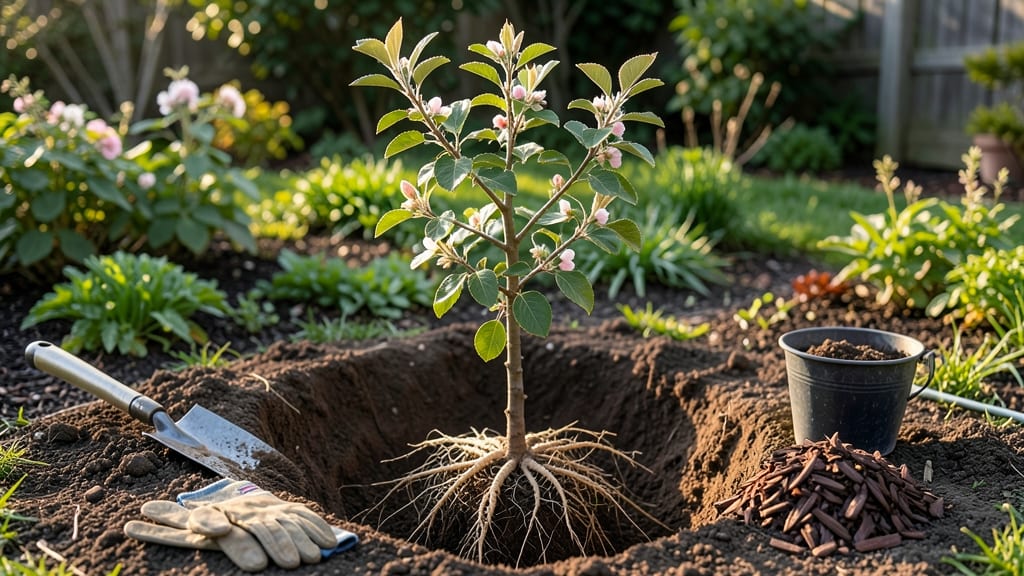
Planting an apple tree 🍎 in South Carolina at the wrong time can mean the difference between a thriving orchard and a struggling sapling. The best window for planting—late winter to early spring—aligns perfectly with the state’s 7b-8a climate, giving roots time to establish before summer heat sets in.
Why does timing matter so much? Because apple trees need strong root growth in their first few months to weather South Carolina’s humidity and occasional pests. Miss this window, and you risk stunted growth or even failure to fruit.
I’ll show you exactly how to prepare your soil, choose the right varieties, and give your tree the best shot at success.
Whether you’re working with bare-root saplings or container-grown trees, the key is getting them in the ground when the soil is workable but before the last frost in March.
Let’s break down the optimal months and what you need to do to set your apple tree up for years of harvests.
From adjusting soil pH to selecting disease-resistant rootstocks, I’ll walk you through every step to ensure your apple tree 🍎 thrives in South Carolina’s unique growing conditions. Ready to plant with confidence? Let’s get started.
Best months to plant apple trees in South Carolina for optimal root growth
Timing your apple tree planting in South Carolina is critical for strong root establishment and fruit production. The ideal window spans from late winter to early spring, specifically February through April, when soil temperatures hover between 40°F and 50°F—perfect for root development without summer heat stress.
For bare-root saplings, plant as soon as they arrive in February while roots are still dormant but soil is workable. Container-grown trees offer more flexibility, allowing planting through May—just avoid extreme heat or drought conditions that shock roots.
South Carolina’s microclimates complicate timing: Coastal areas (like Charleston) have milder winters, while Piedmont regions (Greenville, Upstate) face earlier frosts. Adjust planting dates 2-3 weeks later in inland zones to avoid late-spring freezes.
Soil temperature is non-negotiable: roots won’t grow below 40°F, and planting in hot summer months risks transplant shock. Use a soil thermometer to confirm readiness—aim for 50°F+ at 6 inches deep.
Pro Tip: Plant 2-3 weeks before your last frost date (typically mid-March in most of SC) to give roots time to establish before buds swell. Check your USDA Zone 7b-8a frost maps for precision.
| Planting Window | Best For | Soil Temp | SC Microclimate |
|---|---|---|---|
| Late February - Early March | Bare-root saplings | 40°F-50°F | Coastal (Zone 8a) |
| Mid-March - April | Container-grown trees | 50°F-60°F | Piedmont (Zone 7b) |
| May (early) | Container-grown (last resort) | 60°F+ | Upstate (Zone 7b) |
Note: Avoid planting during summer heatwaves or winter freezes.
Fall planting is risky in SC due to unpredictable freezes, but November can work in Zone 8a (coastal) if soil temps stay above 45°F. For inland areas, skip fall entirely—roots won’t harden before winter.
Choose dwarf or semi-dwarf varieties like Anna or Ein Shemer for SC’s humidity—they establish faster and bear fruit sooner. Standard trees need 6-8 years to fruit, while dwarf types may produce in 3-4 years.
After planting, mulch heavily with wood chips to retain moisture and regulate soil temps. Water deeply 2-3 times per week for the first month, then taper to weekly deep waterings once established.
Monitor for fire blight (common in SC’s wet springs) by pruning infected branches immediately. Copper fungicides applied at bud swell (late winter) prevent outbreaks.
With the right timing and care, your apple tree will thrive in SC’s climate—yielding sweet, homegrown fruit for decades. Start small with 1-2 trees to test varieties before committing to an orchard!
Best months to plant apple trees in South Carolina for optimal root growth
South Carolina’s mild winters and long growing season give you two prime windows to plant apple trees: late winter (February-March) and early spring (April). The ideal time is when soil temperatures reach 45-50°F—perfect for root establishment before summer heat arrives.
This aligns with the state’s last frost dates, which typically occur around mid-March in most regions.
For bare-root saplings, February is your best bet—they need cold dormancy to wake up, but planting too early risks frost damage. Container-grown trees, however, can go in slightly later (March-April) since their roots aren’t exposed.
The key is getting them planted before active growth begins, usually by late April.
Here’s why timing matters: Planting in fall (October-November) is risky in SC’s humid climate—it gives pests and diseases like fire blight too much time to attack fresh wounds. Spring planting lets roots grow 3x faster before summer stress sets in.
🌱 Planting Window Comparison for SC Apple Trees
| Season | Best Months | Soil Temp | Root Growth | SC-Specific Notes |
|---|---|---|---|---|
| Late Winter | February-March | 45-50°F | Rapid | Avoid frost-prone areas; ideal for bare-root |
| Early Spring | April | 50-60°F | Strong | Best for container-grown; post-frost |
| Fall | October-Nov | 60-70°F | Slow | Risky—humidity increases disease |
💡 Pro Tip: Coastal SC (Zone 8a) can plant up to 2 weeks later than Piedmont areas (Zone 7b).
South Carolina’s microclimates play a huge role. Inland areas like Columbia or Greenville (Zone 7b) should plant in early March to avoid late frosts, while coastal regions like Charleston (Zone 8a) can wait until mid-March. The Upstate, with cooler nights, may even extend planting into early April.
For dwarf varieties (like ‘Liberty’ or ‘Akane’), timing is slightly more flexible—they establish faster. But standard varieties need that 6-8 week head start before summer’s heat and humidity peak. I’ve seen ‘Fuji’ trees planted in May still struggle unless given extra mulch and irrigation.
If you miss the spring window, don’t panic—container-grown trees can handle fall planting (September-October) as long as you protect them from freezing roots with straw mulch. Just avoid planting after October 15th to prevent winter stress. The goal is always the same: strong roots before summer.
Ready to pick your planting date? Grab a soil thermometer and check those temps—your apple tree’s future harvest depends on it! 🍏