
Plants
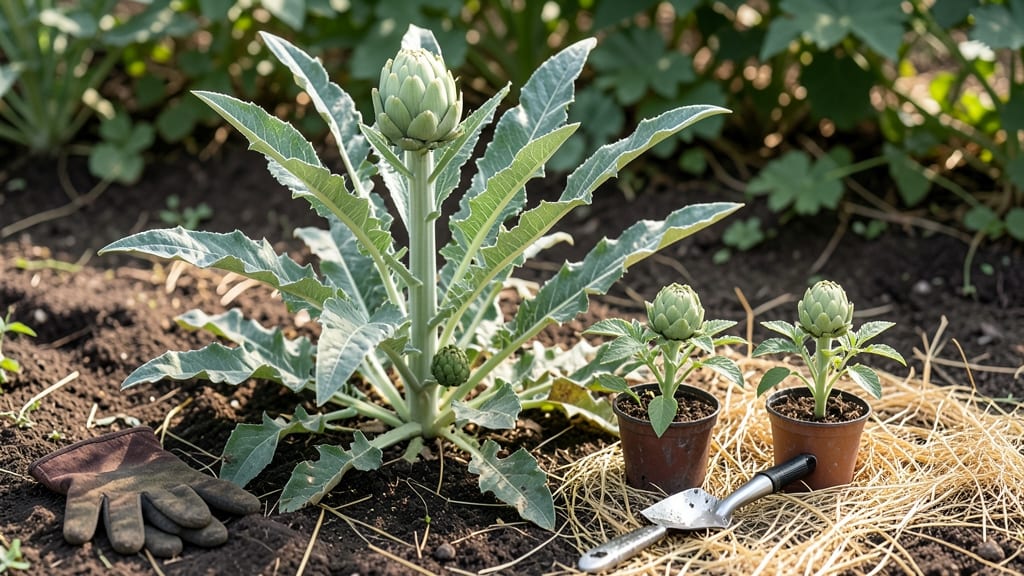
Planting artichokes in Arizona might seem tricky with its extreme heat and unpredictable winters, but timing is the secret to success.
The perfect window for planting these Mediterranean natives falls between November and February, when cooler temperatures give young plants the best chance to establish roots before summer’s scorching sun.
Why does this matter? Unlike frost-sensitive crops, artichokes 🌿 actually thrive in Arizona’s mild winter climate—if you plant them right. Skipping this window risks bolting (premature flowering) or stunted growth when temperatures spike.
I’ll break down exactly when to start seeds indoors versus transplanting mature plants, plus how to adapt for Phoenix’s Low Desert vs. Flagstaff’s cooler High Desert zones.
Most gardeners in USDA Zone 9b assume artichokes are a lost cause, but with the right prep—like well-draining soil and shade cloth for early spring—you can grow them year-round.
Let’s dive into the exact calendar, soil tricks, and watering hacks that’ll turn your desert garden into an artichoke powerhouse by harvest season.
Ready to grow artichokes that actually survive Arizona’s heat? The key is planting early enough to avoid summer stress, and I’ve got the step-by-step schedule to make it happen—no guesswork required.
Best planting windows for Arizona artichokes: month-by-month Desert calendar
Arizona’s microclimates create unique challenges for growing artichokes. The Low Desert (Phoenix, Tucson) has 245 frost-free days, while the High Desert (Flagstaff, Prescott) faces earlier frosts. Timing your plantings to avoid heat stress or cold damage is key to success.
Artichokes thrive in cool winter months when temperatures stay between 50°F and 75°F. Planting too early risks frost damage, while late plantings may struggle with summer heat. Here’s your desert-specific calendar for optimal results.
🌱 Low Desert (Phoenix/Tucson): Plant from November 1 to February 15 to ensure harvests before April’s heat spike. These areas enjoy 300+ days of sunshine, but artichokes need cool nights to prevent bolting.
🏔️ High Desert (Flagstaff/Prescott): Start seeds October 15 to January 10, with a hardiness advantage for cooler nights. Use row covers if late frosts threaten after January 10, the average first frost date.
| Month | Low Desert (Phoenix/Tucson) | High Desert (Flagstaff/Prescott) | Key Consideration |
|---|---|---|---|
| October | Start seeds indoors | Direct sow outdoors | Soil temps >60°F |
| November | Transplant seedlings | Transplant seedlings | Avoid late frosts |
| December | Active growth phase | Active growth phase | Cool nights prevent bolting |
| January | Final transplant window | Use row covers | Frost risk decreases |
| February | Harvest begins | Harvest begins | Heat stress emerges |
| March | End of harvest | End of harvest | Plant shade cloth |
For Low Desert gardeners, focus on November and December plantings to ensure harvests by late April. The 140-day growing season requires precise timing—plant too late, and your artichokes may bolt before maturity. Use drip irrigation to maintain consistent moisture during Arizona’s dry winters.
In the High Desert, extend your season with row covers or cold frames to protect young plants. The cooler nights actually benefit artichokes, but frost-sensitive varieties like 'Green Globe' need extra care. Aim for January harvests before temperatures rise above 75°F.
Soil preparation is non-negotiable in Arizona. Artichokes demand well-draining, slightly acidic soil (pH 6.0-7.0). Amend your clay-heavy desert soil with compost and perlite to improve drainage. Test your soil in October—this gives you time to adjust before planting season.
Pro tip: Mulch heavily with straw or wood chips to retain moisture and regulate soil temperature. In Low Desert areas, mulch also protects roots from radiant heat during February’s warm spells. This simple step can double your yield in Arizona’s challenging climate.
Remember, artichokes are biennial—they produce best in their second year. If you plant in November, you’ll harvest next spring, and the same plants may reward you with even larger buds in 2025. Plan accordingly to maximize your desert oasis!
Best planting windows for Arizona artichokes: month-by-month Desert calendar
Arizona’s desert climate creates two distinct zones for artichoke planting: the Low Desert (Phoenix, Tucson) and the High Desert (Flagstaff, Prescott). The ideal window shifts slightly between them, but both rely on cool winter temperatures to establish strong roots before summer’s heat arrives.
In the Low Desert, aim for November through February, while High Desert gardeners can extend planting into early March thanks to cooler nights.
Here’s the breakdown: November is prime for starting seeds indoors or transplanting young plants, as daytime highs stay in the 70s°F. By December, soil temperatures drop further, reducing stress on transplants.
January remains safe, but avoid planting after mid-February in the Low Desert—soil can warm too quickly, causing bolting. High Desert areas can push to early March with shade cloth protection.
The key is avoiding frost risk (rare in Arizona’s Zone 9b) and heat stress. Artichokes need 60-70°F soil temps to germinate, so wait until nighttime lows stay above 40°F. Use a soil thermometer to confirm—this is non-negotiable for success.
| Zone | Best Months | Soil Prep | Key Tip |
|---|---|---|---|
| Low Desert (Phoenix/Tucson) | November–February | Amend with compost; raise beds for drainage | Use shade cloth (30%) after mid-February |
| High Desert (Flagstaff/Prescott) | November–Early March | Test pH (6.5–7.5); add organic matter | Plant near south-facing walls for warmth |
| Both Zones | October (risky) | Mulch heavily; water deeply | Avoid planting after March—heat stress guaranteed |
Pro tip: Succession planting works in Arizona! Start a second batch in late January for a staggered harvest. Use black plastic mulch to warm soil faster in cooler zones, or straw mulch to retain moisture in the Low Desert’s intense sun.
Both methods buy you critical growing time before summer arrives.
Remember, artichokes are perennials in Arizona’s climate—they’ll regrow for years if given proper care. Your first harvest window is March–May, but with the right timing, you can extend it into early summer by providing afternoon shade. The goal? Beat the 100°F+ heat that triggers bolting.
For container growing, plant in 15-gallon pots by mid-November—this gives roots room to establish before transplanting outdoors in January. Use a lightweight potting mix with perlite to prevent compaction, and keep containers near a south-facing wall for extra warmth.