
Plants
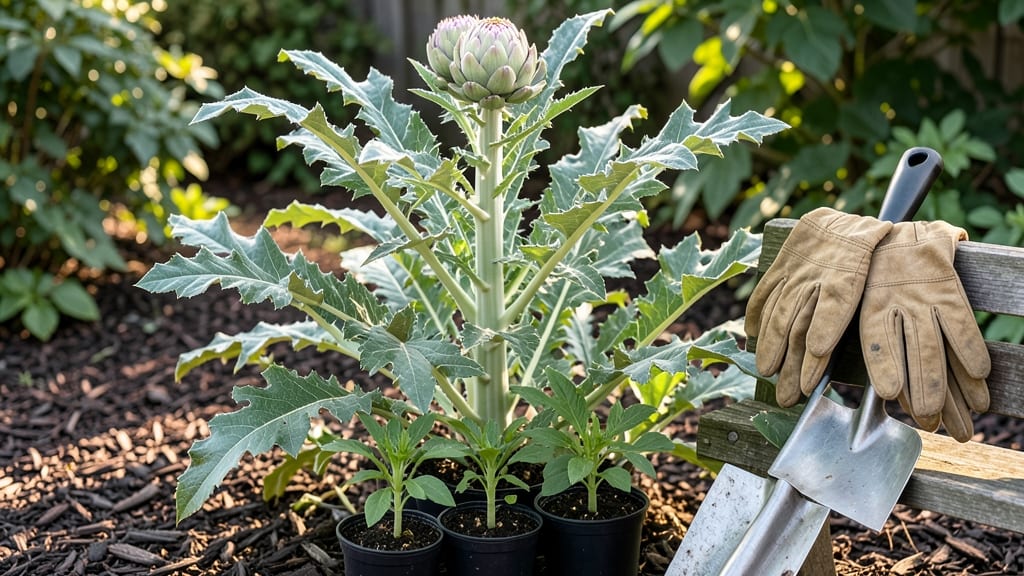
Timing your artichoke 🌱 planting in Zone 9 could mean the difference between a thriving harvest and wasted effort. Unlike other plants, artichokes in this climate thrive when planted during the cooler winter months—between October and February—to avoid the brutal summer heat.
But here's the catch: coastal areas like Southern California have milder winters and higher humidity, while inland spots like Phoenix face intense dry heat. Getting the timing right for your specific microclimate ensures your plants establish strong roots before spring arrives.
In this guide, I'll break down the exact planting windows for both coastal and inland Zone 9 growing zones, plus soil and water adjustments to keep your artichokes happy year-round.
Whether you're a first-time gardener or a seasoned pro, these insights will help you avoid common mistakes and maximize your harvest from March to June.

Zone 9 artichoke planting calendar: coastal vs inland timing differences
Artichokes 🌱 in Zone 9 need precise timing to thrive—plant too early, and they’ll bolt in summer heat; too late, and your harvest shrinks. The ideal window spans October through February, but coastal areas (like San Diego) can start slightly later than inland deserts (like Phoenix).
Coastal Zone 9 gardens benefit from milder winters and higher humidity, while inland zones face hotter days and drier soil. These microclimate differences shift the best planting dates by 2-4 weeks, so let’s break it down.
Here’s how to align your planting with your local climate for maximum success:
For coastal gardeners, late October is your sweet spot—soil stays cool enough to prevent early bolting, while February still leaves time for roots to establish before summer. Inland growers should start by mid-September to beat the heat, as soil warms faster in desert climates.
Pro tip: Use a soil thermometer to confirm temperatures before planting. Artichokes struggle in soil above 70°F (21°C), even in Zone 9. If your soil runs hot, opt for shade cloth during peak afternoon sun.
Another critical factor is day length. Artichokes need 10–12 hours of daylight to form buds. Coastal areas hit this threshold naturally by December, while inland zones may need supplemental grow lights if planting early.
Finally, transplant shock is a real risk in Zone 9’s dry heat. Harden off seedlings for 10–14 days before planting, especially in inland areas where temperature swings are more extreme. Acclimate them gradually to direct sunlight and drier air.
With these adjustments, you’ll avoid the two biggest mistakes: planting too early (leading to heat stress) or too late (delaying harvest). Next, we’ll dive into soil, water, and sunlight tweaks to keep your artichokes thriving year-round.
How to adjust planting for Zone 9 microclimates: soil, water, and sunlight tips
Zone 9’s microclimates create unique challenges for artichokes 🌱—coastal areas battle fungal risks from humidity, while inland zones struggle with dry, fast-draining soil. The key to success lies in soil amendments, irrigation strategies, and sunlight management tailored to your location.
Let’s dive into the specific adjustments that will keep your plants thriving.
For coastal gardeners, well-draining yet moisture-retentive soil is non-negotiable. Sandy loam amended with 20% compost and 10% perlite creates the perfect balance. This prevents root rot while supplying consistent moisture—critical when coastal fog keeps temperatures cool but damp.
Inland growers, on the other hand, need to retain moisture in sandy soils by mixing in 30% compost and a 1-inch layer of mulch (straw or wood chips) to reduce evaporation.
- Coastal: Test soil pH (aim for 6.5–7.5); amend with lime if acidic.
- Inland: Add hydrated lime to raise pH if soil tests below 6.0.
- Coastal: Water deeply every 3–4 days; avoid overhead sprinklers to prevent fungal diseases.
- Inland: Use drip irrigation at soil level to minimize evaporation; water every 5–7 days.
- Coastal: Provide 6–8 hours of morning sun; use shade cloth for afternoon protection if temps exceed 85°F.
- Inland: Plant in full sun but use reflective mulch (white gravel) to reduce soil heat.
- Coastal: Use straw mulch (2–3 inches) to improve soil structure and reduce humidity at soil level.
- Inland: Apply wood chip mulch (3–4 inches) to lock in moisture and regulate soil temperature.
One of the most common pitfalls in Zone 9 is overwatering coastal plants or underwatering inland ones. To avoid this, I recommend installing a soil moisture sensor ($20–$30) near your artichoke patch.
These devices alert you when the root zone hits 40–50% moisture—the sweet spot for artichokes. For coastal gardens, pair this with a rain gauge to track natural precipitation and adjust accordingly.
Sunlight is another critical factor that varies wildly between microclimates. Coastal areas often experience morning fog, which can reduce sunlight hours. If your artichokes aren’t getting enough light, supplement with a LED grow light (10,000–12,000 lumens) for 2–3 hours daily during overcast periods.
Inland zones, meanwhile, benefit from reflective surfaces like white paint on fences or mirror panels to bounce extra light onto plants.
Finally, fertilizer timing must adapt to your microclimate. Coastal plants should receive a balanced 10-10-10 fertilizer every 6 weeks starting in late winter, while inland plants thrive on a light feeding (5-5-5) every 8 weeks to avoid salt buildup in dry soil.
Always water deeply 24 hours before and after applying fertilizer to prevent root burn.
By tailoring these adjustments to your specific Zone 9 microclimate, you’ll create the ideal growing conditions for artichokes—whether you’re battling coastal humidity or inland heat. Next, we’ll cover the three biggest mistakes to avoid, so you can steer clear of common pitfalls and maximize your harvest.