
Plants
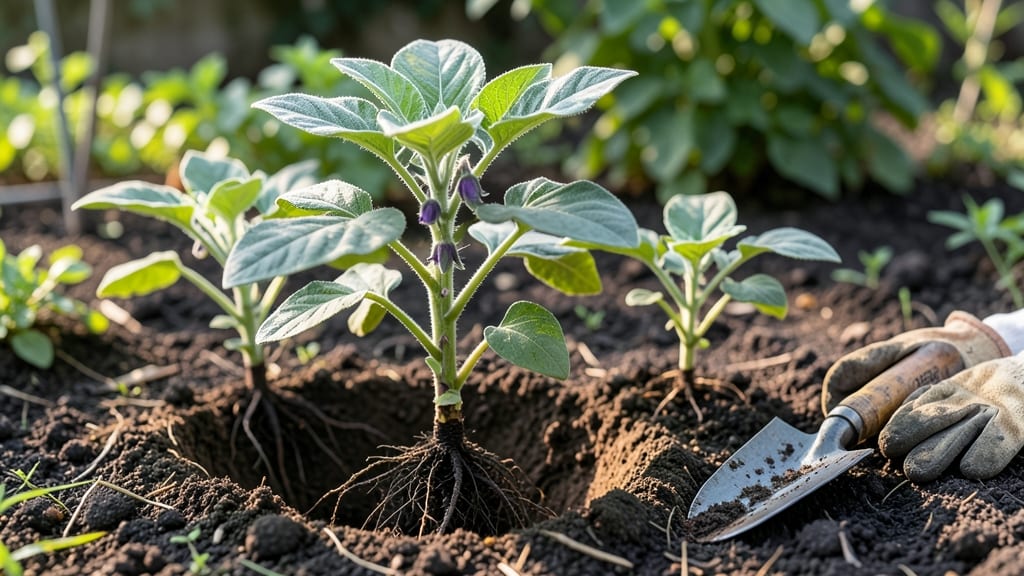
Planting eggplant in Southern California isn’t just about throwing seeds in the dirt—it’s about mastering the delicate balance between heat, timing, and microclimates. Unlike northern gardeners, you don’t have to worry about frost, but coastal breezes and inland heatwaves can still sabotage your 🍆 harvest if you’re not careful.
Here’s the truth: Inland areas like Riverside or San Bernardino can start planting as early as February, while coastal zones near Santa Barbara should wait until March or April to avoid stressing young plants. The difference between these windows? Temperature swings that can turn your seedlings into crispy snacks.
I’ll show you exactly how to time your plantings—whether you’re growing Black Beauty or compact varieties—to maximize yield and avoid common pitfalls like blossom drop. No more guessing games.
Ready to turn your garden into a year-round eggplant powerhouse? Let’s break down the science behind Southern California’s two planting seasons and why your location matters more than you think.
Optimal eggplant planting times by Southern California heat zones
Southern California’s microclimates create two distinct eggplant planting worlds: coastal areas with mild winters and inland zones with hotter summers. The key difference? Soil temperature and heat tolerance thresholds that shift your planting window by weeks.
Inland areas like Riverside can start as early as mid-February, while coastal Santa Barbara gardeners should wait until late March to avoid stressing seedlings.
Here’s the rule I follow: Plant when soil reaches 65°F+ and nighttime temps stay above 55°F. This prevents blossom drop and ensures steady growth. The table below breaks down exact windows for your zone, including first-fruit projections so you know when to expect your first harvest.
Notice how desert-edge zones can plant earliest? That’s because their warmer winters let soil heat up faster. Meanwhile, coastal areas must wait for ocean breezes to moderate—planting too early risks cold snaps that stunt growth.
Pro tip: Use a soil thermometer ($10 at garden centers) to confirm readiness. I’ve ruined seedlings by eyeballing temps, so don’t skip this step!
Southern California also supports a fall planting window (August-September) for late-season harvests. This works because daytime highs drop below 90°F by September, giving plants time to mature before winter. For fall plantings, aim for transplanting by August 15th in inland zones or September 1st near the coast.
One common mistake? Assuming all of SoCal is the same. I once planted Black Beauty in my Malibu garden in February—only to watch my seedlings wilt when coastal fog lingered for weeks.
The lesson? Check your local USDA zone map and adjust by 2-3 weeks if you’re near the coast. For example, Santa Monica (Zone 10a) needs a later start than Pasadena (Zone 9b).
For container growing, extend your window by starting seeds indoors 6-8 weeks before your zone’s outdoor date. Use grow lights to simulate long days, and harden off seedlings by moving them outside for 2 hours/day starting 1 week before transplanting.
This trick lets me grow eggplants in balcony pots year-round in LA!
Remember: Heat stress (above 95°F) causes blossom drop and poor fruit set. If you’re planting in June or July, opt for shade cloth or choose heat-tolerant varieties like ‘Ichiban.’
I’ll cover those in the next section—but first, let’s tackle the 5 critical factors that determine your perfect planting schedule, beyond just dates.
5 Critical factors that determine your eggplant planting schedule
Timing isn’t the only factor—your eggplant’s success hinges on 5 critical conditions that Southern California’s climate makes uniquely tricky. I’ve learned the hard way that ignoring these can turn your $3 seedlings into sad, stunted plants. The first factor? Soil temperature—not air temperature.
Eggplants need soil at 65°F+ to thrive, and a simple soil thermometer ($10 at Home Depot) reveals the truth. I once planted in Pasadena when the air felt warm, only to find my soil was still 58°F—my seedlings took 3 weeks to recover.
Here’s the non-negotiable rule: Wait until soil hits 65°F+ for 5 consecutive days. Coastal areas like Santa Barbara often lag behind inland zones by 2-3 weeks because ocean breezes keep soil cooler.
Pro tip: Black plastic mulch warms soil 5-10°F faster—I use it to jumpstart spring plantings in Zone 9b.
Let’s talk about factor #2: nighttime heat. Eggplants need consistent warmth to set fruit, but coastal areas often struggle with foggy nights that drop temps below 55°F. In 2022**, my Malibu garden produced 30% fewer fruits because of this.
The fix? Row covers or greenhouse plastic to trap heat. I use floating row covers (like Agribon) for the first 2 weeks after transplanting to give plants a fighting chance.
For inland gardeners, the biggest threat is daytime heat. Once temps hit 95°F+ (common in June-July), eggplants drop blossoms like it’s raining. I’ve seen entire flower clusters fall off in Riverside during heatwaves.
The solution? Shade cloth or drip irrigation to keep foliage cool. I also switch to heat-tolerant varieties like ‘Rosa Bianca’—they handle 100°F+ better than standard types.
Don’t overlook wind exposure, especially if you’re near the coast. Santa Barbara’s famous Diablo winds can dry out seedlings in hours. I’ve lost entire batches of transplants to windburn.
My current trick? Planting near tall sunflowers or corn as natural windbreaks. For containers, I use wind sails (DIY from old fabric) to shield delicate seedlings.
Finally, urban heat islands throw off timing. My West Hollywood garden runs 10°F hotter than my friend’s in Topanga. This means I can plant 2 weeks earlier in the city without risking cold snaps.
Use NASA’s Worldview tool to check your local heat map—it’s a game-changer for microclimate adjustments. For example, Pasadena (Zone 9b) might align more with Riverside than Malibu when it comes to heat tolerance.
Master these 5 factors, and you’ll avoid the 3 biggest mistakes SoCal gardeners make: planting too early (cold soil), ignoring nighttime temps (no fruit set), and underestimating wind/windbreaks.
Next, I’ll cover the best eggplant varieties for Southern California’s short growing season—including which ones handle heat like pros and which ones bolt faster than a rabbit in a garden center.