
Plants
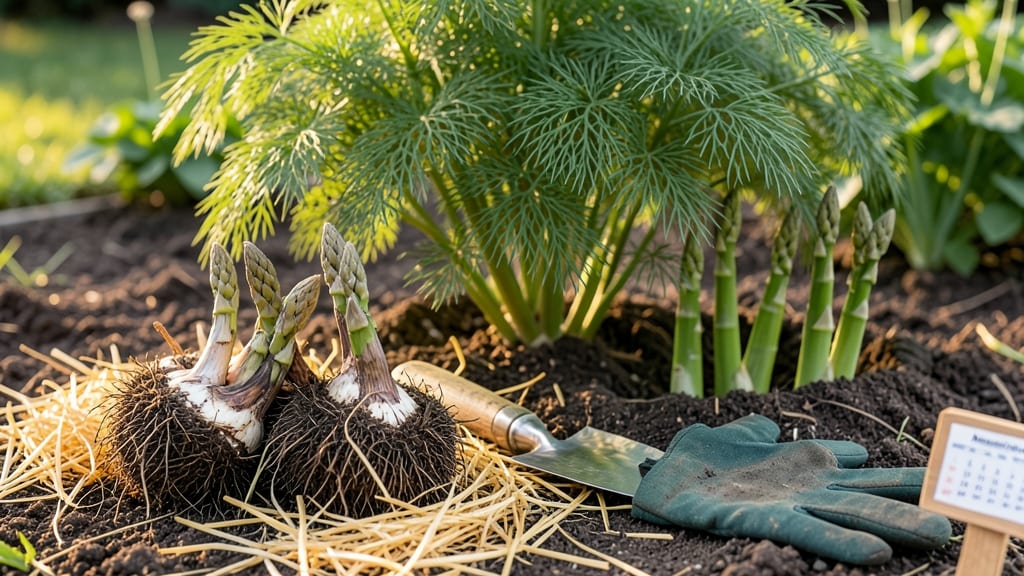
Planting asparagus in Minnesota isn't just about timing—it's about mastering the delicate balance between frost and warmth to coax those prized spears from your soil. With USDA zones 3-5 and unpredictable spring weather, getting it right means the difference between a thriving 🌱 asparagus patch and wasted effort.
Most gardeners assume spring is the only option, but Minnesota's short growing season actually makes early spring or even late fall planting a smarter strategy. The key? Waiting until soil temperatures hit 40-50°F—when the ground is workable but still cool enough to prevent stress on young roots.
I've learned the hard way that planting too early risks frost damage, while waiting too long can stunt growth before harvest season arrives in June-July.
Cold-hardy varieties like 'Mary Washington' or 'Jersey Knight' are your best bet, but even they need the right timing to establish strong roots before Minnesota's first frost in mid-October.
Let me show you exactly when to plant, how to prepare your soil, and which varieties will give you the most reliable harvests—so you can stop guessing and start growing like a pro.
Optimal planting windows for asparagus in Minnesota’s climate zones
Minnesota’s USDA zones 3-5 create unique challenges for asparagus growers, where soil temperature matters more than calendar dates. Unlike warm-weather crops, asparagus crowns thrive when planted in cool but workable soil—typically between 40-50°F.
This window usually falls in early spring (March-April), but late fall (September-October) can also work if you’re planting bare-root crowns.
Most gardeners assume spring is the only option, but Minnesota’s short growing season means timing is everything. Planting too early risks frost damage to tender roots, while waiting too long can stunt root establishment before harvest season arrives in June-July.
The key is balancing soil warmth with frost-free days—Minnesota averages 150 frost-free days, leaving little room for error.
Here’s the golden rule: Wait until the ground is workable but still cool. Stick your finger 6 inches deep—if the soil feels like a chilled loaf of bread, it’s ready.
In northern Minnesota (Zone 3), this might be late April, while southern areas (Zone 5) can start as early as mid-March. Always check your local frost date forecasts—last frost typically hits mid-April in most regions.
Fall planting is an underused strategy in Minnesota, but it works if you plant 6-8 weeks before the first frost (usually by September 15th). The roots establish over winter, giving you a head start in spring.
However, fall-planted crowns need extra mulch (4-6 inches) to insulate them from freezing temperatures.
One mistake I see often is planting based on calendar months instead of soil conditions. For example, March in Zone 3 might still be frozen solid, while April in Zone 5 could be too warm for optimal root growth.
Always test your soil with a soil thermometer—it’s the only way to get it right.
Another critical factor is crown depth. Planting too shallow (less than 6 inches) exposes roots to temperature swings, while burying too deep (more than 8 inches) can suffocate the crown.
Aim for 6-8 inches deep, with the crown slightly above soil level—this ensures stability without restricting growth.
🌱 Minnesota Asparagus Planting Timeline by Zone
| Zone | Ideal Planting Window | Soil Temp Threshold | Key Considerations |
|---|---|---|---|
| Zone 3 (North) | Late April - Early May | 45-50°F | Wait for last frost; use black plastic mulch for warmth. |
| Zone 4 (Central) | Mid-April - Late April | 40-45°F | Fall planting possible by September 15th; add 4" mulch. |
| Zone 5 (South) | Early March - Mid-April | 40-48°F | Soil warms faster; test with soil thermometer. |
🌱 Pro Tip: Use straw mulch in spring to regulate soil temperature and retain moisture.
If you’re planting in containers or raised beds, the rules change slightly. Containers warm up faster, so you might plant 1-2 weeks earlier than in-ground. However, containers also dry out quicker, so drip irrigation is a must.
For raised beds, amend soil with compost and sand to improve drainage—asparagus hates soggy roots.
One final tip: Mark your calendar for June 1st—this is when most Minnesota asparagus plants are ready to send up spears after 2-3 years of establishment.
If you plant too late, you’ll miss this critical window. Patience pays off—asparagus is a 3-year investment, but the harvests afterward are worth it.
Ready to plant? Grab your soil thermometer, check the frost forecast, and get those crowns in the ground while the soil is still cool. Your future June harvest depends on it! 🌱
Optimal planting windows for asparagus in Minnesota’s climate zones
Minnesota’s USDA zones 3-5 create unique challenges for planting asparagus, where the difference between a successful harvest and wasted effort often comes down to precise timing.
Unlike warmer climates, we can’t rely on a single "planting season"—instead, we must work with soil temperature thresholds and frost dates that shift dramatically across the state.
The golden window for planting asparagus crowns in Minnesota is early spring (March–April), when soil temperatures reach 40-50°F. This cool-but-workable range gives roots time to establish before summer heat arrives.
In northern Minnesota (zones 3-4), aim for late April to early May to avoid late frosts, while southern areas (zone 5) can start as early as mid-March.
Contrary to popular belief, fall planting is also viable in Minnesota—just not as commonly discussed. Planting in late August to early September allows roots to establish before winter dormancy, with the added benefit of avoiding spring’s unpredictable weather.
The key is ensuring 6-8 weeks of warm soil before the first frost, which typically occurs around mid-October.
| Zone | Spring Planting Window | Fall Planting Window | Soil Temp Threshold | Key Risk |
|---|---|---|---|---|
| 3 (North) | Late April–Early May | Late August–Early Sept | 45–50°F | Late frosts |
| 4 (Central) | Mid-April–Late April | Early–Mid Sept | 40–45°F | Soil compaction |
| 5 (South) | Mid-March–Early April | Early–Late Sept | 40°F | Overheating |
One mistake I see often is planting asparagus too early in hopes of a head start. While it may seem logical, cold soil slows root growth, leaving crowns vulnerable to rot or frost heave. Use a soil thermometer to verify temperatures—if it’s below 40°F, wait another week.
For container gardening in Minnesota, extend your planting window by using black plastic mulch or raised beds to warm soil faster. This technique lets you plant 2-3 weeks earlier in spring or 1-2 weeks later in fall, giving you more flexibility with Minnesota’s variable climate.
Remember: Asparagus is a perennial investment—proper timing now means 15+ years of harvests with minimal replanting. The patience pays off, especially when you’re enjoying fresh spears in June-July after just 2-3 years of care.