
Plants
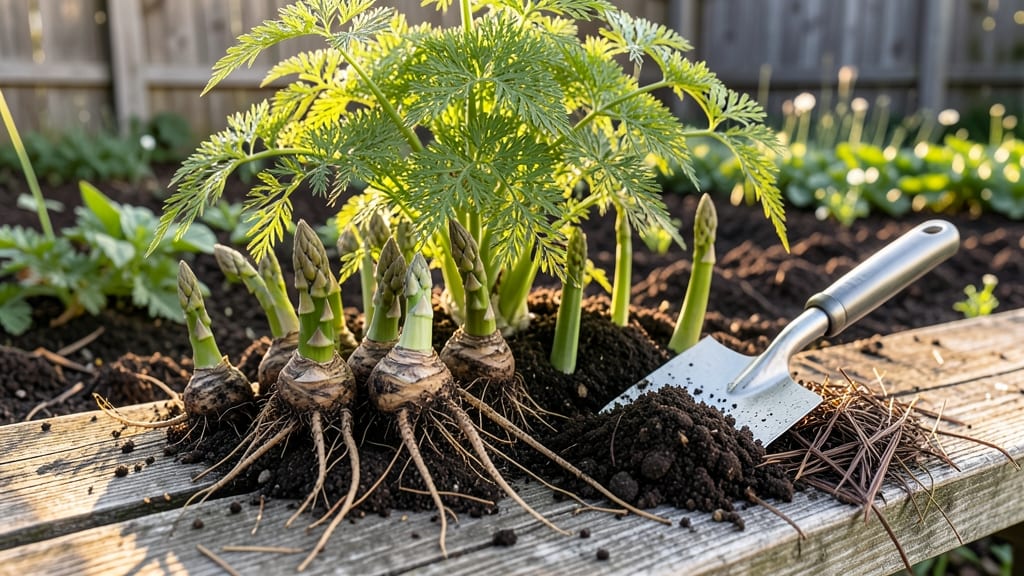
Timing your asparagus planting in North Texas can mean the difference between a thriving perennial crop and years of frustration—especially in Zone 8a’s unpredictable swings from frost to scorching heat. If you’ve ever watched your spears wilt under early spring freezes or struggle through summer droughts, you’re not alone.
The key to success lies in planting 🌱 asparagus crowns between late February and early March, when soil temperatures hover around 50°F—just warm enough to encourage root growth without risking frost damage.
This window aligns perfectly with North Texas’s last average frost date (around March 15), giving your plants a head start before the real heat arrives.
But here’s the catch: not all asparagus varieties handle Texas summers the same way. Some cold-hardy types like ‘Mary Washington’ or ‘Jersey Knight’ thrive in our heat, while others bolt or produce poorly.
I’ll walk you through the best varieties for Zone 8a, soil prep secrets, and how to adjust for microclimates—whether you’re in Dallas’s urban heat island or Lubbock’s drier plains.
Ready to turn your garden into a 15-year asparagus powerhouse? Let’s dive into the exact steps to plant, protect, and harvest spears that’ll make your neighbors green with envy.
Optimal planting windows for asparagus in North Texas (Zone 8a)
Timing your asparagus planting in North Texas is all about avoiding late frosts while ensuring soil warmth for root establishment. The ideal window is late February to early March, when daytime temperatures consistently stay above 50°F but nights remain cool enough to prevent stress.
This aligns with North Texas’ average last frost date of March 15, giving your crowns a head start before summer’s heat arrives.
For those in Dallas (Zone 8a), you can push planting slightly earlier—mid-February—thanks to the urban heat island effect. Meanwhile, gardeners in Lubbock (Zone 7b) should wait until early March to avoid cold snaps.
Soil temperature is your best guide: aim for 55-65°F at a 4-inch depth before planting.
Fall planting is a common mistake in Texas—avoid it! Asparagus crowns planted in autumn often rot over winter due to our mild but unpredictable November rains. Instead, focus on that early spring window when the ground thaws but summer’s heat hasn’t yet peaked.
Pro tip: Use a soil thermometer to confirm readiness. If your soil is still below 50°F in early March, wait 1-2 weeks. Patience here prevents root rot and ensures stronger plants for your first harvest.
Once you’ve nailed the planting window, prepare your bed by amending soil with compost and a balanced fertilizer (10-10-10). Asparagus thrives in well-draining soil with a pH of 6.5-7.5—test your soil before planting to adjust if needed.
In North Texas’ clay-heavy soils, mix in sand or peat moss to improve drainage.
After planting, mulch with 2-3 inches of straw to retain moisture and suppress weeds. This is especially critical in summer’s dry spells, where young plants can struggle without consistent moisture. Water deeply twice weekly for the first month, then taper to once weekly as temperatures rise.
Remember: Asparagus is a 15-year perennial, so investing time in proper planting now pays off with decades of harvests. In North Texas, where summer heat and winter freezes test plants, precise timing and soil prep are your secret weapons for success.
For a visual guide, check your local Texas A&M AgriLife Extension frost maps—these provide hyperlocal adjustments for your specific county. With the right timing, your asparagus bed will reward you with tender spears for years to come.
Optimal planting windows for asparagus in North Texas (Zone 8a)
North Texas’s Zone 8a climate creates a tight window for planting asparagus crowns—too early risks frost damage, while waiting too late stunts root establishment.
The ideal planting window spans from late February to early March, aligning with soil temperatures of 50-60°F, which is perfect for root growth without heat stress.
This timing also accounts for North Texas’s average last frost date (March 15), giving your asparagus a 6-8 week head start before summer’s intense heat arrives.
For gardeners in Dallas or Fort Worth, urban heat islands may push planting slightly earlier (late January), while Lubbock or Amarillo areas benefit from waiting until early March to avoid late frosts.
🌱 Asparagus Planting Timeline for North Texas
| Stage | Action | Soil Temp | Notes |
|---|---|---|---|
| Late January | Soil prep (urban areas only) | 45-50°F | Loosen soil, add compost |
| Late Feb - Early Mar | Plant crowns 6-8" deep | 50-60°F | 12-18" apart, 4-5' rows |
| March 15-April 15 | Root establishment | 60-70°F | Water deeply weekly |
| Year 2-3 | First harvest begins | Varies | Spears 6-8" tall |
If you miss the spring window, fall planting is possible but risky in North Texas—only attempt it in October if your soil stays above 50°F and you use row covers for frost protection.
The challenge? Asparagus crowns planted in fall may not establish roots before winter dormancy, leading to weaker growth in year one.
For container gardening in North Texas, start asparagus 4-6 weeks earlier (late January) since pots warm up faster. Use 5-gallon containers with drainage holes and fill with a mix of 50% compost and 50% native soil to mimic ideal growing conditions.
Containers also let you move plants to shadier spots during summer if heat becomes overwhelming.
Pro tip: Test your soil pH before planting—North Texas soils often lean alkaline (7.0+), but asparagus thrives in slightly acidic soil (6.5-7.0). Amend with peat moss or sulfur if needed, and always plant in well-draining soil to prevent crown rot, a common killer in Texas’s heavy clay soils.
Remember, patience is key—asparagus takes 2-3 years to establish before producing spears, but with the right timing and care, your North Texas garden can yield harvests for 15+ years. The early months of spring are your best bet for setting up long-term success.