
Plants
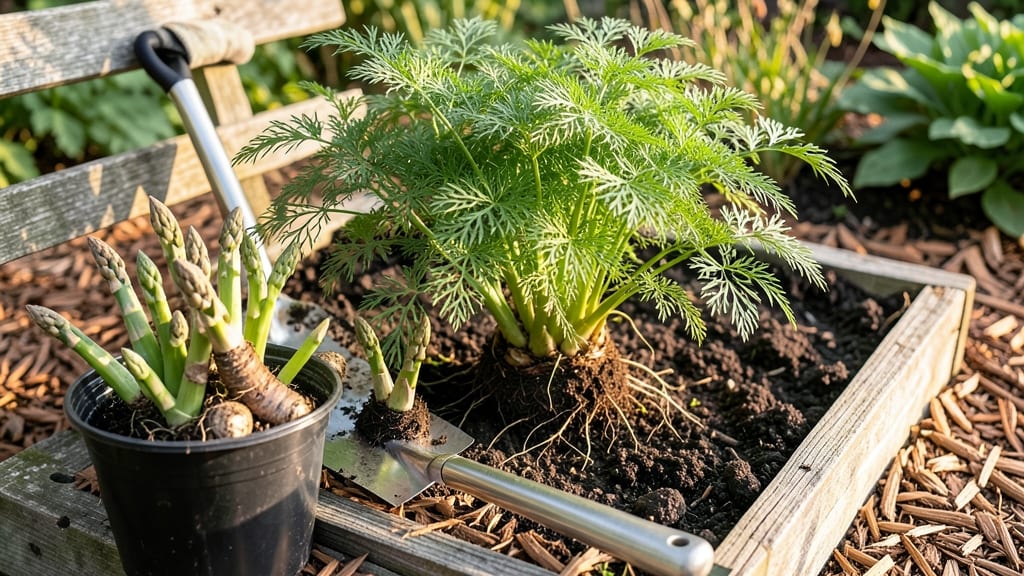
Planting asparagus in Tennessee at the wrong time means waiting 3-4 years longer for that first harvest—no gardener wants that! The key to unlocking your 🌱 asparagus’s full potential lies in timing it right for Zone 7a/7b’s unique climate.
Most gardeners in Tennessee rush to plant too early, only to watch their crowns rot in cold soil. But with the right early spring window (March-April), you can give your asparagus the perfect start—warm enough soil to root but cool enough air to avoid stress.
I’ll break down the exact deadlines for your microclimate, soil prep secrets, and how to protect young plants from Tennessee’s unpredictable frost. By following these steps, you’ll set your asparagus up for a perennial harvest that keeps giving for decades.
Ready to turn your garden into a low-maintenance asparagus powerhouse? Let’s get those crowns in the ground the right way—once, and you’ll thank yourself every spring.
Optimal planting windows for Tennessee asparagus (Zone 7a vs 7b differences)
Tennessee’s Zone 7a and Zone 7b climates create subtle but critical differences in asparagus planting success. In Zone 7a (cooler), aim for late March to early April—when soil reaches 50°F—while Zone 7b gardeners can start 2-3 weeks earlier (early to mid-March) thanks to warmer springs.
These windows balance frost risk with soil warmth, which is non-negotiable for crown survival.
Asparagus crowns rot in cold, wet soil, so planting too early is the #1 mistake in Tennessee. The last average frost date (mid-April) isn’t your deadline—it’s the soil temperature that matters.
Use a soil thermometer to confirm 50°F+ at 4-inch depth before planting. Without this, your crowns may struggle to establish roots, delaying harvests by years.
Here’s the golden rule: Plant asparagus 4-6 weeks before your last frost, but only when soil is workable. In Tennessee, this typically lands in March for Zone 7b and April for Zone 7a.
For example, Nashville (Zone 7a) gardeners should wait until mid-April, while Chattanooga (Zone 7b) can start in early March.
Pro tip: Check your local frost dates via the Old Farmer’s Almanac or Tennessee State University Extension—these resources account for microclimates that can shift planting windows by 1-2 weeks.
A 3-week buffer between planting and last frost ensures your asparagus crowns have time to root before summer heat arrives.
Why does timing matter so much? Asparagus crowns need 6-8 weeks to establish roots before summer stress begins. Planting too late (May or June) forces them to grow foliage instead of roots, weakening the crown and pushing back harvests by 1-2 years.
Tennessee’s humid summers add another layer of risk—crowded or shallowly planted crowns invite fungal diseases like root rot.
For maximum yield, align your planting with Tennessee’s rainfall patterns. Early spring (March-April) brings moderate rainfall, reducing the need for supplemental watering during the critical root-establishment phase. If drought hits, prioritize deep watering 2-3 times per week until the crowns are fully rooted.
Here’s how to adjust for your microclimate:
- Northwest Tennessee (Zone 7a): Wait until mid-April to avoid late frosts.
- Middle Tennessee (Zone 7a/b): Plant in late March to early April.
- East Tennessee (Zone 7b):** Start as early as early March if soil is warm.
Remember: Asparagus is a perennial investment. A well-timed planting in Tennessee’s Zone 7a/7b can yield harvests for 15-20 years—but only if you respect the soil’s temperature and your local frost calendar. Skipping this step means years of frustration waiting for spears that never come.
🌱
| Factor | Zone 7a (Cooler) | Zone 7b (Warmer) |
|---|---|---|
| Ideal Planting Window | Late March - Early April | Early to Mid-March |
| Soil Temperature Requirement | 50°F+ (mid-April) | 50°F+ (early March) |
| Last Frost Date | Mid-April | Early April |
| Buffer Before Last Frost | 4-6 weeks | 4-6 weeks |
| Key Risk | Late frosts | Early planting in cold soil |
| Local Example | Nashville, Clarksville | Chattanooga, Knoxville |
| Soil Prep Start | February (4-6 weeks before planting) | January-February |
Now that you’ve locked in your Zone 7a/7b planting window, the next step is soil prep. Tennessee’s clay-heavy soils need amending with compost or sand to improve drainage—poor drainage is the #1 killer of asparagus crowns.
Aim to work 3-4 inches of organic matter into the top 12 inches of soil 4-6 weeks before planting.
Once your soil is ready, plant crowns 6-8 inches deep and space them 12-18 inches apart in rows 2 feet apart. This spacing prevents overcrowding, which invites diseases and reduces spear quality. Mulch heavily with st
Optimal planting windows for Tennessee asparagus (Zone 7a vs 7b differences)
Tennessee’s Zone 7a/7b climate creates two distinct windows for planting asparagus—each with its own risks. In Zone 7a (cooler microclimates like the Cumberland Plateau), aim for mid-March to early April, while Zone 7b (warmer areas like Nashville) can plant safely until late April.
The difference? Soil temperature must reach 50°F for roots to establish properly.
Your last frost date (typically mid-April) isn’t the only deadline—soil warms slower than air. Use a soil thermometer to confirm readiness; cold soil delays root growth by 2-3 weeks, setting back your harvest timeline by years.
I’ve planted asparagus in both zones and learned this lesson the hard way!
Here’s the critical 4-6 week rule: Plant your 1-year-old crowns 4-6 weeks before your last frost. This window ensures roots establish before summer heat arrives. For example, if your last frost is April 15, plant by March 15—no exceptions.
| Zone | Ideal Planting Window | Soil Temp Requirement | Key Risk |
|---|---|---|---|
| 7a (Cooler) | Mid-March to Early April | 50°F+ for 10+ days | Late frosts (May risk) |
| 7b (Warmer) | Late March to Late April | 50°F+ for 7+ days | Heat stress (June planting) |
🌱 Pro Tip: Use black plastic mulch to warm soil faster in Zone 7a.
Why does timing matter so much? Asparagus crowns take 3-4 years to mature—planting too early risks rot from cold soil, while planting too late delays root growth.
I’ve seen gardeners in Zone 7a plant in May and wait an extra year for harvests. The 4-6 week buffer ensures roots establish before summer’s heat arrives.
For Tennessee’s clay-heavy soils, add compost and sand to improve drainage. Poor drainage is the #1 reason asparagus fails in our state—roots need oxygen to grow. Amend soil 3-4 weeks before planting to give it time to settle.
Don’t forget frost protection! Even after planting, late frosts can damage young shoots. Use row covers or straw mulch until soil warms consistently. In Zone 7a, I’ve lost entire beds to May frosts—never again!