
Trees
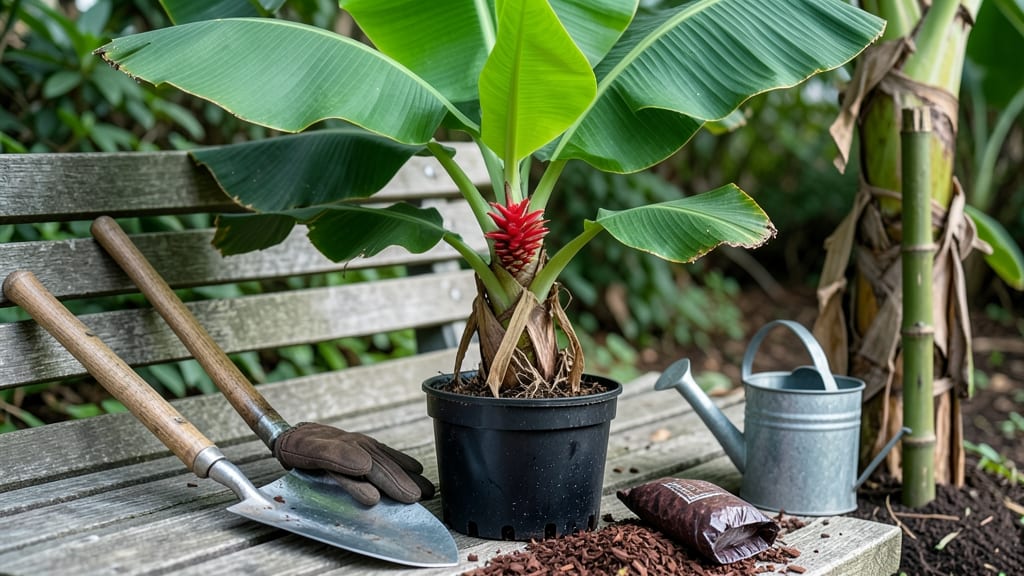
Planting a banana tree 🍌 in Florida might seem like a no-brainer—until you realize timing can make or break your tropical dream. Unlike northern climates, Florida’s frost-free zones let you plant year-round, but spring and summer are the sweet spots for maximum growth and fruit production.
Why? Because Florida’s USDA Zones 9a-11 mean no frost to worry about, but heatwaves and humidity can stress young plants if you’re not careful.
I’ll show you how to pick the perfect window—whether you’re digging in the ground or keeping your 🍌 in a container—so your banana tree thrives from day one.
Think you can plant anytime? Not so fast. Coastal areas, inland heat pockets, and even microclimates play a role. I’ll break down the best months for your specific Florida region, plus pro tips to avoid common pitfalls like stunted growth or split trunks.
Ready to grow a banana tree 🍌 that’s lush, productive, and built to last? Let’s get started—your tropical oasis begins with the right planting timing.
Best months to plant banana trees in Florida’s frost-free zones
Florida’s frost-free climate means you can plant banana trees year-round, but timing still matters for optimal growth. The best months to plant are spring (March-May) and early summer (June-July), when soil warmth and humidity align perfectly with the tree’s needs.
These months provide consistent moisture and rapid root establishment, setting your banana tree up for faster fruiting.
If you’re in North Florida (USDA Zone 9a), avoid planting in late summer (August-September) when hurricane season can uproot young plants.
Meanwhile, South Florida (Zone 10b-11) gardeners enjoy ideal conditions year-round, but even here, spring planting gives your tree a head start before the hot, dry summer months.
Here’s the golden rule: Plant when soil temperatures stay above 65°F (18°C). In Florida, this typically means after the last frost risk—which, for most of the state, is year-round.
However, North Florida’s occasional cold snaps (like the 2018 freeze) can still pose risks to newly planted trees.
| Region | Best Planting Window | Soil Temp Requirement | Key Consideration |
|---|---|---|---|
| North Florida (Zone 9a) | March–May, September–October | 65°F+ (18°C+) | Avoid hurricane season (June–Oct) |
| Central Florida (Zone 9b-10a) | Year-round (best: Feb–June) | 60°F+ (15°C+) | Watch for microclimate frosts |
| South Florida (Zone 10b-11) | Year-round (best: Jan–April) | 55°F+ (13°C+) | Salt spray near coasts |
For container-grown banana trees, timing is even more flexible. You can plant anytime as long as you’re prepared to move pots indoors or to a sheltered spot if temperatures dip below 50°F (10°C).
This is especially useful for urban gardeners with limited space or microclimates that experience sudden cold snaps.
If you’re planting in late summer (August-September), prioritize shade cloth and extra mulch to protect roots from heat stress. Banana trees planted in fall (October-November) may struggle with drought stress as Florida’s dry season begins, so deep watering becomes critical.
Pro tip: Pre-soak banana tree roots for 1–2 hours before planting to reduce transplant shock. This is especially important in Florida’s sandy soils, which drain quickly and can stress young roots. Pair this with a slow-release fertilizer at planting to give your tree a nutrient boost.
One common mistake is planting banana trees during Florida’s peak heat (July-August). While the trees tolerate heat, newly planted roots can suffer from osmotic stress—a condition where soil salinity (from evaporation) makes it harder for roots to absorb water.
To combat this, water deeply every 2–3 days and apply organic mulch to retain moisture.
For fastest results, aim to plant banana trees when they’re 1–2 feet tall and already flowering. These mature starts (available at nurseries) fruit 6–12 months faster than seedlings. Just ensure they’re well-watered for the first 30 days to help them adjust to their new home.
Remember, Florida’s USDA Zones 9–11 mean no frost risk, but microclimates still matter. A coastal area might stay warmer than an inland valley, so always check your local weather patterns before planting. With the right timing, your banana tree could bear fruit within a year!
How to extend your banana tree growing season in Florida’s microclimates
Florida’s microclimates can turn your banana tree 🍌 from a struggling sapling to a thriving giant—if you know how to work with them. Coastal areas stay cooler and more humid, while inland spots can hit 100°F+ and dry out fast.
The key? Adjusting your approach based on where you live. I’ve planted banana trees in Miami’s coastal breeze and Orlando’s inland heat, and these tricks make all the difference.
For coastal Florida, where temperatures stay milder year-round, focus on wind protection and humidity retention. Young banana trees hate salt spray and strong winds, which can scorch leaves or uproot shallow roots.
Use burlap windbreaks or plant near native shrubs like sea grapes to buffer gusts. Inland areas? You’ll need to shade young plants during summer’s peak heat and mulch heavily to lock in moisture.
🌱 Visual Tip: Here’s how to tailor your care by microclimate—no guesswork needed!
- 🏖️ Coastal Areas (e.g., Miami, Key West): Plant near windbreaks; water daily in summer to combat salt spray.
- 🏜️ Inland (e.g., Orlando, Tampa): Use 3+ inches of mulch; shade young trees with 50% shade cloth during heatwaves.
- 🏙️ Urban Heat Islands (e.g., Jacksonville, Fort Lauderdale): Grow in large containers for mobility; move to shade during 100°F+ days.
- 🌧️ Rainy Zones (e.g., Everglades, Panama City): Ensure well-draining soil; elevate pots to prevent root rot.
- 🍃 All Microclimates: Test soil pH (6.0–7.5) and amend with compost for nutrient-rich growth.
Containers are a game-changer for Florida gardeners, especially in urban heat islands where pavement radiates heat. Choose 15-gallon+ pots with drainage holes and use lightweight potting mix (like a 50/50 blend of coconut coir and perlite).
Move pots to shadier spots during afternoon heat—even a few hours can prevent leaf scorch. Pro tip: Elevate pots on café-style stands to improve airflow and reduce fungal diseases.
Unexpected frost pockets? They’re rare in Florida, but they happen—especially in North Florida (Zone 8a) or high elevations like Lake Wales. If temps dip below 32°F, cover young trees with frost cloth or move container-grown plants to a garage or shed.
For mature trees, wrap the trunk and leaves in burlap and water the soil lightly before sunset to insulate roots. I’ve saved 3-year-old banana trees this way during January’s rare cold snaps.
Don’t overlook the power of mulching. A 4-inch layer of organic mulch (like pine straw or wood chips) keeps roots cool in summer and warm in winter—yes, even in Florida!
It also suppresses weeds and retains 20% more moisture, cutting your watering time in half. For container plants, top-dress with orchid bark mulch to mimic their tropical habitat.
Your banana tree’s success hinges on matching its needs to your local microclimate. Whether you’re battling coastal winds, inland heat, or urban concrete jungles, these adjustments will keep your 🍌 thriving year-round—no matter where in Florida you live.