
Plants
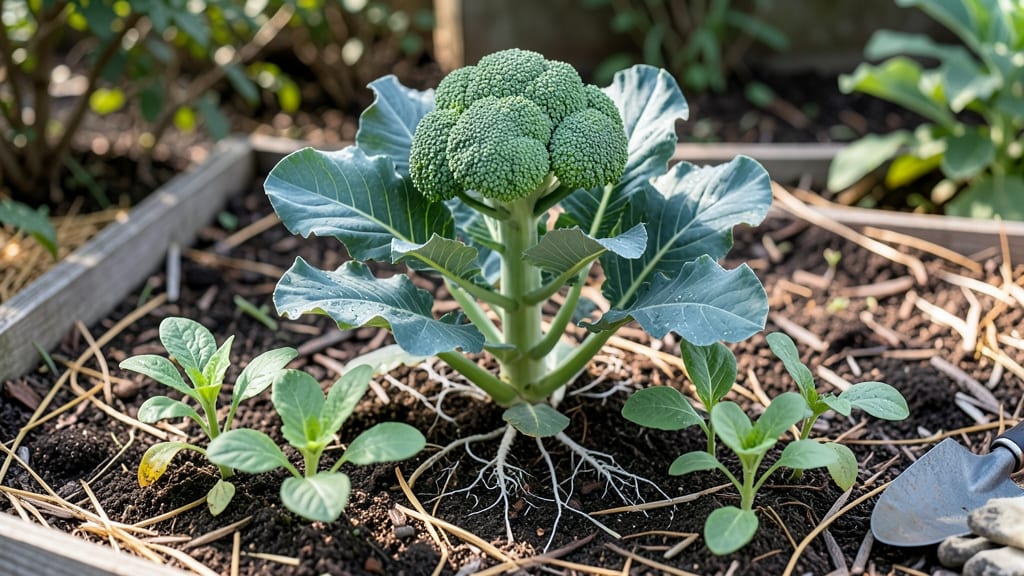
Timing your 🥦 broccoli planting in North Florida could mean the difference between a bountiful harvest and wasted effort. The key lies in understanding your Zone 8a-9a climate—where summer heat can turn your plants bitter and early frosts can ruin tender heads before they form.
Most gardeners in this region know the struggle: plant too early, and your broccoli bolts in the heat; too late, and frost zaps your crop before it matures.
The solution? A precise 60-90 day window before your first frost date—typically between September and October for fall crops, or February and March for spring.
I’ve grown broccoli here for years, and I’ll show you exactly how to time it right—plus which varieties thrive in our humid summers. Whether you’re in Jacksonville, Gainesville, or Tallahassee, these Florida-specific tips will help you avoid common mistakes and maximize your harvest.
Ready to grow healthier, bigger broccoli heads without the guesswork? Let’s dive into the exact planting schedule and care tips tailored for North Florida’s unique growing conditions.
North Florida broccoli planting calendar: exact dates by Zone 8b-9a
North Florida’s Zone 8b-9a climate gives you two prime windows to grow broccoli: fall and spring. The key is planting 60-90 days before frost—too early, and your plants bolt; too late, and heat ruins the flavor.
Jacksonville’s first frost hits around November 15, while Tallahassee’s comes slightly earlier (November 1-10). For spring, aim for February-March to avoid summer’s brutal heat.
Broccoli thrives in cool weather (50-75°F), so soil temperatures below 80°F are critical. Use a soil thermometer to check—if it’s hotter, wait or opt for shade cloth. Heat-tolerant varieties like ‘Waltham 29’ or ‘De Cicco’ handle Zone 9a’s warmth better than standard types.
Here’s your frost-free planting schedule for North Florida’s major cities, adjusted for microclimates:
| Zone & City | Fall Planting Window | Spring Planting Window | First Frost Date | Soil Temp Goal (°F) |
|---|---|---|---|---|
| Zone 8b (Jacksonville) | September 15–October 15 | February 15–March 15 | November 15 | 60-75°F |
| Zone 8a (Gainesville) | September 1–October 10 | February 1–March 10 | November 1-10 | 55-70°F |
| Zone 9a (Tallahassee) | August 15–September 30 | January 15–February 15 | November 1-10 | 65-78°F |
For fall crops, start seeds indoors 6-8 weeks before transplanting (around July 15) or buy 6-inch seedlings from local nurseries like Jacksonville’s The Planting Fields. Harden off seedlings by exposing them to afternoon sun for 1 week before planting.
North Florida’s sandy soil drains too quickly, so mix in 2-3 inches of compost or aged manure to retain moisture. Aim for a pH of 6.0-7.0—test your soil with a kit from UF/IFAS Extension.
If your soil is too acidic (pH < 6.0), add pelletized lime 2 months before planting.
Pro tip: Mulch with straw after planting to keep roots cool and reduce evaporation. In Zone 9a, use 30% shade cloth during summer to prevent bolting. Water deeply 1-2 inches per week, focusing on the root zone to avoid fungal diseases like downy mildew.
Harvest time arrives 60-90 days after transplanting. In North Florida, expect fall harvests in November-December and spring harvests in May-June. Cut heads when they’re 4-6 inches wide and tightly packed—don’t wait for them to flower, or they’ll turn bitter.
After the first harvest, side shoots (smaller heads) will form on the stalks. Keep them well-watered, and you’ll get 2-3 harvests per plant. Save seeds from your healthiest plants for next year’s succession planting—just let a few heads flower and dry on the stalk.
If you miss the fall window, don’t despair. Spring planting in February-March still yields great results. Just watch for cabbage loopers and flea beetles—cover young plants with row fabric until they’re established.
How to extend broccoli season in North Florida’s hot summers
North Florida’s summer heat can turn your 🥦 broccoli into bitter, bolted disappointment—but with the right strategies, you can grow it successfully even in Zone 9a’s sweltering months. The key is choosing heat-tolerant varieties and using shade to protect young plants from temperatures above 85°F.
I’ve found that varieties like ‘Waltham 29’ and ‘De Cicco’ handle our humidity better than standard types.
For summer planting, aim for late July to early August—this gives your broccoli enough time to mature before the first frost in mid-November. However, you’ll need to provide afternoon shade (30-50% shade cloth) to prevent bolting.
Without shade, broccoli heads will turn yellow and flower prematurely, ruining your harvest.
Here’s my 3-step summer-care