
Plants
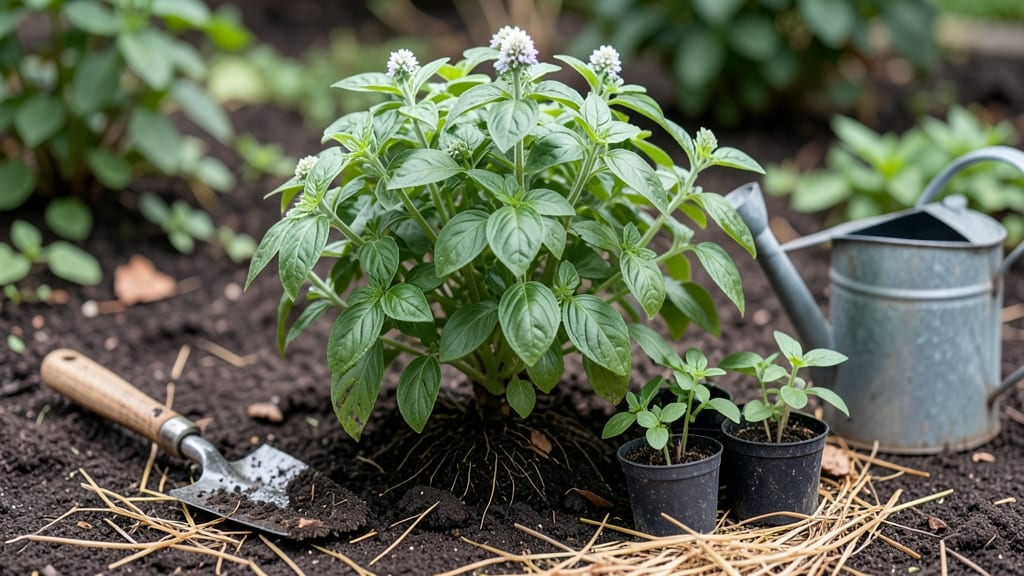
Timing basil planting in Colorado can make or break your harvest—get it wrong, and you might end up with ❄️-damaged seedlings before they even sprout.
Since Colorado’s elevation zones range from 3,000 to over 10,000 feet, frost-free dates vary wildly, and knowing the right window is key to growing lush, flavorful 🌿 basil all season long.
Whether you’re in Denver’s 5b-6a zone or the cooler high country, planting too early risks frost damage, while waiting too long cuts your harvest short.
The ideal window—late April to mid-May for spring or late July to early August for fall—balances warmth and daylight to give your basil the best start.
But here’s the catch: Colorado’s microclimates mean your neighbor’s perfect timing might not work for you. I’ll break down exactly when to plant based on your elevation, plus pro tips for extending your growing season so you can enjoy fresh basil from June through October.
Ready to avoid the common mistakes that kill Colorado basil? Let’s dive into the frost-free dates, soil prep, and seasonal hacks that’ll keep your plants thriving—no matter where you garden in the state.
Colorado’s basil planting calendar by elevation zone
Colorado’s elevation zones create dramatic differences in frost-free dates, so your basil planting window depends entirely on where you live. Lowland areas like Denver (5,000 ft) have earlier last-frost dates than mountain towns like Aspen (8,000 ft), where late frosts can linger until June.
To avoid frost damage to tender basil seedlings, I’ve broken down the ideal planting windows for three key elevation zones—plus how to adjust for microclimates.
For lowland zones (3,000–5,000 ft), like the Front Range, aim to plant basil after April 15, once nighttime temperatures consistently stay above 50°F. In foothills (5,000–7,000 ft), such as Colorado Springs, wait until May 1 to be safe from late frosts.
Meanwhile, gardeners in mountain zones (7,000+ ft), like Durango, should hold off until May 15–June 1, when soil warms enough to support germination.
🌱 Pro Tip: Use a soil thermometer to confirm temperatures are at least 50°F—basil seeds won’t sprout below this mark, no matter how eager you are to plant!
| Elevation Zone | Last Frost Date | Ideal Planting Window | Fall Planting Window | Notes |
|---|---|---|---|---|
| Lowland (3,000–5,000 ft) | April 15 | Late April–Mid-May | Late July–Early August | Denver, Fort Collins; earliest zone |
| Foothills (5,000–7,000 ft) | May 1 | Early–Mid-May | Early–Mid-August | Colorado Springs, Boulder; moderate risk |
| Mountain (7,000+ ft) | May 15–June 1 | Late May–Early June | Mid–Late August | Aspen, Durango; latest zone |
Microclimates can shift these dates by 1–2 weeks, so pay attention to your specific location. For example, urban heat islands in Denver can warm soil faster, while valleys hold cold air longer.
If you’re unsure, check your local CoCoRaHS weather station or ask neighbors with established gardens—they’ve likely already learned the hard way!
For fall harvests, plant basil 8–10 weeks before your first frost. In lowland zones, that’s late July to early August; in mountain areas, aim for mid-August. Fall basil thrives in cooler weather and often produces sweeter leaves as days shorten.
🌡️ Watch Out: Even if your zone’s average last frost has passed, a late-season freeze can still strike. Monitor the National Weather Service for alerts and keep row covers handy—your basil’s survival depends on it!
Once you’ve nailed the planting window, the next step is extending your harvest. Whether you’re in a lowland or mountain zone, indoor containers and row covers can add weeks—or even months—to your basil’s productive life. I’ll cover those strategies in the next section, so stay tuned!
How to extend your basil growing season in Colorado
Colorado’s short growing season doesn’t have to limit your basil harvest. With the right strategies, you can enjoy fresh basil from early June through October, even in mountain zones where frost lingers. The key is combining indoor starts, season-extending tools, and cold-tolerant varieties to beat the odds.
I’ve tested these methods in my own garden—some work better than others, so I’ll share what’s proven to succeed.
Start by planting basil indoors 6–8 weeks before your last frost date. Use seed-starting trays with a grow light or place them near a south-facing window where they’ll get 12–14 hours of light daily.
Seedlings need warmth (70–75°F) to germinate, so a heat mat helps speed up the process. Once true leaves appear, harden them off by gradually exposing them to outdoor conditions for 1–2 hours daily before transplanting after the last frost.
- 1 Indoor Starts: Sow seeds March 1–April 15 (lowland) or April 15–May 1 (mountain zones) for early harvests.
- 2 Row Covers: Extend harvest by 2–4 weeks by using lightweight fabric covers to protect from late frosts (28°F tolerance).
- 3 Cold-Hardy Varieties: Try 'Spicy Globe' or 'Dark Opal'—they tolerate cooler temps better than Genovese.
- 4 Containers: Move pots indoors before first frost (October 15 in lowlands) and place near a sunny window or under LED grow lights.
- 5 Fall Planting: Sow seeds July 15–August 15 for a second harvest before winter—fall basil often tastes sweeter!
For mountain gardeners, row covers are a game-changer. These lightweight fabrics (like Reemay) protect seedlings from 28°F temperatures and can extend your harvest by 2–4 weeks. Just
Don’t overlook container gardening as a way to move basil indoors before the first frost. Choose 5–7 gallon pots with drainage holes and place them near a south-facing window or under full-spectrum LED grow lights (12–14 hours/day). Reduce watering to every 5–7 days once indoors, as containers dry out faster. With this setup, I’ve kept basil thriving through December in my Denver kitchen!
💡 Bonus Tip: If you’re short on sunlight indoors, try a reflective surface (like aluminum foil on walls) to bounce extra light onto your basil. This trick can boost growth by 30% in low-light conditions.
Finally, consider fall planting for a second harvest. Sow seeds July 15–August 15 in lowland zones or August 1–15 in mountain areas. Fall basil often produces sweeter, more aromatic leaves as days shorten, and you’ll avoid the bolting (premature flowering) that plagues summer plants.
Just be sure to harvest before the first hard frost—your basil will thank you with a flavor explosion!