
Plants
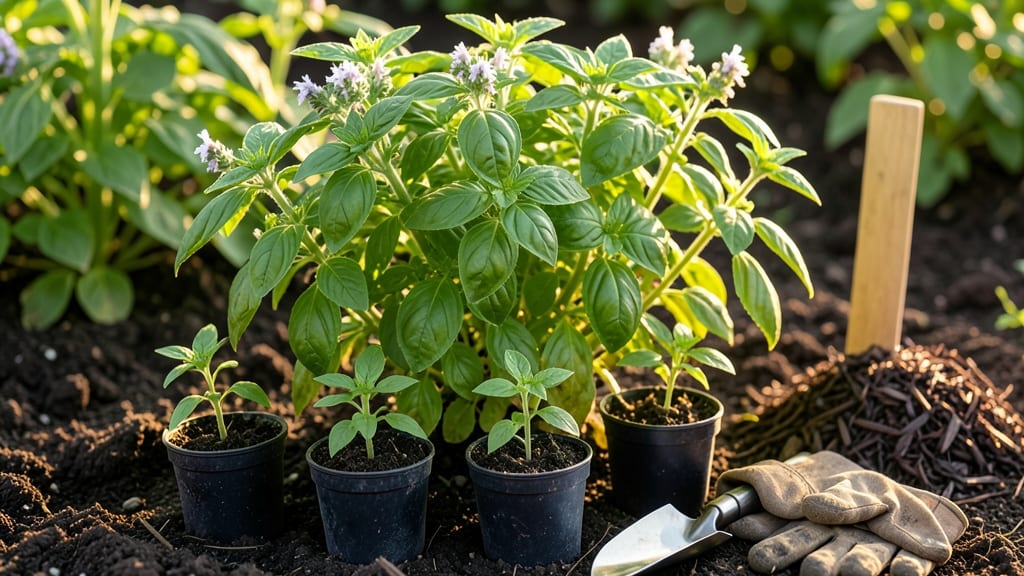
If you’ve ever planted basil in Virginia only to watch it bolt or wilt before summer even kicks in, you’re not alone. The key to growing lush, flavorful 🌿 basil in 7a-8a zones isn’t just about sunshine—it’s about planting at the perfect moment when soil temperatures and frost risks align.
Most gardeners in Virginia make one of two mistakes: planting too early when chilly nights linger or waiting too long and missing the ideal April 15–May 15 window.
But here’s the game-changer—by choosing heat-tolerant varieties and adjusting for your specific region (Northern vs. Southern Virginia), you can extend your harvest from June all the way through October.
In this guide, I’ll break down the exact planting timeline, soil temperature secrets, and which basil types thrive in Virginia’s humidity. Whether you’re starting seeds indoors or transplanting outdoors, you’ll learn how to avoid common pitfalls and keep your basil thriving even when summer heat peaks.
Ready to turn your garden into a year-round basil powerhouse? Let’s dive into the strategies that’ll keep your plants happy—and your pesto fresh—for months.
Best planting times for basil in Virginia: avoid early spring & late fall mistakes
Timing your basil planting in Virginia is everything—get it wrong, and you’ll end up with leggy, flavorless plants that bolt too quickly. The Old Dominion’s climate (USDA zones 7a-8a) gives us two distinct windows: spring and late summer.
But rushing too early or waiting too late can spell disaster for your herb garden.
Most gardeners in Virginia focus on spring planting (after the last frost), but summer transplants can also work if you choose the right heat-tolerant varieties. The key is waiting until the soil warms to at least 50°F—cold soil stunts root growth, leaving plants vulnerable to disease.
Northern Virginia (like Arlington or Winchester) has later last frost dates (April 10), while Southern Virginia (like Richmond or Norfolk) warms up faster, often by March 20. Always check your local frost-free date—planting too soon risks frost damage, even if seedlings seem hardy.
Here’s the golden rule: Never plant basil outdoors before April 15 in most of Virginia. Even if your frost date passed earlier, cool nights and chilly soil will slow growth dramatically. Patience here pays off with bushier plants and better flavor.
For container gardening, you can push boundaries slightly—pots warm up faster than soil, so you might transplant 2 weeks earlier in containers. But always harden off seedlings first: expose them to outdoor conditions for 1-2 hours daily for a week before full transplant.
If you’re starting basil seeds indoors, begin them 6-8 weeks before your last frost date. Use grow lights if natural light is limited—basil seedlings need 12+ hours of light daily to avoid stretching. Transplant outdoors only after nighttime temps stay above 50°F.
One common mistake? Planting too close together. Basil needs 12-18 inches between plants for airflow—crowded plants develop fungal diseases like downy mildew, which thrives in Virginia’s humidity. Space is your best defense against leaf spot and wilting.
Pro tip: Mark your calendar for August 1—this is the last chance to plant basil for a fall harvest. Use shade cloth to protect seedlings from the midday sun while they establish roots. With proper care, you can harvest basil until October 15 in most of Virginia.
Remember, basil is a warm-season herb—it won’t tolerate frost at any stage. If a late frost sneaks in after planting, cover seedlings with row fabric or a cloche. But don’t delay planting just to avoid frost—cool soil is a bigger enemy than a few chilly nights.
For Northern Virginia gardeners, aim for May 1 as your cutoff—after that, the heat and humidity can stress basil plants. Southern Virginia growers have until May 15, but watch for powdery mildew in late summer if humidity spikes above 70%.
Best planting times for basil in Virginia: avoid early spring & late fall mistakes
Timing is everything when growing basil in Virginia, where USDA zones 7a-8a bring warm summers but unpredictable spring frosts. Plant too early, and cold snaps will kill your seedlings; wait too long, and summer heat arrives before your plants mature.
The ideal window is April 15–May 15, after the last frost date (typically March 15–April 10), when soil temperatures reach at least 50°F.
Northern Virginia (zone 7a) has a shorter growing season, so aim for April 15–May 1 to maximize harvests before fall. Southern Virginia (zone 8a) can push planting until May 15, giving plants extra time to establish before summer’s peak.
Always check your local frost-free date—delaying planting by even a week can mean the difference between a thriving basil patch and a sad, leggy failure.
🌱 Key Takeaway: Basil hates cold soil and frost. Use a soil thermometer to confirm temperatures before planting—50°F is the minimum for seed germination, and 60°F+ accelerates growth. If your soil is cooler, start seeds indoors 6–8 weeks before your last frost date for a head start.
| Factor | Northern Virginia (Zone 7a) | Southern Virginia (Zone 8a) |
|---|---|---|
| Last Frost Date | March 15–April 10 | March 1–April 5 |
| Ideal Planting Window | April 15–May 1 | April 20–May 15 |
| Soil Temperature Threshold | 50°F (minimum) | 50°F (minimum) |
| Harvest Window | June–September | June–October |
| Late Planting Risk | Short harvest before frost | Heat stress in August |
If you miss the spring window, don’t despair—basil can also be planted in late summer (around August 1–15) for a fall harvest. Choose heat-tolerant varieties like Thai basil or Spicy Globe, which handle Virginia’s humidity better than traditional Genovese.
Just be prepared to harvest quickly before the first frost (typically October 20–November 10), as basil won’t survive freezing temperatures.
Pro tip: Use black plastic mulch or row covers to warm soil faster in early spring, giving your basil a 2–3 week head start. This trick is especially useful in Northern Virginia, where cooler soils delay germination.
Pair it with a south-facing garden bed to maximize sunlight exposure—basil needs 6–8 hours of direct sun daily to thrive.
Remember, basil is frost-sensitive, so always monitor weather forecasts. If a late frost is predicted after planting, cover seedlings with frost cloth or a clear plastic dome to protect them.
With the right timing and care, you’ll enjoy fresh basil from June through October—plenty for pesto, salads, and summer dishes!