
Plants
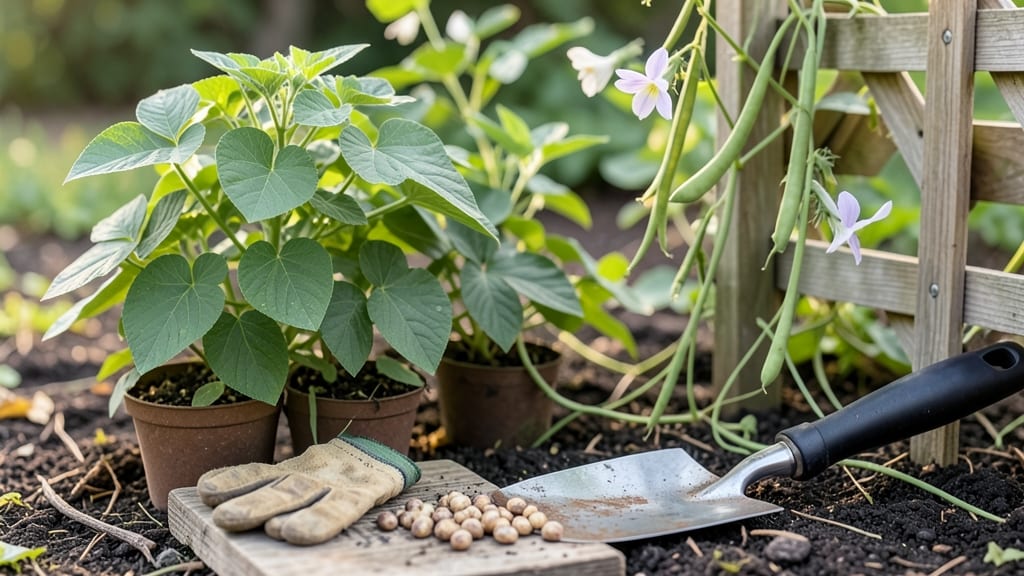
If you’ve ever stared at a packet of bean seeds wondering, "when to plant beans in Missouri", you’re not alone. Missouri’s 5b-6b climate throws curveballs with unpredictable frost dates—plant too early, and a late freeze wipes out your crop; too late, and you’ll miss peak harvests.
The key? Timing it right for your specific bean variety, whether it’s bush beans or pole beans.
Most Missouri gardeners swear by planting 🌱 beans between mid-April and late June after the last frost, but fall varieties can also thrive if seeded in late July.
The secret lies in soil temperatures hitting 60°F and counting 165 frost-free days to maturity. Skip the guesswork and learn the exact windows that work for your zone.
In this guide, I’ll break down the best planting times for Missouri’s top varieties, from frost-resistant bush beans to space-saving pole beans. You’ll also discover how to adjust for wet springs or drought risks—because even the most patient gardener can’t control the weather.
Let’s get those seeds in the ground the right way.
Ready to grow a bumper crop? By the end, you’ll know exactly when to plant for maximum yields, whether you’re a beginner or a seasoned Missouri gardener. No more second-guessing—just successful harvests from June through October.
Missouri bean planting timeline: frost dates and soil temperatures by variety
Missouri’s Zone 5-6 climate demands precision when planting beans—frost dates shift yearly, and soil temperatures must hit 60°F+ for germination. Most regions experience their last frost between April 15 and May 15, but microclimates (like St. Louis vs. Kansas City) can vary by 2-3 weeks.
To maximize yields, align your planting with these frost-free windows, adjusted for bean type.
Pole beans (Kentucky Wonder, Rattlesnake) thrive with longer growing seasons (90+ days), while bush beans (Blue Lake, Tendergreen) mature faster (50-60 days).
Planting too early risks frost damage; too late, and you’ll miss peak harvests. Use soil thermometers to confirm readiness—cold soil delays sprouting, even after frost danger passes.
🌱
| Variety Type | Planting Window | Soil Temp Requirement | Days to Maturity | Missouri Notes |
|---|---|---|---|---|
| Pole Beans (e.g., Kentucky Wonder) | May 1–May 15 (after frost) | 60°F+ | 90–120 days | Needs trellis; plant early for long harvest. |
| Bush Beans (e.g., Blue Lake) | April 20–May 10 | 60°F+ | 50–60 days | Faster harvest; ideal for short seasons. |
| Heirloom (e.g., Romano) | May 10–June 1 | 65°F+ | 70–80 days | Heat-tolerant; plant late for summer harvests. |
| Fall Varieties (e.g., Contender) | July 15–August 1 | 60°F+ | 50–60 days | Short-day varieties; harvest before frost. |
For northern Missouri (Zone 5b), wait until May 1 to plant pole beans—earlier sowings risk late frosts. In southern Missouri (Zone 6b), you can start bush beans as early as April 20, but monitor soil temperatures closely.
Pro tip: Use black plastic mulch to warm soil faster in cooler areas.
Missouri’s humidity and afternoon thunderstorms can delay planting. If rain keeps you from sowing by May 15, opt for fast-maturing bush varieties like Tendercrop (49 days). These thrive even in late starts and resist common diseases like bean rust, which peaks in June.
🌿
Don’t overlook fall planting! Missouri’s second planting window opens in mid-July for short-day beans. These varieties (like Contender) mature before first frost (mid-October). To succeed, use row covers to extend the season and protect from Mexican bean beetles, which surge in late summer.
Test your soil’s pH (6.0–7.0) before planting—Missouri’s clay-heavy soils often need compost or aged manure to improve drainage. Amend beds in early spring so they’re ready when frost dates pass. For container growing, use well-draining mixes and plant 1–2 weeks earlier than ground plantings, as pots warm faster.
🪴
Track your local frost dates using the Missouri State Climate Office or Almanac’s Frost Calculator. In 2023, St. Louis saw a late frost on April 28, while Columbia avoided frost until May 5.
Plan for 2–3 weeks after the average last frost to account for variability. For pole beans, start seeds indoors 2–3 weeks before your target outdoor date to jumpstart growth.
Finally
5 Critical factors that determine the best planting time for Missouri beans
Missouri’s spring frost dates are just the starting point—soil temperature, humidity, and even Mexican bean beetle activity can shift your ideal planting window by weeks. Let’s break down the 5 key factors that turn a guess into a guaranteed harvest.
First, soil temperature is non-negotiable. Beans need soil at 60°F or warmer to germinate reliably. In Missouri’s Zone 5-6, this typically means waiting until mid-May in northern regions (like St. Louis) or early May in southern areas (e.g., Springfield). Use a soil thermometer—don’t rely on air temperature alone!
Humidity and rainfall also play a sneaky role. Missouri’s wet springs can delay planting if soil stays too soggy. Aim for 1-2 weeks after the last frost when the ground is workable but not waterlogged. Pro tip: Plant in raised beds if your yard tends to stay damp.
- 1. Soil temp ≥60°F (use a thermometer!)
- 2. 1-2 weeks post-last frost (verify locally)
- 3. Day length ≥14 hours (boosts growth)
- 4. Low humidity (reduces disease risk)
- 5. Pest pressure (watch for Mexican bean beetles)
Don’t overlook day length. Beans thrive with 14+ hours of daylight, which Missouri hits by early June. Planting too early means slower growth—wait until late May for optimal light exposure. For a second crop, try late July plantings for fall harvests before frost.
Pest timing is another game-changer. Mexican bean beetles emerge in late May to June in Missouri. Start early varieties (like ‘Blue Lake’) before beetles arrive, or use row covers for protection. Avoid planting after June 15 unless you’re prepared for beetle battles.
Finally, microclimates matter. Urban areas (like Kansas City) often warm up faster than rural farms. Check your local frost records—Missouri’s last frost can vary by 2-3 weeks between north and south. Use the Missouri Botanical Garden’s frost map as your guide.