
Plants
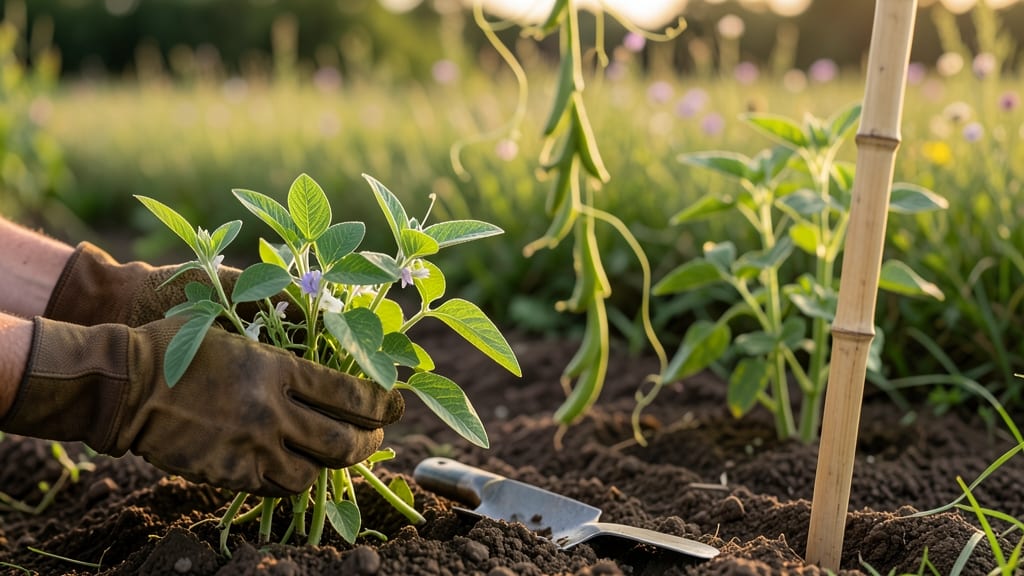
Knowing when to plant beans in Virginia is the key to a thriving garden—timing your 🌱 beans just right could mean the difference between a bumper crop and a garden full of disappointment.
The secret lies in waiting for that perfect window when soil warmth finally kicks in—usually after April 15—to ensure your seeds sprout reliably instead of sitting dormant.
Most gardeners in zones 7a-8a make the mistake of planting too early, only to watch their seeds rot in cold soil. I’ve learned the hard way that soil temperature matters more than calendar dates, and there’s a science to getting it just right for both spring and fall plantings.
Whether you’re growing bush beans or pole varieties, this guide will walk you through the exact planting windows, soil prep tricks, and even how to extend your harvest with smart succession planting. No more guessing—just reliable, tasty beans all season long.
Let’s dive into the Virginia-specific timing secrets that’ll have your beans thriving from June through October, no matter where you are in the state.
Virginia bean planting calendar: best months by region and soil temperature
Timing is everything when planting beans in Virginia, where soil temperature and last frost dates vary dramatically from the mountains to the coast. Unlike cooler crops, beans need warm soil (50°F+) to germinate, and planting too early can leave your seeds sitting in cold, damp earth for weeks.
Let’s break down the ideal planting windows for Northern, Central, and Southern Virginia, plus how to adjust for your microclimate.
Virginia spans USDA Zones 7a-8a, meaning frost dates shift from late April in the mountains to mid-March near the coast. For bush beans and pole beans, aim to plant when soil temps hit 60°F or warmer—this ensures reliable germination in 5-10 days.
If you’re in doubt, use a soil thermometer (more on that later!) to check before sowing.
Here’s how to align your planting with Virginia’s three distinct regions, accounting for last frost dates and heat tolerance of your chosen varieties. Pro tip: Heat-tolerant varieties like ‘Blue Lake’ or ‘Contender’ can handle late-spring plantings better than delicate types like ‘Kentucky Wonder.’
Virginia Bean Planting Calendar by Region
Adjust for your microclimate (e.g., valleys vs. ridges) and soil warmth.
| Region | Last Frost Date | Ideal Planting Window | Soil Temp Requirement | Succession Planting | Fall Planting Window |
|---|---|---|---|---|---|
| Northern VA (Zones 7a) | April 15–May 1 | May 1–June 1 | 60°F+ | Every 2 weeks until July 1 | August 15–September 15 |
| Central VA (Zones 7b) | April 1–April 15 | April 15–May 15 | 55°F+ | Every 2–3 weeks until July 15 | August 1–September 10 |
| Southern VA (Zones 8a) | March 15–April 1 | March 30–May 10 | 50°F+ | Every 3 weeks until August 1 | August 10–October 1 |
⚠️ Note: Coastal areas (e.g., Norfolk) can plant 2 weeks earlier than inland zones.
If you’re in Northern Virginia (Zone 7a), wait until after May 1 to plant—soil in April is often too cold, even if daytime temps feel warm.
For Central Virginia (Zone 7b), you can start as early as mid-April in sheltered microclimates (like south-facing slopes), but most gardeners play it safe with late April plantings. Southern Virginia (Zone 8a) offers the longest season: you can even try late February plantings in protected beds with row covers.
For fall plantings, focus on heat-tolerant varieties like ‘Iron Clay’ or ‘Rattlesnake Bean’—these handle late-summer heat better than standard types. In Northern VA, aim for August 15; in Southern VA, you can push it to early October if you use black plastic mulch to extend warmth.
Just remember: beans need 60 days of warm weather to mature, so time your last planting to finish before the first frost (Oct 15).
Microclimates matter! A valley garden might be 2–3 weeks later to warm up than a ridge or south-facing slope. If your area has late frosts (common in the Blue Ridge Mountains), err on the side of planting later or use row covers for early sowings.
And if you’re near the coast, salt spray can stress young plants—choose drought-tolerant varieties like ‘Purple Podded’ beans.
Pro move: Test your soil temperature for 3–5 days before planting. Stick a soil thermometer 2 inches deep (where seeds will be) and check in the late afternoon. If temps dip below 55°F, wait another week—cold soil = slow or failed germination.
For a head start, lay down black plastic mulch 1–2 weeks before planting to warm the soil faster.
Don’t forget: Succession planting is key for a continuous harvest. In Central VA, for example, plant every 2 weeks from May to July to enjoy beans from June through September.
Use fast-maturing varieties (50–55 days) for early batches and longer-season types (60+ days) for later plantings. This strategy works especially well with pole beans, which produce over a longer period.
For container gardening, warm soil heats up faster, so you can plant 1–2 weeks earlier than in-ground. Just ensure your pots have drainage holes and use lightweight potting mix—beans hate soggy roots.
And if you’re in a shady spot, opt for bush beans (they tolerate partial shade better than pole beans) and plant closer to the last frost date when soil is warmest.
How to test soil warmth for beans: DIY methods for perfect germination timing
Bean seeds need soil temperatures above 60°F to germinate reliably. If you plant too early, your seeds may rot in the cold ground instead of sprouting. I’ve learned the hard way—last spring, my beans took three weeks to emerge because the soil stayed too cool.
Here’s how I now check soil warmth before planting to avoid wasted effort.
First, grab a soil thermometer (they’re cheap and available at garden centers). Stick it 2-3 inches deep—this is where bean seeds will be planted—and check the temperature in the late afternoon when soil is warmest. Aim for consistent readings of 60°F+ for at least 3-5 days before planting.
If your soil is still cold, don’t panic! You can warm it up naturally by covering the planting area with black plastic mulch for a few days before sowing.
This trick raises soil temps by 10-15°F and speeds up germination. Just remove the plastic right before planting to avoid overheating the seeds.
Another quick trick? Use the "seed packet rule": Most bean seed packets list a minimum soil temperature for germination (usually 50-60°F). If your soil is below that, wait.
Patience here saves you from moldy seeds and failed crops. I also like to plant early varieties like 'Blue Lake' first—they tolerate slightly cooler soil better than heat-loving types.
For those in Southern Virginia (Zone 8a), soil warms faster, so you can plant 2-3 weeks earlier than Northern regions. But everywhere, late May is the safest bet for main-season planting.
If you’re eager to start sooner, try a mini greenhouse or cold frame to give seeds a head start in cooler soil.
Pro tip: Water the soil first before checking temperature—moist soil gives more accurate readings. And if you’re planting in containers or raised beds, they warm up faster than in-ground soil, so you can plant 1-2 weeks earlier in these spots.
Once your soil hits the sweet spot, your beans will sprout in 5-10 days instead of weeks. That’s the difference between a bountiful harvest and a frustrating wait! 🌱