
Plants
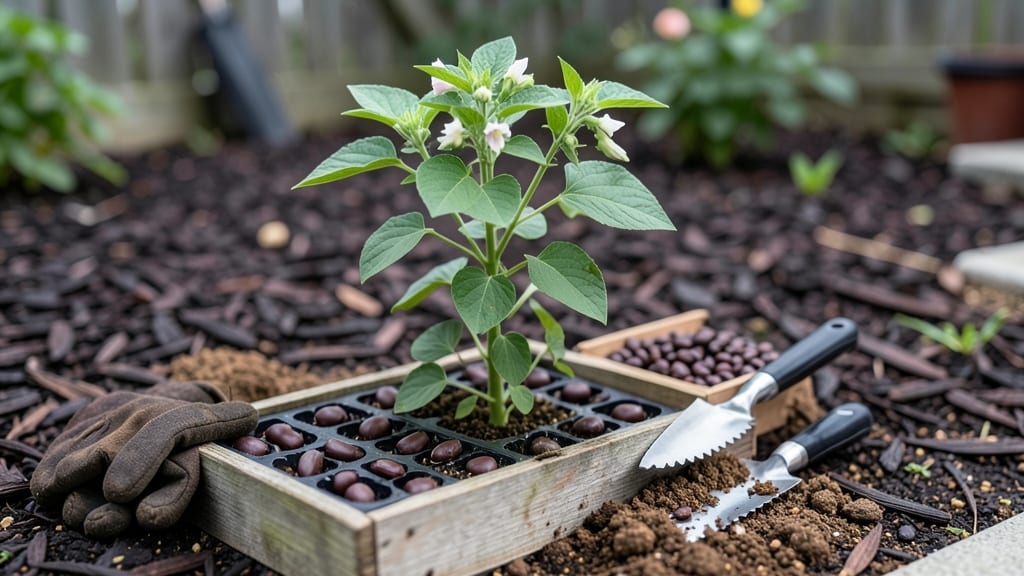
Knowing when to plant beans in Zone 5 can turn a patch of soil into a productive harvest—or leave you staring at wasted seeds. These warm-weather lovers demand precision, and getting the timing right means the difference between a bountiful summer crop and a disappointing flop.
For Zone 5 gardeners, the sweet spot arrives when soil temperatures hit 60°F and the last frost has faded into memory—typically between mid-April and early June. But here’s the catch: rushing too early can shock tender seedlings, while waiting too long might leave you scrambling for a fall harvest.
The key is balancing patience with opportunity.
Whether you’re growing bush beans for quick pickings or pole varieties for a towering harvest, this guide breaks down the exact windows, soil prep secrets, and even how to squeeze in a second crop before frost. Let’s make sure your beans thrive—not just survive.
From frost dates to soil warmth tricks, I’ll walk you through everything you need to know to time your planting like a pro. Ready to turn your garden into a bean bonanza? Let’s get started.

Zone 5 bean planting timeline: frost dates & soil temperature rules
Getting your bean planting right in Zone 5 depends on two key factors: soil temperature and frost dates. Beans are warm-season crops that won't germinate until the soil reaches at least 60°F.
In Zone 5, this typically happens between mid-April and early May, but exact timing varies by year and microclimate. Planting too early risks frost damage, while waiting too long may shorten your harvest window.
Most Zone 5 gardeners aim for a spring planting window between April 15 and May 15, aligning with the average last frost date of mid-May. However, cooler springs or high-elevation areas might push this back to early June.
Always check your local frost forecast and use a soil thermometer to confirm readiness—this simple tool prevents costly mistakes.
For a second harvest, you can plant a late-season crop between July 15 and August 15. This works because beans mature quickly (50-75 days), allowing time for pods to form before the first frost in mid-October.
Just be sure to use cold-tolerant varieties like 'Blue Lake' or 'Kentucky Wonder' for better success.
🌱
If you're unsure about your local frost dates, consult the USDA Plant Hardiness Zone Map and check resources like the Old Farmer’s Almanac for your specific area. Northern Zone 5 (e.g., Minneapolis, Buffalo) tends to have later last frosts (May 20–June 1), while southern Zone 5 (e.g., St. Louis, Cincinnati) may see frost-free soil by April 20.
Adjust your planting date accordingly.
For pole beans, which take longer to mature, start seeds indoors 4–6 weeks before your last frost date.
This gives them a head start and extends your harvest window. Bush beans, on the other hand, can be direct-sown as soon as the soil is warm enough—no need for indoor starts unless you're dealing with an unusually short growing season.
Pro tip: Plant a test row of beans a week before your target date. If they sprout within 7–10 days, your soil is warm enough for the full planting.
If not, wait another week. This simple trick saves you from guessing and ensures your entire crop gets off to a strong start.
🌿
Don’t forget to prepare your soil before planting. Beans thrive in well-draining, slightly acidic soil (pH 6.0–7.0) with plenty of organic matter. Work in compost or aged manure a few weeks before planting to improve fertility.
Avoid fresh manure, which can burn young seedlings. A light application of balanced fertilizer (5-10-10) at planting time also helps kickstart growth.
Once your beans are in the ground, maintain consistent moisture—especially during flowering and pod development. Let the top inch of soil dry out between waterings, but avoid soggy conditions, which can lead to root rot.
Mulching with straw or grass clippings helps retain moisture and keeps soil temperatures stable, encouraging faster germination and growth.
☀️
Zone 5 bean planting timeline: frost dates & soil temperature rules
In Zone 5, timing your bean planting is all about balancing last frost dates and soil temperature. Beans are sensitive to cold, so waiting until the soil warms to at least 60°F is critical.
For most of Zone 5, this typically lands between mid-April and early June, but your exact window depends on your local microclimate.
First, check your average last frost date, which usually falls around April 15–May 15. However, late spring frosts can still sneak in, so always be ready to protect young plants with row covers or move them indoors temporarily if nighttime temps dip below 50°F.
🌱
| Planting Window | Soil Temp Requirement | Last Frost Risk | Action |
|---|---|---|---|
| Mid-April to late May | 55–60°F (use black plastic mulch if needed) | High (late frosts common) | Plant cold-tolerant varieties (e.g., 'Provider') and use row covers |
| Early June to mid-July | 60–70°F (ideal for most beans) | Low (safe after last frost) | Best time for bush and pole beans; no frost protection needed |
| Late July to mid-August | 60°F+ (soil stays warm longer) | None (fall crop) | Plant for late-season harvest; use fast-maturing varieties |
If you’re planting in late spring (May–June), aim for varieties like 'Blue Lake' or 'Kentucky Wonder', which thrive in warmer soil. For a fall crop, start seeds indoors in late July and transplant after Labor Day, targeting a harvest before the first frost in mid-October.
Pro tip: Use a soil thermometer to confirm warmth before planting. If your soil is still chilly, try black plastic mulch or a cold frame to speed up warming. This is especially helpful in northern Zone 5 areas like Minnesota or upstate New York, where frosts linger longer.
Don’t forget that pole beans need extra time to mature, so plant them 2–3 weeks earlier than bush varieties. This gives them a head start in the shorter Zone 5 growing season.
✂️