
Plants
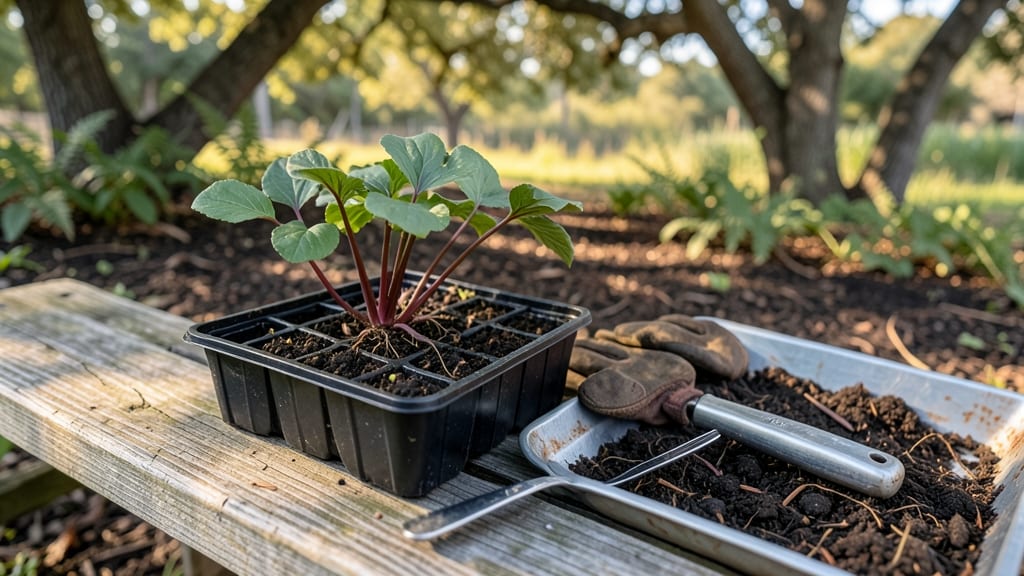
Knowing when to plant beets in Central Florida can mean the difference between sweet, tender harvests and bitter, bolted disappointment—especially when summer heat turns your garden into a sauna. The key? Timing your seeds for cooler months when 🍠 thrives without rushing to maturity.
Central Florida’s frost-free winters and sweltering summers create unique challenges, but with the right approach, you can grow beets year-round. Whether you’re aiming for fall crops that mature before the heat peaks or spring plantings that avoid bolting, the window between September and March offers the perfect balance.
I’ll break down the exact months to plant, heat-tolerant varieties that perform best, and pro tips to beat Florida’s sandy soil and pests. By the end, you’ll know not just when to plant, but how to maximize your harvest—even in the heart of summer.
Ready to turn your garden into a beet bonanza? Let’s dive into the secrets that make Central Florida’s growing season work for you.
Best planting months for beets in Central Florida’s climate zones
Central Florida’s USDA zones 8b-9a mean we can grow beets year-round—but only if we time it right. Unlike northern gardens, we don’t have to worry about frost, but we do face brutal summer heat that sends beets bolting faster than you can say "sweet harvest."
The sweet spot? Planting between September and March when daytime temps stay below 85°F.
Fall plantings (September–October) give you beets ready for holiday harvests, while winter (December–February) crops thrive in mild conditions. Spring (March) is a riskier window—heat arrives fast, so choose bolting-resistant varieties. Avoid planting in summer months unless you’re using shade cloth and heat-tolerant seeds.
Here’s the breakdown of ideal planting months based on Central Florida’s microclimates, from Orlando’s urban heat islands to Ocala’s cooler highlands:
| Season | Planting Window | Harvest Window | Key Notes |
|---|---|---|---|
| Fall | September–October | November–December | Best for sweet roots; temps 75–85°F |
| Winter | December–February | January–March | Slow growth; protect from light frosts |
| Spring | March (early) | April (limited) | High bolting risk; use shade cloth |
| Summer | Avoid (unless shaded) | N/A | Bolting guaranteed; temps >90°F |
For urban Orlando gardens, plant in September or March to avoid heat stress. In rural areas like Ocala, you can push plantings into early April thanks to cooler nights. Always check your local microclimate—even a 5-mile difference can shift your ideal window by a week.
Pro tip: Use succession planting every 2–3 weeks in fall/winter to ensure a continuous harvest. For example, sow seeds in September, October, and November for beets ready in November, December, and January. This beats the "all at once" harvest trap.
Now, let’s talk soil prep. Central Florida’s sandy soil drains too fast for beets—amend with 2–3 inches of compost or aged manure before planting. Mix in a balanced 5-10-10 fertilizer to boost root development, but avoid nitrogen-heavy mixes that favor leaves over roots.
If you’re planting in containers or raised beds, use a well-draining potting mix with added perlite. Containers heat up faster in Florida’s sun, so place them in partial shade during summer afternoons. Mulch with straw or pine needles to retain moisture and keep roots cool.
Remember: Beets need consistent moisture—let the soil dry out, and they’ll bolt. Water deeply every 2–3 days in fall/winter, and daily in summer if shaded. Early morning watering prevents fungal diseases like leaf spot, which thrives in Florida’s humidity.
With these timing and care tips, you’ll skip the bolting blues and enjoy sweet, tender beets straight from your Central Florida garden—no matter the season. Next up: heat-tolerant varieties that push your planting windows even further! 🌱
Top heat-tolerant beet varieties for Florida’s summer heat
Central Florida’s summer heat can turn beets into bitter, bolted failures—but the right heat-tolerant varieties let you push your planting windows. While most gardeners avoid summer sowing, varieties like ‘Boltardy’ and ‘Detroit Dark Red’ thrive in 85°F+ temperatures and resist bolting.
These aren’t just survivors; they deliver sweeter, firmer roots even when other plants wilt.
For fall and winter plantings, focus on varieties with bolting resistance and fast maturity. ‘Chioggia’ (with its stunning striped roots) and ‘Golden’ (mild, sweet flavor) are top picks for September–March gardens.
If you’re experimenting with summer shade-cloth plantings, ‘Detroit Dark Red’ and ‘Cylindra’ (long, cylindrical roots) hold up best under partial shade.
Here’s how these varieties stack up for Central Florida’s climate, ranked by heat tolerance, sweetness, and growth speed:
For summer plantings, ‘Bolt