
Plants
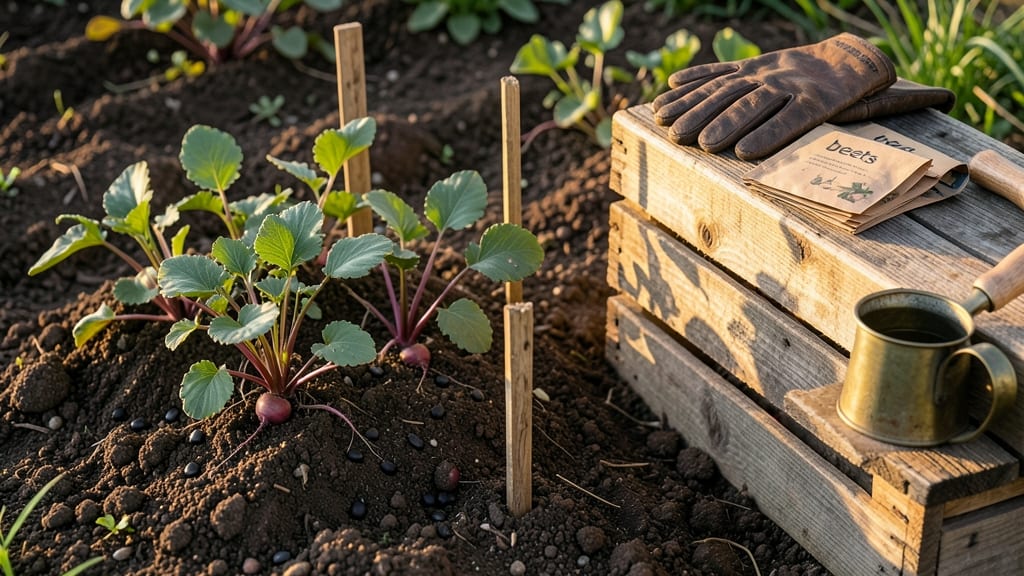
If you’ve ever wondered why your 🍠 beets turn woody or bolt too early, the answer lies in Indiana’s unique frost dates—and planting them at the wrong time can ruin your harvest before it starts.
Timing is everything for these cold-hardy veggies, and Indiana’s USDA Zone 6a climate gives you two prime windows to maximize sweet, tender roots. Whether you’re a first-time gardener or a seasoned green thumb, knowing the exact weeks before last frost (usually March 15–April 15) is the key to success.
But here’s the secret: Spring isn’t the only game in town. A late-summer planting in July or August can extend your harvest into crisp fall months—just avoid the October 15 first frost.
I’ll break down the best varieties, soil temps, and pro tips to ensure your beets thrive from seed to table.
Ready to grow beets that taste like they came from a farmers’ market? Let’s dive into the exact schedule, common mistakes to avoid, and how to keep your harvest going all season long.
Indiana’s best planting windows for beets: weeks before last frost & fall success
Indiana’s cool climate makes it perfect for growing beets, but timing your planting is critical to avoid bolting or poor yields. Beets thrive in USDA Zones 5-6, where the last frost typically falls between March 15–April 15.
Planting too early risks frost damage, while waiting too long can lead to woody roots.
For the best results, aim to sow seeds 4–6 weeks before your last spring frost. In Indiana, this usually means starting in mid-March to early April. A second planting in late July can extend your harvest into fall, allowing you to enjoy fresh beets well into October.
Beets are cold-hardy and can even tolerate light frosts, but soil temperatures matter most. Wait until the ground warms to at least 45°F (7°C)—a simple soil thermometer makes this easy to check. Cold soil slows germination, so don’t rush planting if temperatures are still chilly.
Here’s a quick guide to Indiana’s ideal planting windows for beets:
Fall planting is a game-changer for Indiana gardeners. By sowing seeds in late July or early August, you’ll have beets ready to harvest just as summer heat fades.
This method avoids the bolting that often plagues late-spring plantings when days grow longer. For a continuous supply, stagger plantings every 2–3 weeks from spring through summer.
Succession planting is especially useful in Indiana’s variable climate. If you miss the spring window, don’t despair—beets are forgiving. Just ensure your soil is loose and well-draining to prevent rot, and keep weeds at bay. A thick mulch layer helps retain moisture and keeps roots cool during hot spells.
One common mistake is planting beets too close together. Crowded plants compete for nutrients, leading to small, misshapen roots. Space seeds 1–2 inches apart and thin seedlings to 3 inches once they’re 2 inches tall. This gives roots room to grow plump and sweet.
Indiana’s humid summers can also encourage fungal diseases like leaf spot. To prevent this, water at the base of plants in the morning and avoid overhead sprinkling. A balanced 5-10-10 fertilizer applied lightly at planting and again in early summer keeps growth steady without overfeeding.
For the most reliable harvests, mark your last frost date and work backward. Beets are versatile—you can enjoy them young as greens or let them mature for full-sized roots. With the right timing, you’ll have fresh beets from May through October, making them a staple in your garden.
Indiana’s best planting windows for beets: weeks before last frost & fall success
Indiana’s USDA Zones 5-6 offer two prime windows for planting beets: early spring and late summer. The key is timing seeds 4-6 weeks before your average last frost date (typically March 15–April 15 in most regions). This ensures seedlings emerge when soil temps hit 45–50°F, ideal for germination.
For spring planting, aim for mid-March to early April. Beets are cold-hardy and can tolerate light frosts, but planting too early risks bolting (premature flowering) if temperatures spike. A succession planting schedule every 2 weeks extends harvests through summer.
| Planting Window | Best Time | Soil Temp | Notes |
|---|---|---|---|
| Spring | March 15–April 15 | 45–50°F | Plant 4–6 weeks before last frost; succession plant every 2 weeks. |
| Fall | July 15–August 15 | 50–60°F | Harvest before first frost (Oct 15); avoid planting too late. |
Fall planting is a game-changer for Indiana gardeners. Sow seeds July 15–August 15 to harvest mature beets before the first frost (around October 15). This strategy avoids summer heat stress and delivers sweet, tender roots when other crops fade.
Just ensure seeds germinate in 50–60°F soil—warmer temps slow sprouting.
Pro tip: Use row covers in early spring or late fall to extend the season by 2–3 weeks. These lightweight fabrics protect seedlings from late frosts while allowing sunlight and airflow. For container growing, plant in deep pots (12+ inches) and keep them in a sunny, sheltered spot.
Missed the spring window? Don’t worry—beets regrow after harvest! Cut the greens at 2 inches tall, leaving the root intact. With proper care, new leaves regrow in 3–4 weeks, giving you a second harvest of tender greens while the root matures for a future harvest.
Always test your soil’s pH (6.0–7.0) and amend with compost for loose, fertile beds. Beets hate compacted soil, which leads to misshapen roots. Work in 1–2 inches of compost before planting to ensure sweet, uniform harvests.