
Plants
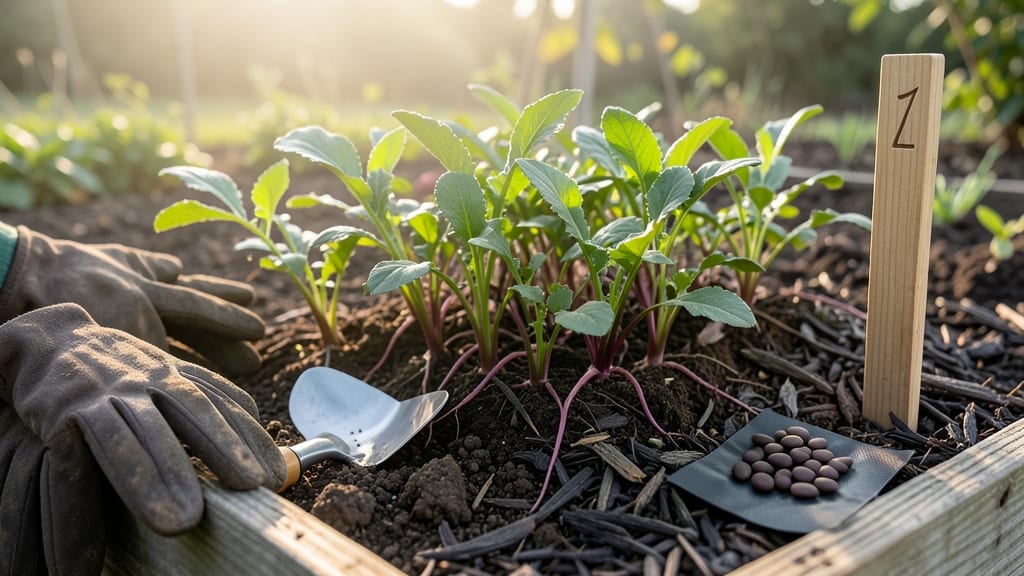
If you’ve ever planted 🍠 beets in New Jersey only to watch them bolt or wither in the heat, you’re not alone—getting the timing right is the key to a successful harvest.
The state’s 6a to 7b zones and shifting microclimates mean that what works in coastal Cape May might fail in the Piedmont hills. But with the right deadlines, you can avoid those common pitfalls and enjoy sweet, tender beets all season long.
Spring is your best bet for planting 🍠 beets, with the ideal window stretching from early March to mid-April—just 2–3 weeks before your last frost date. However, late summer (July-August) is another great opportunity for a fall harvest, provided you act fast.
The trick? Understanding how soil temperatures and frost dates vary across NJ’s regions so you can tailor your planting schedule for maximum success.
In this guide, I’ll break down the exact planting windows for your specific microclimate, whether you’re in the cooler highlands or the warmer coastal plains. You’ll also learn how to adjust for early or late seasons, choose the right varieties, and even extend your harvest into fall.
No more guesswork—just a foolproof plan for zero-bolt beets that thrive in NJ’s unpredictable growing conditions.
Ready to transform your garden into a beet bonanza? Let’s dive into the timing secrets that will have you harvesting crisp, flavorful roots from spring through fall—without a single bitter or woody surprise.
NJ’s optimal beet planting calendar by microclimate zone
New Jersey’s three distinct microclimates—Coastal, Piedmont, and Highlands—create wildly different growing conditions for beets. Coastal areas like Cape May enjoy milder springs, while inland zones like the Watchung Mountains face later frost risks. To avoid bolting or frost damage, align your planting with soil temperatures and local frost dates.
For spring plantings, aim to sow seeds 2–3 weeks before your last frost date. In NJ, this typically falls between mid-March and early April in the south and late March to mid-April in the north. Use a soil thermometer—beets thrive when soil temps hit 45–50°F.
Here’s how NJ’s three zones break down for spring and fall planting:
| Zone | Last Frost Date | Spring Planting Window | Soil Temp Trigger | Fall Planting Window | Harvest Timeline |
|---|---|---|---|---|---|
| Coastal (Zone 7b) | March 15–20 | Mid-March to early April | 45–50°F | July 15–August 15 | May–June & Sept–Oct |
| Piedmont (Zone 6b–7a) | April 1–10 | Late March to mid-April | 45–50°F | July 1–August 10 | May–July & Sept–Nov |
| Highlands (Zone 6a) | April 10–20 | Late March to early April | 45–50°F | July 10–August 5 | May–June & Sept–Oct |
*Adjust dates 1–2 weeks earlier for coastal areas, later for inland zones.
For fall plantings, start seeds 8–10 weeks before your first frost (typically July–early August in NJ). Use row covers or cold-hardy varieties like ‘Detroit Dark Red’ to extend harvests into October or November.
Pro tip: Succession plant every 2 weeks in spring and 3 weeks in fall to ensure a continuous harvest. Thin seedlings to 3–4 inches apart to prevent overcrowding and bolting.
In coastal NJ, you can even try an early February planting under row covers for a jump-start. Just monitor soil moisture—beets hate drying out!
🌱
How to avoid bolting: soil temperature, variety, and spacing secrets
Beets are famously finicky about bolting, especially in New Jersey’s unpredictable springs when cool nights and warm days trick them into flowering early. This turns your sweet roots into bitter, woody messes.
The key to preventing bolting? Mastering soil temperature, choosing the right varieties, and perfecting spacing. Let’s break down the science—and secrets—behind keeping your beets in their prime.
First, soil temperature is your best early warning system. Beets bolt when soil temps dip below 50°F or spike above 80°F. Use a soil thermometer to monitor conditions—plant only when temps are steady between 55–75°F.
In NJ’s Zone 6a–7b, this usually means waiting until after April 15 in most regions, but coastal areas can start earlier.
🌱
- Cold Stress: Soil temps below 50°F trigger bolting. Use row covers for early plantings.
- Heat Stress: Temps above 80°F cause bolting. Plant shade cloth in summer or opt for ‘Golden’ varieties.
- Overcrowding: Beets need 3–4 inches of space. Thin seedlings to avoid competition.
- Nitrogen Shock: Too much fertilizer causes rapid growth and bolting. Use balanced 5-10-10 sparingly.
- Day Length: Long daylight hours (14+ hours) can trigger bolting. Choose short-day varieties like ‘Detroit Dark Red’.
Choosing the right variety makes all the difference. ‘Detroit Dark Red’ and ‘Chioggia’ are cold-tolerant and bolt-resistant, while ‘Golden’ varieties handle heat better. For NJ’s climate, I recommend ‘Boltardy’—a hybrid bred to resist bolting even in fluctuating temperatures.
If you’re planting in late summer for fall harvests, stick with ‘Early Wonder Tall Top’, which matures quickly before cold sets in.
Proper spacing is another bolt-prevention game-changer. Crowded beets compete for nutrients and water, stressing plants into early flowering. Sow seeds ½ inch deep and 1–2 inches apart, then thin to 3–4 inches when seedlings have 2 true leaves.
Use a hand trowel for precision—snip seedlings at soil level to avoid disturbing roots.
Finally, mulch your beet beds with straw or shredded leaves to stabilize soil temps and retain moisture. This buffer helps prevent the temperature swings that trigger bolting. And if you notice leaves turning yellow or flowering stems appearing, act fast: harvest immediately or pull the plants to reset growth.
With these tricks, you’ll enjoy sweet, tender beets from spring through fall—no bitter surprises! 🌿