
Plants
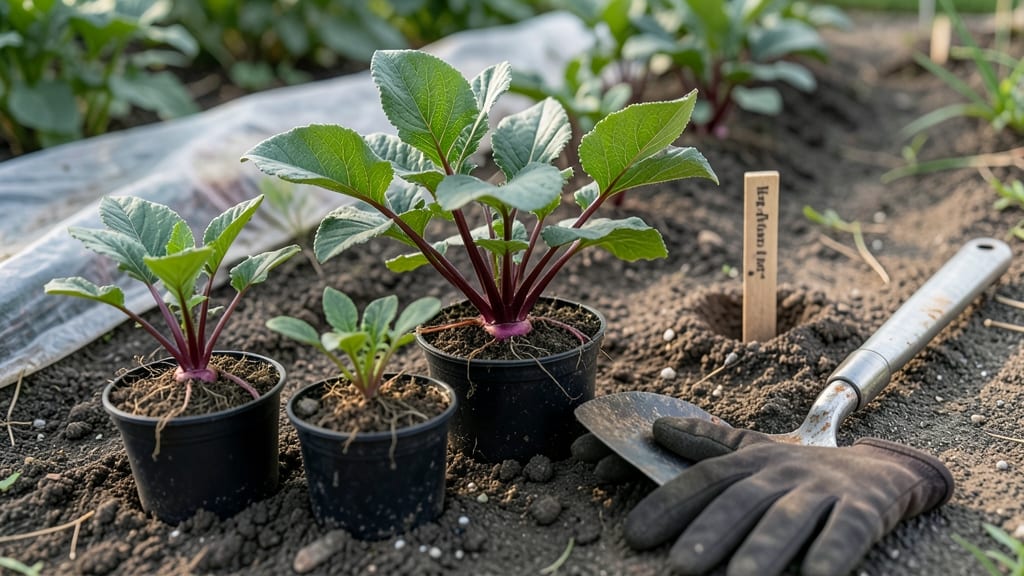
Timing your fall beet planting just right is the secret to harvesting sweet, tender roots instead of woody or bitter ones.
If you live in USDA Zone 6a like me, you know the difference between a perfect October harvest and a frost-ruined crop can come down to planting 8-10 weeks before your first frost—and getting that window wrong means missing out on the best flavor of the season.
I’ve learned the hard way that beets planted too early bolt before they mature, while those sown too late never reach their full potential. The key isn’t just following a calendar—it’s understanding your microclimate, soil temperature, and how quickly your specific beet varieties grow.
For Zone 6a, that means starting seeds in early August for a harvest by November, but even small adjustments can make or break your crop.
What if you could extend your harvest past the first frost without risking failure? With the right techniques—like row covers, succession planting, and soil insulation—you can push your beet season later into fall.
I’ll walk you through exactly how to do it, so you can enjoy fresh, homegrown beets long after your neighbors have given up.
Let’s break down the exact timing, zone-specific adjustments, and pro tips to ensure your fall beets thrive—no guesswork required. Ready to dig in?
Fall beet planting dates by USDA hardiness Zones: exact timing for sweetest harvests
Getting your fall beet planting right means calculating 8-10 weeks before your first frost. This window ensures beets mature before cold snaps turn their roots woody or bitter.
But exact dates vary wildly across USDA hardiness zones—what works in Zone 5 (like mid-August) fails in Zone 10 (where you might plant until October). Let’s break it down by zone so you can avoid common mistakes like bolting or frost damage.
For Zones 3-4, aim for late July to early August—these areas have the shortest growing seasons. In Zones 5-7, your sweet spot is mid-August to early September. Meanwhile, gardeners in Zones 8-10 can push planting until September or even early October, thanks to milder winters.
The key? Soil temperatures above 50°F and 60-70 days to maturity for your chosen variety.
🌱 Fall Beet Planting Timeline by Zone
| USDA Zone | Planting Window | First Frost Date | Maturity Goal | Key Risk |
|---|---|---|---|---|
| Zones 3-4 | Late July–Early August | Mid-September | 60 days before frost | Early frost |
| Zones 5-7 | Mid-August–Early September | Late October–Early November | 70 days before frost | Bolting from heat |
| Zones 8-10 | September–Early October | December–January | 80+ days before frost | None (mild winters) |
*Use 60-70 day varieties like 'Detroit Dark Red' or 'Golden' for fall; longer-season types risk frost damage.
Pro tip: Check your local frost dates using the USDA Plant Hardiness Zone Map or a frost calendar for your county. For example, in Zone 6 (like Chicago), planting August 15 ensures harvest by October 15, just before the average first frost.
In Zone 9 (like Los Angeles), you can plant until October 1 and harvest through December.
If your zone has unpredictable frosts, opt for fast-maturing varieties like 'Early Wonder' (50 days) or 'Babybeat' (55 days). These tolerate cooler soils and still deliver tender, sweet roots even when days shorten. For longer seasons, try 'Chioggia' (60 days), known for its heirloom striped roots and cold tolerance.
Another critical factor? Soil temperature. Beets germinate best when soil is 50-70°F. In cooler zones, wait until late July to avoid slow germination or seed rot.
Use a soil thermometer to confirm—if it’s below 50°F, hold off until temperatures rise. Warm soils also prevent bolting, where beets flower prematurely and become bitter.
For succession planting, sow new seeds every 2 weeks from your zone’s ideal window until 6 weeks before frost. This stretches your harvest and reduces waste.
For example, in Zone 5, start with August 1 seeds, then add August 15 and August 30 batches. The last batch should mature just as temperatures drop.
One common mistake? Planting too late and relying on row covers to save the crop. While covers work, they’re no substitute for proper timing. Beets grown in cold soil develop woody roots, even under protection. Always prioritize soil warmth and maturity timing over last-minute fixes.
Finally, account for your microclimate. A south-facing bed warms faster than a north-facing one, potentially extending your planting window by 1-2 weeks.
If your garden sits in a frost pocket, err on the side of earlier planting and use cold-hardy varieties like 'Boltardy', which tolerates cooler soils better than most.
With these zone-specific guidelines, you’ll harvest sweet, tender beets all fall long—no more
Microclimate adjustments: how to extend your fall beet season in cold climates
If you’re in a short-season zone like USDA Zone 3-6, you know that frost can sneak up faster than expected. The good news? With a few smart adjustments, you can push your fall beet harvest well past the first frost—without risking bolting or stunted growth.
I’ve used these techniques in my own garden to extend my beet season by 3-4 weeks, even in Zone 5.
Start by choosing fast-maturing varieties like 'Detroit Dark Red' or 'Golden', which reach harvest in 50-60 days. These give you a buffer if temperatures drop unexpectedly. Pair them with succession planting—sow new seeds every 2-3 weeks starting in early August to stagger your harvest timeline.
Here’s how I extend my beet season in cold climates:
- 🌱 Use row covers (like floating fabric) to protect seedlings from light frosts (28-32°F). Remove during the day to avoid overheating.
- 🌡️ Insulate soil with straw or leaves (4-6 inches thick) to regulate temperature and prevent ground freeze.
- ✂️ Harvest strategically: Pull mature beets first, leaving smaller ones to grow. This prevents overcrowding and bolting.
- 🌿 Try cold frames for late-season beets. A simple Plexiglas box can add 10-15°F of warmth, delaying frost damage.
- 📅 Plant near south-facing walls or structures to absorb heat during the day and radiate it back at night.
For Zone 4 and colder, I recommend planting 6-8 weeks before your average first frost and using a combination of row covers and soil insulation. In Zone 7+, you can push it to 10-12 weeks before frost with minimal protection, thanks to milder nights.
Pro tip: Monitor your soil temperature with a soil thermometer. Beets grow best in 60-70°F soil, but they’ll tolerate 50°F for short periods. If temps drop below 40°F, growth slows dramatically, and roots may turn woody.
Don’t forget to harden off seedlings before covering them. Gradually expose them to outdoor conditions over 5-7 days to avoid shock. With these adjustments, you’ll enjoy fresh beets straight from the garden well into November—even in chilly climates. 🍠