
Plants
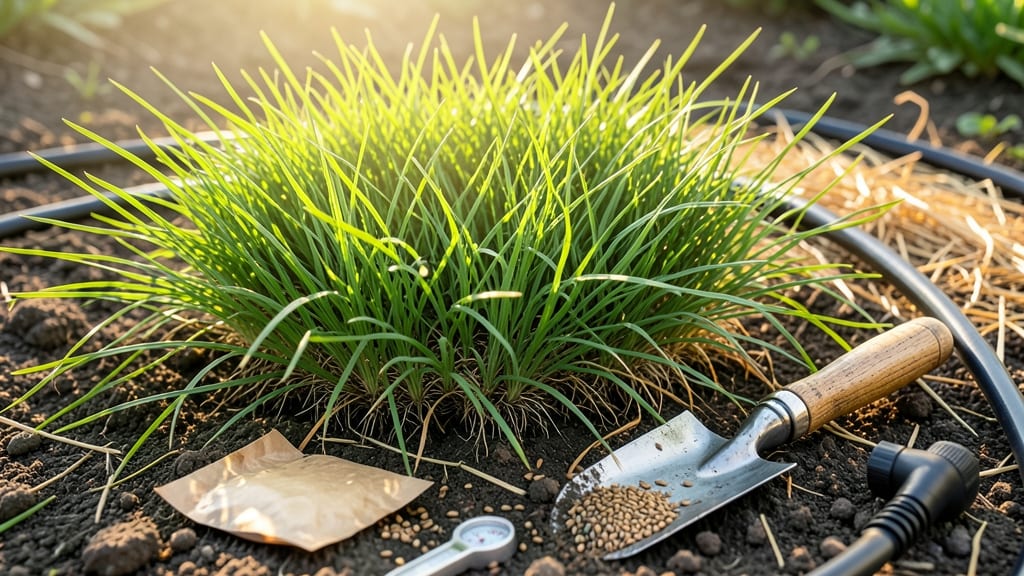
Planting Bermuda grass seeds in Texas at the wrong time means battling weeds instead of enjoying a lush lawn—so timing is everything.
The key to success lies in waiting for soil temperatures to hit 65°F and stay warm, typically between late spring and early summer when the heat aligns with rainfall patterns.
For Texas homeowners in zones 8a-10b, the ideal window is April through June, but even a week too early can stress young seedlings.
This warm-season grass thrives when days stretch long and temperatures climb, making summer planting a risky gamble unless you're in South Texas where the heat arrives earlier.
I’ll break down the exact months for your region—whether you’re in North Texas where frost lingers until March or South Texas where the growing season starts sooner. You’ll also learn how to prep your soil, water like a pro, and avoid common mistakes that turn seed into a weed magnet.
By the end, you’ll know exactly when to plant Bermuda grass seeds in Texas to get a thick, drought-resistant lawn that stays green even when your neighbors’ grass turns brown. Let’s get started.
Optimal planting windows for Bermuda grass seeds in Texas zones (by month)
Bermuda grass thrives in Texas’s brutal heat, but timing your planting is everything. The perfect window depends on your USDA zone—North Texas (Zone 8a) has stricter deadlines than South Texas (Zone 9a).
Plant too early, and frost risks kill seedlings; too late, and summer’s heat stunts germination. Let’s break it down by monthly zones so you avoid patchy lawns and weed battles.
For North Texas (Zone 8a), aim for late April to early June when soil temps hit 65°F+ consistently.
This aligns with post-last-frost dates (around March 15) and avoids summer’s scorching heat. Central Texas (Zone 8b) can stretch planting to mid-June, while South Texas (Zone 9a) enjoys a longer window—March to early July—thanks to milder winters and earlier heat onset.
Here’s the key: Bermuda grass seeds need warm soil (65°F+) to germinate, but extreme heat (>95°F) can stress them. The ideal planting window balances these factors, typically landing in late spring for most of Texas. Let’s dive into the month-by-month breakdown to pinpoint your zone’s perfect timing.
| Zone | Best Planting Months | Soil Temp Threshold | Rainfall Trigger | Heat Risk Level |
|---|---|---|---|---|
| North Texas (8a) | Late April–Early June | 65°F+ (consistent) | 0.5" weekly rain | Moderate (avoid >95°F) |
| Central Texas (8b) | Early April–Mid-June | 65°F+ (consistent) | 0.75" weekly rain | High (plant early) |
| South Texas (9a) | March–Early July | 68°F+ (consistent) | 1" weekly rain | Very High (plant by June) |
| All Zones | August–September (late replant) | 70°F+ (soil) | 0.5" weekly rain | Low (cooler temps) |
Notice how South Texas has a longer window? That’s because its warmer winters and earlier heat onset allow for earlier planting. Meanwhile, North Texas must rush to beat summer’s 95°F+ heat waves, which can bake seeds before they sprout.
Pro tip: Use a soil thermometer to confirm temps—65°F+ is non-negotiable for germination.
If you miss the spring window, don’t despair! Bermuda grass can also be planted in late summer (August–September), when temperatures dip slightly. This is your “second chance” window, but it requires daily watering to keep seeds moist as they germinate.
Just avoid planting after mid-September, or your seeds may not establish before winter dormancy sets in.
One critical factor often overlooked is rainfall timing. Bermuda grass seeds need consistent moisture to germinate, but Texas’s unpredictable summer storms can either help or hinder. Aim to plant when weekly rainfall averages 0.5–1 inch, or supplement with drip irrigation to avoid crusting.
Clay-heavy soils in Central Texas? Pre-soak the area 24 hours before planting to improve water penetration.
Let’s talk heat tolerance. Bermuda grass is drought-resistant once established, but seedlings hate heat stress. If temps hit 95°F+ within 10 days of planting, germination drops by 50%.
That’s why North Texas gardeners should plant by early June—any later, and you’re playing roulette with your lawn’s survival. Use shade cloth (30–50% coverage) for the first 2 weeks if planting in peak summer heat.
For South Texas, the March–July window is ideal, but June plantings require extra care. The humidity and heat can lead to fungal diseases like
Optimal planting windows for Bermuda grass seeds in Texas zones (by month)
Bermuda grass thrives in Texas’s brutal heat, but timing is everything. Plant too early, and your seeds rot in cool soil. Too late, and they’ll struggle with summer’s intensity. The ideal window depends on your USDA zone—North Texas (Zone 8a), Central Texas (Zone 8b), or South Texas (Zone 9a).
Each zone has unique soil temperature triggers and rainfall patterns that dictate the perfect planting month.
For North Texas (Zone 8a), aim for late April to early May when soil temps hit 65°F+.
In Central Texas (Zone 8b), stretch your window to March 15 to May 15—earlier than North Texas due to milder winters. South Texas (Zone 9a) gardeners can plant as early as February 15 or even late summer (August-September) for a fall establishment.
🌱
If you miss the spring window, don’t panic—Bermuda grass can also establish in late summer (August-September), especially in South Texas. This fall planting strategy leverages cooler temps and consistent rainfall to avoid summer’s scorching heat. Just ensure soil temps stay above 70°F for at least 2 weeks post-planting.
Pro tip: Use a soil thermometer to confirm readiness. Bury it 2 inches deep—the moment it hits 65°F+, it’s time to plant. Ignore this, and you’ll risk seed rot or slow germination, leaving your lawn vulnerable to weeds.
🌡️
For North Texas, the last frost date (~March 15) signals the start of your planting window. But wait until mid-April to ensure soil warmth.
In Central Texas, you’ve got flexibility—plant as early as March 15 if temps cooperate, but April is the safest bet. South Texas gardeners can push boundaries: February for early bloomers or August-September for a fall lawn.
📅