
Plants
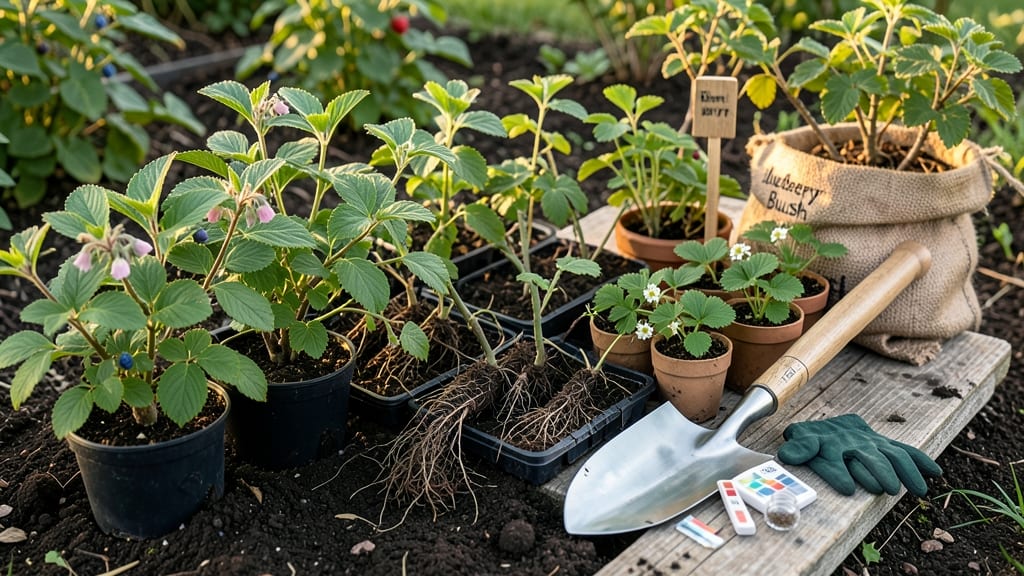
Timing your berries 🫐 planting in Zone 8 could mean the difference between a thriving bush and a struggling one—especially when microclimates shift planting windows by weeks. Whether you're dreaming of juicy blueberries or sweet blackberries, getting the schedule right is the key to avoiding frost damage and maximizing yields.
Most gardeners in Zone 8 assume spring is the only time to plant, but fall offers a hidden advantage—cooler soil and fewer pests.
I’ll break down the exact months (and why they matter) for each berry type, so you can choose the best window for your microclimate, whether you're near the coast or in a sheltered valley.
You’ll also discover how to prep your soil, pick the right varieties for your area, and avoid common mistakes that derail even the most well-intentioned gardeners. Let’s get your berry bushes off to the best possible start!
Ready to plant with confidence? The secrets to successful berry planting in Zone 8 start with knowing when—and where—to dig in.

Optimal planting months for berries in Zone 8 by variety
Zone 8’s mild winters and warm summers create a perfect window for planting berries, but timing varies by berry type and planting strategy. Most berries thrive when planted in early spring or fall, but acid-loving varieties like blueberries need special attention to soil pH and dormancy cycles.
For spring planting, aim for February to early March—just as soil temperatures rise above 40°F (4°C). This gives roots time to establish before summer heat arrives. Fall planting, however, is ideal for September to October, allowing roots to settle before winter dormancy.
Strawberries are the exception—they prefer late winter (January-February) for early harvests, while everbearing varieties can handle fall planting too. Meanwhile, raspberries and blackberries thrive with bare-root planting in early spring or container-grown plants in fall.
Blueberries are most sensitive to timing. Plant bare-root bushes in early spring (February-March) to avoid soil pH stress during dormancy. If planting in fall, choose container-grown plants and adjust soil pH to 4.5–5.5 beforehand.
Gooseberries and currants also prefer early spring but tolerate fall planting if soil isn’t frozen. Their shorter growing season means less flexibility—plant too late, and they may not establish roots before winter.
Here’s how microclimates shift these timelines: Coastal areas can plant 2–4 weeks earlier due to milder frosts, while inland valleys may need to delay until late March to avoid late frosts.
| Berry Type | Best Planting Window | Soil Temp Requirement | Key Consideration |
|---|---|---|---|
| Strawberries | Jan–Feb (spring) or Sep–Oct (fall) | 40–50°F (4–10°C) | Everbearing types need fall planting |
| Blueberries | Feb–Mar (bare-root) or Sep (container) | 45–55°F (7–13°C) | pH 4.5–5.5; acidic soil required |
| Raspberries | Feb–Mar (bare-root) or Sep–Oct (container) | 40–50°F (4–10°C) | Summer-bearing types need 2 years to fruit |
| Blackberries | Feb–Mar (bare-root) or Sep (container) | 45–55°F (7–13°C) | Thornless varieties need trellising |
| Gooseberries/Currants | Feb–Mar (bare-root) | 40–50°F (4–10°C) | Prune old canes after planting |
Pro tip: Container-grown berries planted in fall have a 2–3 week advantage over bare-root plants, as their roots are already established. This is especially useful for Zone 8’s shorter frost-free windows.
For blueberries, amend soil with peat moss or sulfur 4–6 weeks before planting to lower pH. Test soil first—Zone 8’s native soil is often alkaline, which stunts blueberry growth.
If you’re planting multiple berry types, stagger timing: Start with blueberries in February, then raspberries in March, and finish with strawberries in late winter for sequential harvests.
Remember: Frost dates vary by 2–4 weeks across Zone 8. Check your local last frost date (typically March 15) and adjust planting by 4–6 weeks before for spring.
How microclimates in Zone 8 affect berry planting timing
Zone 8 spans diverse landscapes, from coastal areas to mountain foothills, each with unique microclimates that shift planting windows by 2-4 weeks. A valley might see earlier springs than a hilltop, while urban heat islands delay first frost dates. Understanding these variations ensures your berries thrive year-round.
For example, coastal regions like San Diego often experience milder winters, allowing fall planting as late as November. Meanwhile, inland areas like Phoenix may need to plant strawberries in September to avoid extreme summer heat. These differences aren’t just about dates—they impact soil warmth and frost risk.
Elevation plays a critical role too. At 2,000 feet, temperatures drop faster than at sea level, potentially shortening your planting window. Sheltered spots, like south-facing slopes, can extend it by 3-4 weeks compared to open fields. Always observe your yard’s unique conditions before committing to a schedule.
🌡️ Microclimate Adjustments for Zone 8
- Coastal Areas: Plant blueberries in October (milder winters).
- Urban Heat Islands: Delay spring planting to April (soil warms faster).
- Mountain Foothills: Plant raspberries by September (earlier frost risk).
- Desert Regions: Use shade cloth for summer planting to prevent heat stress.
- Valleys: Expect 2-3 weeks earlier planting than nearby hills.
To assess your microclimate, track local frost dates for 3 years and note how nearby landmarks (like trees or buildings) affect airflow. Tools like frost clocks or soil thermometers help pinpoint ideal planting windows.
For instance, if your soil stays below 50°F past March 15, delay planting until temperatures stabilize.
Another key factor is wind exposure. Windy areas dry out soil faster, so blackberries may need earlier fall planting to establish roots before winter. Conversely, sheltered spots can support late-summer plantings with minimal stress. Adjust mulch depth (3-4 inches) to moderate soil temperature extremes in these conditions.
Don’t overlook water availability in your microclimate. Drought-prone areas benefit from drip irrigation systems installed 2 weeks before planting to ensure consistent moisture. In humid zones, prioritize well-draining soil to prevent fungal diseases that thrive in soggy conditions.
By accounting for these microclimate factors, you’ll avoid common pitfalls like frost damage or heat stress, ensuring your berries establish strong roots and produce abundant harvests. Start small—test one variety in your microclimate before expanding your garden.