
Plants
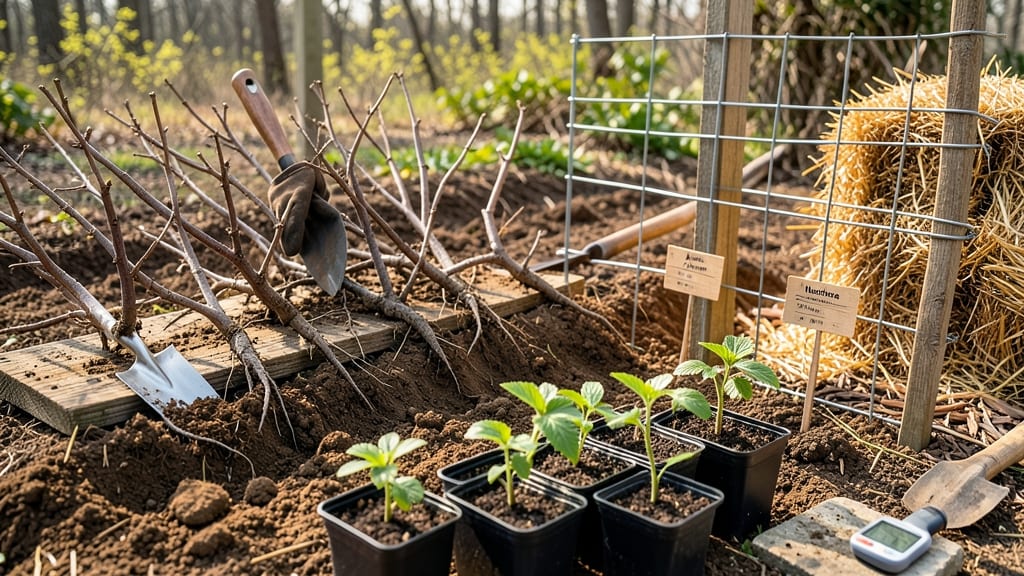
Timing your blackberry 🫐 planting in Oklahoma isn't just about picking a month—it's about matching your variety's chill-hour needs to Zone 7a's unpredictable spring. Plant too early, and frost might nip your canes; too late, and your berries could struggle to ripen before summer's heat.
The secret lies in understanding when soil warms enough for roots to establish while still giving your plants the 300-600 chill hours they crave.
I've seen firsthand how a 2-week difference can mean the difference between a thriving blackberry patch and one that barely survives. Whether you're working with bare-root canes or potted plants, knowing when to plant—typically between late February and early March or September to October—sets the stage for a productive harvest.
Let me walk you through the exact windows that work best for Oklahoma's climate.
Most gardeners focus only on the calendar, but the real magic happens when you align planting with soil temperatures and frost dates. In Oklahoma, that means waiting until the ground reaches at least 50°F and avoiding the last expected frost around mid-March.
This timing ensures your blackberries get a strong start before summer's heat arrives.
Don't worry if you're new to blackberry growing—I'll cover everything from variety selection to soil prep, so you can confidently plant at the perfect moment. With the right approach, you'll be enjoying homegrown blackberries by mid-summer, and I'll show you exactly how to make it happen.
Best planting windows for blackberries in Oklahoma’s Zone 7a
Timing is everything when planting blackberries in Oklahoma. The Zone 7a climate demands precise planting windows to match the plant’s chill-hour requirements (300-600 hours below 45°F). Plant too early, and frost will damage tender roots; too late, and your berries may struggle to establish before summer heat arrives.
For Oklahoma gardeners, the ideal planting windows are late winter to early spring (February-March) or fall (September-October). These periods align with soil warming trends and minimize frost risks. Let’s break down the best times for each season.
🌱 Soil Temperature Matters: Blackberries thrive when soil reaches 50-60°F. Use a soil thermometer to check—planting in cooler soil delays root establishment. In Oklahoma, this typically occurs by mid-March in most regions.
Spring planting (February-March) gives canes 8-10 weeks to establish roots before summer heat peaks. Fall planting (September-October) allows roots to grow before winter dormancy, but avoid planting after early November when frost risks rise.
📅 Pro Tip: Oklahoma’s last frost date averages March 15, but microclimates vary. Check your local USDA frost map or use the National Weather Service for precise dates in your area.
If you miss these windows, don’t despair! Bare-root blackberries can tolerate mild fall planting (up to October 15) if soil remains workable. However, potted plants should never be planted after October 1—their roots won’t have time to adapt before winter.
🌡️ Soil Prep
Best planting windows for blackberries in Oklahoma’s Zone 7a
Oklahoma’s Zone 7a climate creates a unique challenge for blackberry growers—too early, and frost will damage tender canes; too late, and your plants won’t establish roots before summer’s heat. The ideal planting window hinges on two key factors: chill hours (300-600) and soil temperatures above 50°F.
For most varieties, this means two primary windows: late winter/early spring (February-March) and fall (September-October).
Spring planting is ideal for bare-root canes, allowing roots to establish before summer’s peak. Fall planting, however, gives plants a head start on root growth before winter dormancy.
Both methods work in Oklahoma, but timing depends on your variety’s chill-hour needs and your local frost dates—typically the last frost around March 15 in most areas.
| Planting Window | Chill Hours Needed | Soil Temp | Best For |
|---|---|---|---|
| Late February - Early March | 300-500 | 50°F+ | Bare-root canes, early harvest |
| Mid-September - October | 600+ (fall varieties) | 60°F+ | Potted plants, fall root growth |
| Early November (if mild) | 400-600 | 55°F+ | Hardy varieties only |
For spring planting, aim for late February when soil temperatures consistently stay above 50°F. This timing ensures roots establish before Oklahoma’s summer heat arrives.
If you’re planting in fall, September to early October is ideal—plants can develop roots before winter dormancy, giving them a stronger start in spring.
I’ve found that staggered planting can extend your harvest window. Plant half your canes in early spring and the rest in fall—this way, you’ll have berries ripening at different times throughout the summer. Just be sure to choose varieties that match your zone’s chill hours to avoid winter dieback.
One common mistake is planting too early in spring, when soil is still cold. Use a soil thermometer to confirm temperatures are stable above 50°F before planting. In Oklahoma’s unpredictable climate, this small step can mean the difference between thriving plants and ones that struggle to take root.
Remember, blackberries are perennial, so proper planting timing now sets the stage for years of harvests. With the right window, you’ll enjoy juicy berries for decades—just like my own patch, which has thrived for over five years thanks to careful timing and variety selection.