
Plants
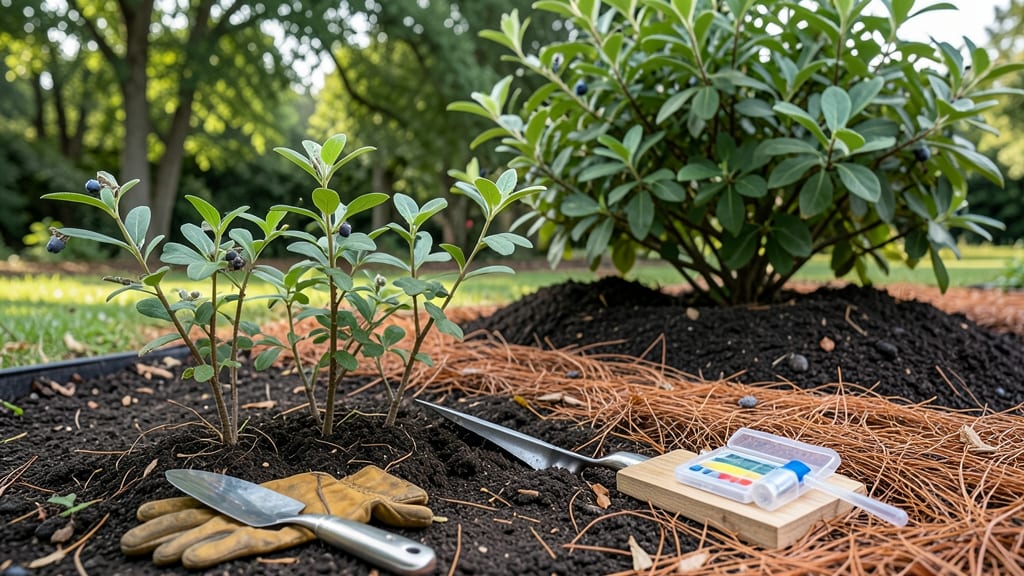
Timing your blueberry planting in Colorado can mean the difference between a thriving 🫐 bush and a struggling one—especially when unpredictable spring frosts lurk around every corner.
Unlike other plants, blueberries need that sweet spot of soil warmth without lingering cold snaps, making the wrong window a recipe for weak roots or lost plants.
Here’s the secret: Planting in late April to early May (or early fall) gives your blueberries the best shot at establishing strong roots before summer heat arrives.
But Colorado’s varied elevations—from Denver’s Front Range to high-altitude areas—mean you’ll need to adjust based on your specific USDA zone (5-7) and last frost dates.
I’ll break down exactly how to read your local climate cues, from soil temperature tests to frost-free date calculations, so you can plant with confidence. Whether you’re working with in-ground beds or containers, these timing tricks will help your blueberries take off—no guesswork required.
Ready to turn your Colorado garden into a blueberry powerhouse? Let’s get those bushes in the ground at the perfect moment for maximum growth and harvest.
Best planting months in Colorado based on microclimates
Colorado’s diverse climate zones—from the Front Range’s milder springs to the Western Slope’s warmer microclimates and high-altitude chill—mean one planting window doesn’t fit all. Blueberries thrive when planted in soil temperatures above 50°F for at least 2 weeks, ensuring strong root establishment before summer heat or winter dormancy.
Let’s break down the ideal months for your region.
For USDA Zones 5-6 (Denver, Fort Collins, Boulder), aim for late April to early May in spring or mid-September to early October in fall. These zones experience last frost dates around mid-April, so planting too early risks frost damage to tender roots.
Fall planting gives roots time to establish before winter, but avoid planting after October 15th to allow for root hardening.
In Zone 7 (Colorado Springs, Pueblo), extend your spring window to mid-May due to later frost dates (around April 20th). The Western Slope (Grand Junction, Durango) enjoys warmer springs, so early April to late May works well—soil warms faster in these lower-elevation areas.
High-altitude zones (above 8,000 ft, like Steamboat Springs) should plant in late May to early June to avoid late frosts and short growing seasons.
| Region | USDA Zone | Spring Planting Window | Fall Planting Window | Soil Temp Trigger |
|---|---|---|---|---|
| Front Range (Denver, Boulder) | 5-6 | Late April - Early May | Mid-Sept - Early Oct | 50°F for 2+ weeks |
| Colorado Springs, Pueblo | 7 | Mid-May | Late Sept - Early Oct | 50°F for 2+ weeks |
| Western Slope (Grand Junction) | 6-7 | Early April - Late May | Mid-Sept - Late Oct | 45°F for 2+ weeks |
| High Altitude (8,000+ ft) | 4-5 | Late May - Early June | Early Sept | 55°F for 3+ weeks |
Spring planting is ideal for most Colorado gardeners because it aligns with natural rainfall patterns and gives plants a full growing season to establish. However, fall planting in September or early October works well if you amend the soil with compost and peat moss to improve drainage and acidity.
Avoid planting in November—roots need at least 6 weeks to harden off before winter.
If you’re in a container garden, adjust your timeline by 2-4 weeks earlier—potted soil warms faster than in-ground soil. Use black plastic mulch in spring to accelerate soil warming by 5-10°F, which can shave weeks off your planting schedule.
For high-altitude areas, consider row covers to protect young plants from late frosts after transplanting.
Pro tip: Check your local CoCoRaHS or Colorado Climate Center data for your specific area’s frost dates—these can vary by 1-2 weeks even within the same city. For example, Denver’s last frost might be April 15th, but Boulder’s could be April 22nd due to elevation differences.
Remember, blueberries are perennials, so planting at the right time ensures decades of harvests. Whether you’re in Zone 5 or Zone 7, prioritize soil warmth and frost-free windows—these are your best tools for success.
🌱
How to time blueberry planting with Colorado’s frost dates
Colorado’s last frost dates are your blueberry’s best friend—or worst enemy. Plant too early, and a late frost can kill tender roots. Too late, and your bush won’t establish strong roots before summer’s heat.
The key is planting when the soil stays at 50°F+ for 2+ weeks and your local frost-free date is 8-10 weeks away.
Check your USDA zone (5-7)—Denver’s Front Range (Zone 5-6) typically has a last frost around April 15-30, while high-altitude areas (Zone 4) may wait until May 15. Use the National Weather Service or Almanac’s frost calculator for your exact location.
Pro tip: Bury a soil thermometer 4 inches deep. Wait until it reads 50°F consistently for 7-10 days before planting. This ensures roots warm up safely, avoiding shock.
🌱 Callout Warning:
Even after your last frost date, late May freezes can still hit—especially in high-altitude areas (8,000+ ft). If planting in late April or early May, protect young bushes with row covers or burlap wraps until mid-May. Fall planting (September-October) avoids this risk entirely.
For container-grown blueberries, you’ve got a little more flexibility. Containers warm up faster, so you can plant 2-3 weeks earlier than in-ground bushes. Just ensure your pots are at least 18 inches deep and use acidic potting mix.
If you’re in a microclimate (like a sheltered valley), you can plant 1-2 weeks earlier than the general rule. But if your yard is exposed to cold air pockets, wait until after May 15 to be safe.
Remember: Blueberries need 60-90 days to establish roots before summer’s heat arrives. Planting in late April-May gives them the perfect head start—just don’t rush it! 🌡️