
Plants
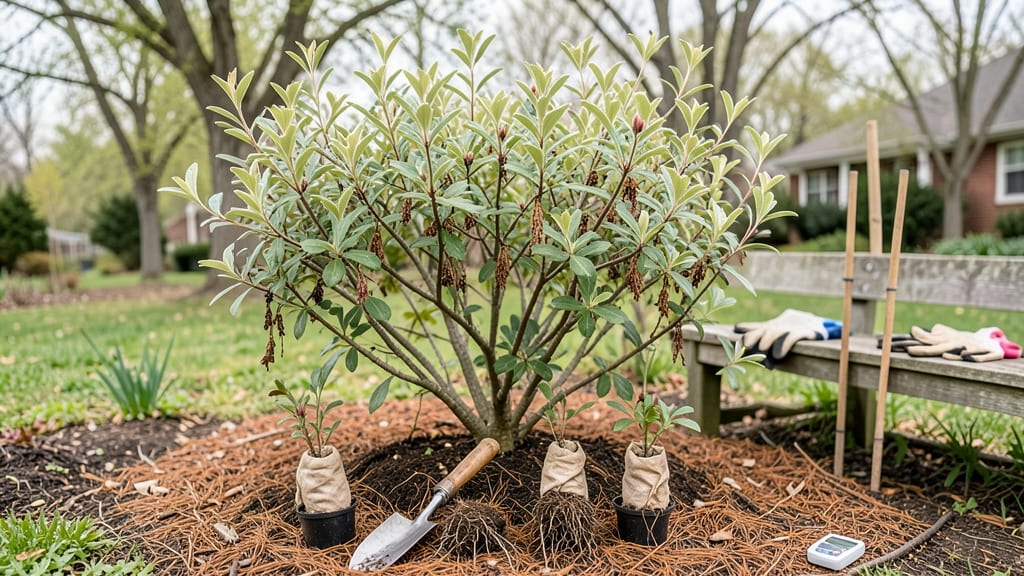
Timing your blueberry planting in Zone 5 isn't just about the calendar—it's about catching that sweet spot when soil warmth triggers strong root growth. Plant too early, and frost can damage tender new roots; too late, and your shrubs may struggle to establish before winter.
The ideal window isn't just a date—it's a balance between soil temperature and dormancy cycles that sets your 🫐 up for success.
In Zone 5, where last frosts linger until mid-May, most gardeners plant between late April and early June, but there's a catch: bareroot plants need warmer soil (at least 40°F) to thrive, while container-grown varieties offer more flexibility.
Fall planting is also an option, but it requires careful timing to avoid early frosts that can stress young plants before they've had a chance to root.
What makes this tricky is that Zone 5's 5a-5b sub-zones can vary by 2-3 weeks in frost dates. A plant that thrives in northern Michigan might struggle in western Pennsylvania if planted at the wrong time.
The key is watching for soil temperature trends rather than relying solely on the calendar—because when it comes to blueberries, getting the timing right means the difference between a thriving bush and one that barely survives.
I'll show you exactly how to read your soil's signals, choose the right planting method for your climate, and avoid the 3 biggest timing mistakes that Zone 5 gardeners make. Let's get those roots growing strong from day one.

Optimal planting windows for blueberries in Zone 5: soil temperature rules
Zone 5’s cool climate demands precise timing for blueberry planting—too early and roots freeze, too late and growth stalls before winter. The ideal window aligns with soil temperatures hitting 40°F+ and last frost dates passing.
Most Zone 5 gardeners target late April to early June, but regional microclimates shift this by 2–3 weeks.
Blueberries are dormant plants that rely on spring’s soil warmth to break dormancy. When soil reaches 40°F, roots can establish before summer heat arrives. Use a soil thermometer—planting when soil is 50°F+ ensures faster root growth and fewer transplant shocks.
In Zone 5a (colder sub-zone), aim for May 1–15 to avoid late frosts. For Zone 5b (warmer), late April to early May works. Check your local frost dates—planting 4–6 weeks after the last frost gives roots time to settle before summer’s heat stress.
Fall planting is also viable in Zone 5—aim for September to October when soil temps drop below 60°F. This gives roots time to establish before winter dormancy. However, container-grown blueberries handle fall planting better than bareroot varieties, which are more frost-sensitive.
Watch for leaf bud swell on your blueberry plants—this signals readiness to plant. If buds are still dormant when soil warms, delay planting by 1–2 weeks. Overheated soil (above 70°F) can scorch roots, so avoid planting during heatwaves.
Mulch heavily after planting to insulate roots from temperature swings. Use pine needles or straw (3–4 inches deep) to maintain acidic soil pH and retain moisture. This is especially critical in Zone 5’s dry summers, where mulch reduces watering needs by 30–50%.
If you miss the spring window, don’t despair—fall planting (September) still works for container-grown blueberries. Just ensure soil temps stay above 50°F for 2–3 weeks post-planting. Bareroot plants, however, must wait for spring to avoid winter kill.
Pro tip: Hardening off container-grown blueberries for 7–10 days before planting improves survival rates. Gradually expose them to Zone 5’s wind and sun to reduce transplant shock. This step is non-negotiable for container plants in Zone 5’s unpredictable springs.
Timing isn’t just about dates—it’s about soil conditions. Test your soil’s pH (4.5–5.5) and amend with sulfur or peat moss before planting. Blueberries won’t thrive in alkaline soil, no matter how perfect the timing.
🌱
Optimal planting windows for blueberries in Zone 5: soil temperature rules
Zone 5's blueberry planting window hinges on soil temperature, not just calendar dates. Your plants need soil at least 40°F to establish roots before summer heat arrives.
Most gardeners in this zone aim for late April to early June, but this varies by sub-zone (5a vs. 5b)—northern areas may need to wait until early May.
Spring planting is ideal because it gives roots 6-8 weeks of warm soil before winter dormancy. If you plant too early (before last frost), tender roots can freeze. Too late, and your shrub may not mature enough to handle Zone 5's first frost in mid-October.
The key is watching for consistent daytime highs above 50°F and soil warmth at 6" depth.
For fall planting (September-October), choose container-grown blueberries—they adapt better to cooler soil. Bareroot plants struggle in fall because their roots need time to harden before winter. Always plant at least 4-6 weeks before your area's first frost to allow root establishment.
| Stage | Action | Ideal Timing |
|---|---|---|
| Soil Warmth Check | Test soil at 6" depth | ≥40°F (use soil thermometer) |
| Spring Planting | Plant bareroot or potted | Late April–Early June |
| Fall Planting | Container-grown only | September–October (4+ wks before frost) |
| Post-Planting | Mulch heavily (2-3") | Within 2 weeks of planting |
Zone 5's sub-zones matter: In colder 5a areas (e.g., northern New York), wait until early May for spring planting. Warmer 5b regions (e.g., Ohio, Indiana) can plant as early as late April. Check your last frost date and add 4-6 weeks to determine your safe window.
Pro tip: Use a soil thermometer to confirm warmth—don't guess! If soil stays below 40°F for more than a week, delay planting. Cold soil slows root growth, making your blueberries vulnerable to root rot or winter kill. Aim for consistent 50°F+ days before planting bareroot varieties.
Remember: Container-grown blueberries are more forgiving—they tolerate cooler soil and can be planted 2-3 weeks earlier than bareroot plants. If your spring is unpredictable, opt for potted shrubs to extend your planting window. Just ensure they're well-watered before transplanting.