
Plants
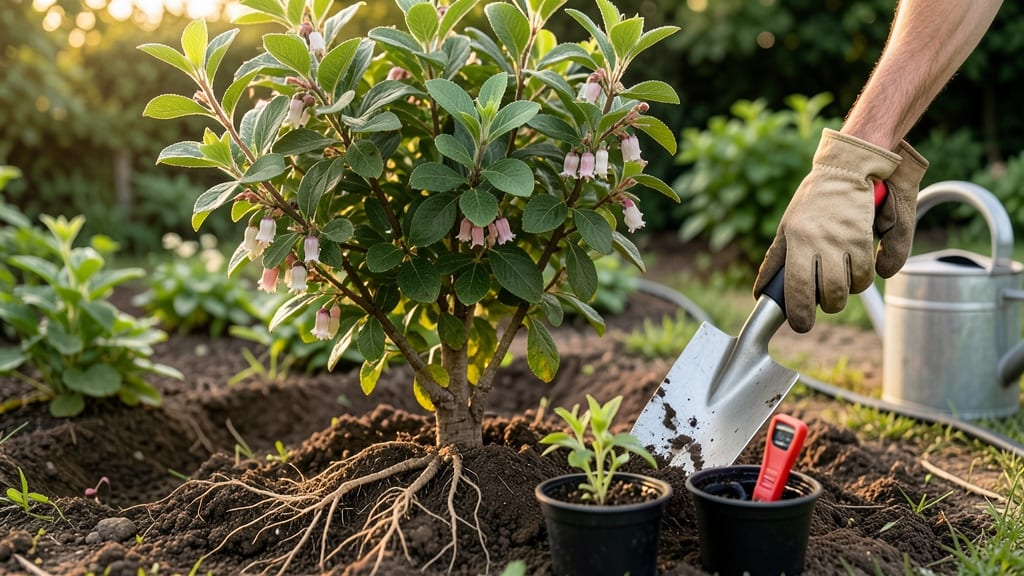
Timing your Blueberry Bush 🫐 planting in Alabama isn't just about the calendar—it's about outsmarting the state's unpredictable frost dates and scorching summers. Plant too early, and your bushes might freeze; too late, and they'll struggle to establish roots before the heat sets in.
Most gardeners in zones 7a-8b swear by late winter to early spring (February-March) as the sweet spot, but there's a science to it. The key is planting 4-6 weeks before your last frost date, which varies wildly from North to South Alabama.
I'll show you exactly how to calculate your perfect window and avoid the common mistakes that turn promising starts into failed crops.
Whether you're growing Southern Highbush or RabbitEye varieties, the right timing can mean the difference between a bountiful harvest and a sad, wilted bush. We'll cover heat-zone tricks like mulching strategies and irrigation hacks that keep your blueberries thriving when temperatures soar.
Ready to grow blueberries that actually produce? Let's dive into the exact planting schedule and care routine that works for Alabama's climate—no more guessing, just reliable results from your first harvest on.
Best planting windows for Alabama blueberry bushes by region
Alabama’s climate varies dramatically from the cool mountain regions of Zone 7a to the hot, humid coastal areas of Zone 8b. These differences mean your blueberry planting window could shift by up to 6 weeks depending on where you live.
Timing is everything—plant too early, and your bushes may suffer late frosts; too late, and they’ll struggle with summer heat stress.
For Northern Alabama (Zone 7a), like Huntsville or Decatur, aim for late February to early March. This gives young roots time to establish before the average last frost date of March 15.
In Central Alabama (Zone 7b-8a), such as Birmingham or Montgomery, stretch your window to mid-February through April, as frost risks drop significantly by late March.
Southern Alabama (Zone 8b), including Mobile and Daphne, offers the most flexibility with a January to early April window. However, planting after mid-March risks exposing bushes to peak summer heat without adequate root establishment. Always check your local frost-free date—it’s your planting deadline.
| Region | USDA Zone | Best Planting Window | Last Frost Date | Key Consideration |
|---|---|---|---|---|
| Northern AL | 7a | Late Feb - Early Mar | March 15 | Frost risk until late March |
| Central AL | 7b-8a | Mid-Feb - Early Apr | March 1 - April 1 | Moderate frost risk until late March |
| Southern AL | 8b | Jan - Early Apr | February 15 | Minimal frost risk after Feb |
If you miss the ideal window, early fall planting (September-October) is a backup option for Southern Alabama only. However, this requires extra mulch (4-6 inches) and drip irrigation to protect roots from winter drought. Northern regions should avoid fall planting—blueberries need time to harden off before frost.
For container-grown blueberries, you can plant up to 2 weeks later than in-ground bushes. Containers warm up faster in spring, giving roots a head start. Just ensure pots have drainage holes and use acidic potting mix (pH 4.5-5.5).
Pro tip: Southern highbush varieties (like 'Peach Sorbet' or 'O'Neal') thrive in Zones 7b-9, while rabbiteye types (such as 'Climax') handle Zone 7a’s colder winters. Match your variety to your zone for maximum survival and fruit production.
Always amend soil with peat moss or sulfur before planting to maintain acidic conditions. Blueberries hate alkaline soil—test your pH and adjust if needed. A soil test costs $15-$25 but saves your bushes from nutrient starvation.
After planting, water deeply once a week for the first month to encourage root growth. Mulch with pine straw to retain moisture and lower soil temperature during Alabama’s brutal summers. Your bushes will thank you with juicy, sweet berries next season.
🫐🌱
Heat-Zone tricks to survive Alabama’s summer without shocking your blueberries
Alabama’s summers can push temperatures past 95°F for weeks, turning your blueberry bushes into heat-stressed casualties if you don’t act. The key? Proactive cooling strategies that mimic their native cool, moist climates.
Start with a 3-inch layer of pine bark mulch—this insulates roots while slowly releasing acidity, a must for blueberries. Apply it in late spring after flowering to avoid disrupting pollinators.
Next, shade cloth is your secret weapon. Install 30-50% shade fabric over bushes when temps hit 85°F, typically by mid-June. Secure it 2-3 feet above plants to allow airflow while blocking harsh rays.
Remove it by late August to let bushes harden off before winter. For container growers, move pots to partial shade spots during peak heat.
🌱
Don’t overlook the power of soil moisture. Blueberries hate dry soil—when temps climb, switch to drip irrigation set to run for 15-20 minutes daily. Place emitters 6 inches from the base to target roots directly.
For in-ground plants, create a 6-inch deep irrigation trench around the bush to channel water where it’s needed most.
Even with these tricks, rabiteye varieties handle heat better than southern highbush. If you’re in Zone 8b (south Alabama), prioritize ‘Climax’ or ‘Powderblue’—they thrive in 90°F+ heat with minimal stress. For Zone 7a (north Alabama), stick to ‘Duke’ or ‘Tifblue’, which tolerate brief heat waves better.
Finally, monitor for heat stress signs: Wilting leaves, brown leaf edges, or premature fruit drop mean your bushes are struggling. Act fast by increasing shade, watering deeply, and applying a foliar spray of seaweed extract to boost resilience.
With these adjustments, your blueberries will survive—and even thrive— in Alabama’s brutal summers.
☀️