
Plants
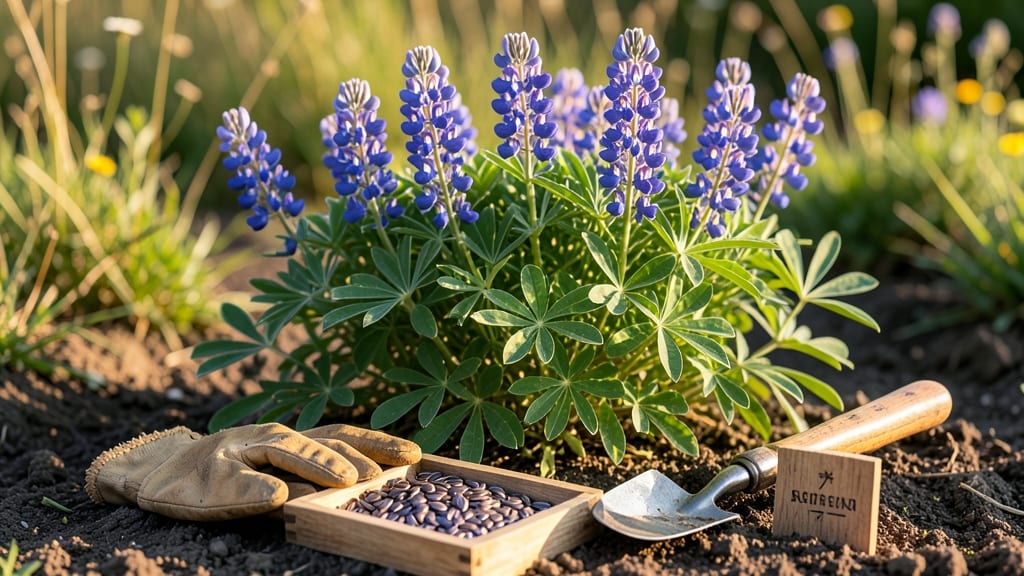
If you’ve ever dreamed of your Central Texas landscape carpeted in vibrant bluebonnet blooms 🌸, knowing when to plant bluebonnet seeds in Central Texas is the single most important factor—get it wrong, and you might end up with sparse patches instead of the stunning wildflower displays you crave.
The key to success isn’t just throwing seeds into the ground—it’s understanding Central Texas’s unique climate, from frost dates to rainfall patterns. Plant too early, and seeds may rot; too late, and they won’t establish roots before spring’s heat arrives.
I’ll walk you through the perfect late-winter window (and why it’s not what most gardeners think) to ensure your bluebonnets thrive.
Beyond timing, soil prep makes all the difference. Bluebonnets hate soggy soil but need just the right balance of moisture and drainage. We’ll cover how to test your soil, adjust pH, and prepare your planting site for maximum germination—so you’re not left scratching your head when spring rolls around.
Ready to transform your yard into a Texas wildflower paradise? Let’s dive into the step-by-step guide that’ll have your bluebonnets blooming like never before—no guesswork, just proven results for Central Texas gardeners.
Optimal bluebonnet planting timeline in Central Texas: late winter vs early spring
Central Texas's bluebonnet magic begins with precise planting timing. The 4-6 week window between late November and December offers ideal conditions for germination before spring blooms. This period balances cooler temperatures (40-60°F) with winter rains that trigger seed activation.
In Austin, aim for November 15-December 15 when daytime highs hover around 60°F and nights dip to 40°F. Waco gardeners should plant 1-2 weeks earlier (November 1-December 10) due to slightly earlier frosts, while San Antonio can extend to mid-December thanks to milder winters.
Your last frost date (typically January 15) acts as your planting deadline. Seeds need 6-8 weeks to establish roots before spring warmth triggers flowering. Planting too late risks sparse blooms or no flowers at all.
Bluebonnets require stratification—a cold period that breaks seed dormancy. Nature handles this in winter, but if you're direct sowing, the cool November-December soil provides perfect conditions. No pre-chilling is needed for Central Texas gardeners.
| Planting Window | Temperature Range | Soil Conditions | Regional Adjustments |
|---|---|---|---|
| Late November | 45-55°F | Moist, well-drained | Austin: Nov 15-25 |
| December | 40-60°F | Slightly drier | Waco: Dec 1-10 |
| Early January | 35-50°F | Cold, moist | San Antonio: Jan 1-15 |
| Deadline | N/A | Before last frost | All regions: Jan 15 |
Central Texas's unpredictable rainfall plays a crucial role. Plant after 1 inch of rain or irrigate lightly to settle seeds into soil. The November-December window often brings occasional rains that help germination without drowning seeds.
For microclimate adjustments, observe your local frost patterns. Low-lying areas freeze earlier, while south-facing slopes stay warmer. If your yard has frost pockets, plant 2 weeks earlier than the regional average to compensate.
Bluebonnets thrive with 6+ hours of sunlight daily, but late winter light is less intense. Choose south-facing planting areas for maximum winter sun exposure. Even partial shade can delay flowering by 2-3 weeks.
After planting, avoid disturbing soil until sprouts appear (typically 4-6 weeks). The natural freeze-thaw cycles of Central Texas winters help break seed dormancy—don't rush this process with artificial warmth.
Pro tip: Mark your planting date and track spring rainfall. If March stays dry, supplement with deep watering (1 inch every 2-3 weeks) to support blooming.
Soil preparation secrets for bluebonnet success: pH, drainage, and native soil modifications
Central Texas's clay-heavy soils can make or break your bluebonnet dreams. These native wildflowers hate soggy conditions but thrive in well-draining, slightly acidic soil. Before planting, test your soil's pH level—bluebonnets prefer 6.0-7.5.
If your soil tests too alkaline (common in Texas), amend it with sulfur or peat moss to lower pH naturally.
Start by clearing your planting area of weeds and debris. Bluebonnets compete poorly with invasive grasses, so remove all vegetation first. Use a broadfork to loosen the top 6 inches of soil without turning it over—this preserves the natural soil structure bluebonnets love.
Avoid tilling, which can disrupt beneficial microbes and seal soil pores.
Central Texas soils often compact easily, creating poor drainage. To fix this, mix in 1-2 inches of coarse sand or perlite into the topsoil. For larger areas, consider creating raised beds with a sandy loam mix (60% native soil, 30% sand, 10% compost).
This mimics the natural meadow conditions bluebonnets evolved in.
Bluebonnets are native wildflowers adapted to lean soils. Avoid heavy compost or fertilizer applications—too much organic matter can promote weed growth and reduce flowering. Stick to minimal amendments (sand for drainage, sulfur for pH) and let nature do the rest.
For existing clay soil, create mounds or swales to improve drainage. Plant seeds on slightly elevated areas where water naturally flows away. If your yard has poor drainage, consider planting bluebonnets in containers with drainage holes—they’ll still thrive with well-draining potting mix.
One of my biggest mistakes was overworking the soil. Bluebonnets prefer undisturbed conditions, so after amending, simply press seeds into the surface with a light rake or board. This ensures good seed-to-soil contact without burying them too deep. Aim for 1/8-inch depth max—any deeper, and they won’t germinate.
Finally, mulch lightly with straw or pine needles (avoid wood chips, which can mat down and prevent sprouting). This helps retain moisture during dry spells while allowing water to penetrate the soil. Apply mulch after planting, keeping it 1 inch thick or less.
Pro tip: If your soil tests too acidic (below 6.0), add crushed limestone to raise the pH. But never use quick-lime—it can burn plant roots and disrupt soil biology. Work amendments into the soil 4-6 weeks before planting to let them settle naturally.