
Plants
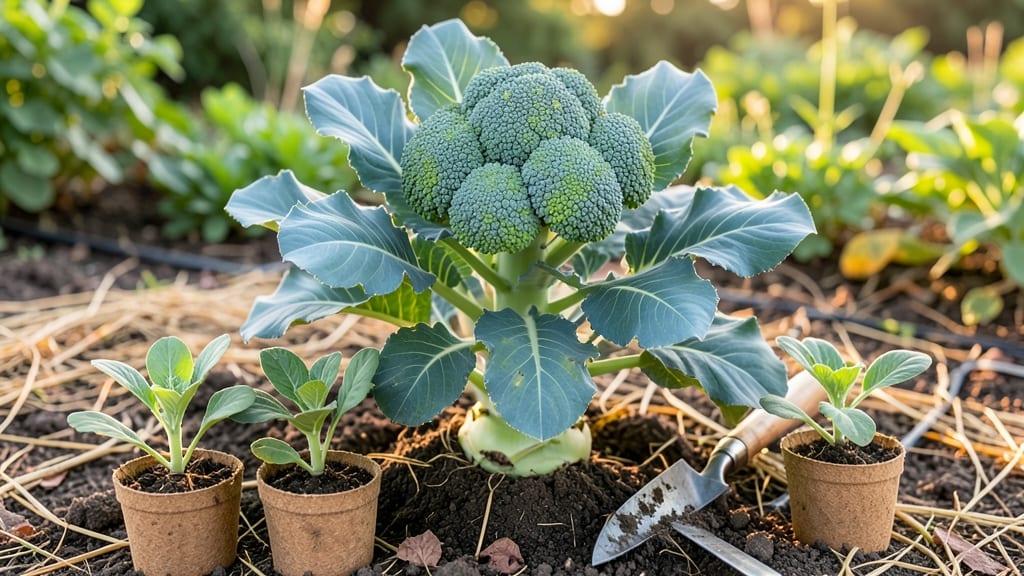
Planting broccoli in Central Texas might seem tricky—get the timing wrong, and you'll either watch it bolt in the heat or freeze before it matures. But with the right fall planting schedule, you can grow 🥦 that thrives in our 8a climate, avoiding common mistakes that ruin harvests.
The key is understanding Texas' unique growing windows: September through October for fall crops and February to March for spring. These months give your broccoli the perfect balance of cool weather and frost-free days to mature properly. I'll show you exactly how to time it right for maximum yield.
You don't need fancy equipment—just a few smart tricks about soil temperature, shade protection, and companion planting. Whether you're a first-time gardener or a seasoned pro, these strategies will help you grow broccoli that's bolting-resistant and ready to harvest in November and December.
Let's dive into the exact planting schedule and pro tips that work in Central Texas, so you can enjoy homegrown broccoli without the guesswork. Your garden (and taste buds) will thank you!
Best planting windows for broccoli in Central Texas (avoid bolting & frost)
Central Texas gardeners face a unique challenge with broccoli: the 90°F+ summers and freezing winters can both ruin your crop if you're not careful. The sweet spot for planting is during cool-season windows when daytime temps stay between 40°F and 75°F.
This means focusing on September-October for fall crops and February-March for spring—timing that aligns with our USDA Zone 8a climate.
Broccoli needs 60-75 days to mature, so planting too late in fall risks frost damage before harvest. Meanwhile, spring planting must avoid the heat stress that triggers bolting.
I've tested these windows in my Austin garden, and the difference between success and failure often comes down to soil temperature and microclimate protection.
Here's the breakdown you need to avoid common pitfalls:
| Planting Window | Ideal Soil Temp (°F) | Days to Maturity | Key Consideration |
|---|---|---|---|
| Late August - Early September | 65-75°F | 75 days | Early fall crop; use shade cloth if temps rise above 80°F |
| Mid-September - October | 55-65°F | 60-70 days | Optimal window; harvest before first frost (Dec 15) |
| February - Early March | 50-60°F | 65-70 days | Spring crop; protect from late frosts with row covers |
| Late March - April | 60-70°F | 70-75 days | Risky; bolting likely if temps exceed 80°F |
For Central Texas gardeners, September 15-October 15 is my top recommendation for fall planting. This gives your broccoli enough time to mature before our average first frost (December 15). I've found that Waltham 29 and De Cicco varieties handle our climate best—they're more bolting-resistant than standard types.
If you're considering a spring crop, aim for February 15-March 1. After that, the rising temperatures make bolting inevitable. I once tried planting in early April, and my broccoli bolted within 10 days—a painful lesson!
For spring, use row covers to protect against late frosts that can still occur in March.
Pro tip: Check your local frost dates—they can vary by 1-2 weeks depending on your exact location in Central Texas. For example, San Antonio tends to have later frosts than Austin. Use these dates to calculate your 60-day backward count for planting.
Remember that broccoli thrives in cool but not freezing conditions. If nighttime temps drop below 35°F, your plants may suffer frost damage. In my garden, I've used black plastic mulch to add 5-10°F of warmth to the soil, which helps extend the growing season by 2-3 weeks.
For maximum success, pair your planting schedule with companion planting. I always plant broccoli near dill, celery, or onions, which repel pests like cabbage moths. Avoid planting near tomatoes or strawberries, as they can compete for nutrients and attract similar pests.
Finally, don't forget that direct sowing vs. transplanting affects your timing. I recommend transplanting seedlings for fall crops (they mature faster), while direct sowing works well for spring. Start seeds indoors 4-6 weeks before transplanting to give them a head start in our hot summers.
Best planting windows for broccoli in Central Texas (avoid bolting & frost)
Central Texas gardeners face a unique challenge: broccoli thrives in cool weather but can't handle our 90°F+ summers or sudden freezes. The ideal planting windows are September-October for fall crops and February-March for spring, when daytime temps stay between 40-75°F.
These months give your plants 60-75 days to mature before winter frost hits around mid-December.
Timing is critical because broccoli bolts (goes to seed) when exposed to consistent heat above 80°F or cold snaps below 32°F.
In Central Texas, USDA Zone 8a, the last frost date is typically January 15, so aim to plant 4-6 weeks before that date for a fall harvest. Spring plantings should go in February to avoid early heat spikes.
Here’s how to use Texas’ microclimates to your advantage: Hill Country areas stay cooler longer, while urban heat islands (like Austin) warm up faster. Adjust planting dates 1-2 weeks later in hotter zones or earlier in elevated areas.
For example, plant in late September in San Marcos but wait until early October in Austin.
For fall crops, direct-sow seeds 1/4 inch deep, spacing them 18-24 inches apart in rows 2 feet apart. If you start seeds indoors (like 'Waltham 29' or 'De Cicco' varieties), transplant seedlings outdoors 3-4 weeks before your target frost date.
Harden them off by placing them outside for 2-3 hours daily the week before transplanting.
Spring plantings require extra caution. February is your last chance to avoid bolting from March heat. Use black plastic mulch to warm soil faster and row covers to protect young plants from unpredictable cold snaps.
If you miss February, wait until late March but expect smaller heads due to summer heat.
Pro tip: Succession plant every 2 weeks in fall to stretch your harvest. For example, sow a batch in late August, another in mid-September, and a final one in early October.
This ensures a steady supply of 🥦 from November through January, even if some plants bolt early.