
Plants
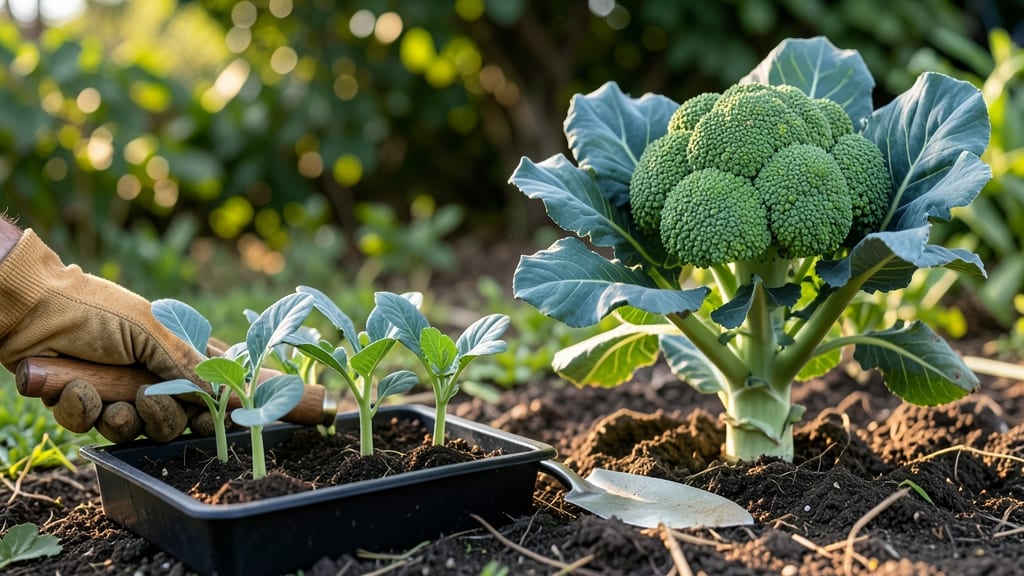
Timing your 🥦 broccoli planting in Kansas isn’t just about the calendar—it’s about beating the heat, avoiding frost, and stopping those bitter bolting headaches before they start.
Get it wrong, and you’ll either freeze your seedlings or watch your harvest turn into tough, woody stalks faster than a Kansas summer storm rolls in.
Here’s the deal: Kansas gardeners in zones 5b-7a have two critical windows—spring and fall—where broccoli thrives. Plant too early, and frost will nip your dreams.
Too late, and the unpredictable heat of May or September will send your broccoli racing toward flower production before you even get a decent head.
I’ll show you the exact weeks to plant, plus how to tweak your approach for urban gardens or rural plots where microclimates make all the difference.
Why does this matter? Because broccoli isn’t just another veggie—it’s a cool-weather champion that hates stress. Master these planting windows, and you’ll enjoy crisp, flavorful heads from June to November. Skip the guesswork, and let’s get those seeds in the ground at the perfect moment for your Kansas zone.
Ready to ditch the bolting blues? I’ll walk you through the data-backed weeks for both spring and fall, plus the secret tricks (like shade cloth and soil prep) that keep your broccoli happy—no matter what Kansas throws your way. Let’s grow that harvest!
Kansas broccoli planting calendar by zone: exact weeks to avoid bolting
Kansas’ USDA Zones 5b-7a create unique challenges for broccoli growers. The average last frost date of April 15 marks your spring planting deadline, but zones 6-7 can push this to mid-April.
Fall planting requires even more precision—sow 90-100 days before October 15, Kansas’ typical first frost. Without this timing, your broccoli will either freeze or bolt from heat stress.
For zone 5b gardeners (northern Kansas), start transplants indoors by March 1 and harden off by March 15. Zone 7a growers in southern Kansas have until April 10 for spring planting.
These windows ensure your broccoli matures before summer’s 90°F+ heat triggers bolting. Miss them, and you’ll face bitter, woody stalks instead of tender heads.
Soil temperature is your secret weapon. Broccoli seeds need 40-50°F soil to germinate, while transplants thrive in 55-75°F ranges. Use a soil thermometer—Kansas’ spring soil warms unevenly, especially in urban vs. rural areas. In Wichita (zone 7a), soil hits 50°F by mid-March, while Topeka (zone 6b) lags until late March.
| Zone | Spring Planting Window | Fall Planting Window | Key Varieties | Soil Temp Threshold |
|---|---|---|---|---|
| 5b (Hays, Salina) | March 15–April 5 | August 1–September 1 | ‘Waltham 29’, ‘Green Goliath’ | 40–50°F (germination) |
| 6a (Manhattan, Junction City) | March 20–April 10 | August 15–September 10 | ‘De Cicco’, ‘Calabrese’ | 45–55°F (germination) |
| 7a (Wichita, Pittsburg) | March 25–April 15 | August 20–September 15 | ‘Belstar’, ‘Packman’ | 50–60°F (germination) |
*Adjust 1–2 weeks earlier for urban heat islands (e.g., Kansas City) or later for rural cool spots (e.g., Flint Hills).
For direct sowing, Kansas gardeners should wait until 2 weeks after your last frost date—typically April 20–May 1—to avoid seedling damage.
Transplants, however, can go in 4–6 weeks before last frost, giving them a head start. Heat-tolerant varieties like ‘Belstar’ or ‘Packman’ are your best bet for late-season success in zones 6–7, where summer heat arrives early.
Urban gardeners in Kansas City (zone 6a) face microclimates that can be 5–10°F warmer than rural areas. Use shade cloth or row covers to protect seedlings from sudden heat spikes.
Rural gardeners in zone 5b should prioritize cold-hardy varieties like ‘Waltham 29’ and extend the season with black plastic mulch to warm the soil faster.
Fall planting requires precise math: Count back 90–100 days from your first frost date (October 15). This lands you in August 1–15 for most of Kansas. Soil fertility is critical—broccoli is a heavy feeder, and fall crops compete with summer’s nutrient depletion.
Amend beds with compost or aged manure before planting to ensure robust growth.
Pro tip: Use Kansas State University’s frost date calculator (available on their Extension website) for your exact location. Input your ZIP code to get hyper-localized planting windows.
For example, Garden City (zone 6b) might have a last frost of April 20, while Hays (zone 5b) could be April 5—a 15-day difference that matters for broccoli’s 70-day harvest window.
Remember: Bolting (premature flowering) is your biggest enemy in Kansas’ unpredictable springs. If temperatures hit 85°
Fall vs. spring broccoli in Kansas: which yields better and why?
Kansas gardeners often debate whether to prioritize spring or fall broccoli plantings. Both seasons offer unique advantages, but your location within USDA Zones 5-7 and local microclimates play a huge role in success.
Spring crops often yield slightly larger heads, but fall broccoli avoids summer pests and heat stress, making it a reliable choice for urban gardens with limited space.
One key factor is pest pressure. Spring broccoli faces fewer threats from cabbage worms and flea beetles, but fall crops benefit from cooler temperatures that deter many insects. Meanwhile, soil fertility naturally recovers over summer, giving fall plantings a nutrient boost if you amend beds early.
Here’s how the two seasons compare for Kansas growers:
| Factor | Spring Broccoli | Fall Broccoli |
|---|---|---|
| Planting Window | March 15–April 15 | August 1–September 1 |
| Harvest Window | June–July | October–November |
| Head Size | Larger (6–8 inches) | Smaller (4–6 inches) |
| Pest Pressure | Moderate (cabbage worms) | Low (cooler temps) |
| Soil Fertility | Requires amendment | Naturally enriched |
| Heat Tolerance | Low (bolting risk) | Moderate (avoids summer heat) |
| Best Varieties | ‘Waltham 29’, ‘Green Magic’ | ‘De Cicco’, ‘Calabrese’ |
For urban gardeners in cities like Wichita or Topeka, fall broccoli often outperforms spring due to shorter growing seasons and less competition for space. Meanwhile, rural areas with longer frost-free periods can push for two harvests—spring for size and fall for reliability.
Pro tip: If you’re in Zone 6 or 7, prioritize fall plantings after August 15 to avoid heat stress. Use heat-tolerant varieties like ‘De Cicco’ and mulch heavily to retain moisture during Kansas’ unpredictable September weather.
🌱