
Plants
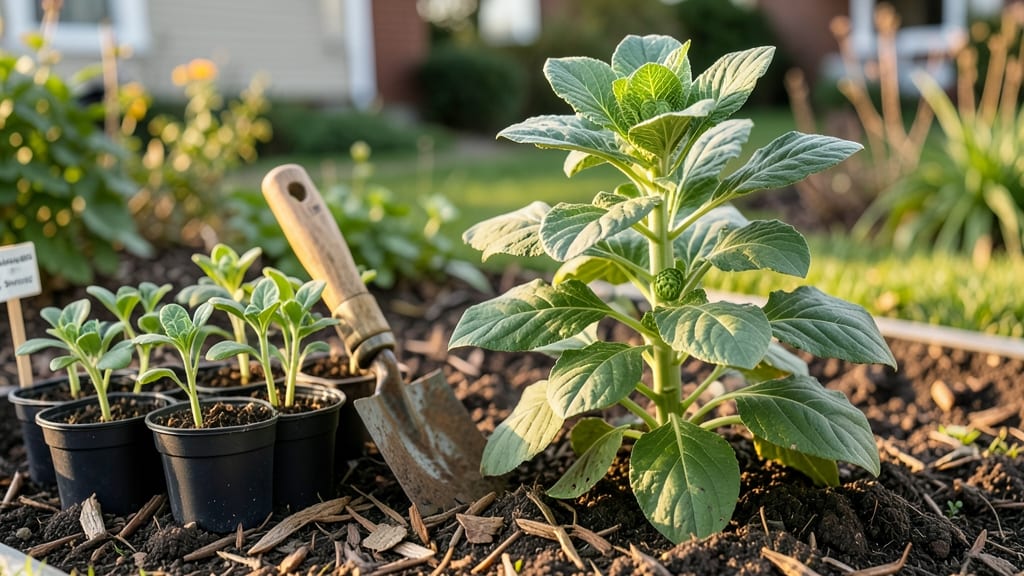
Timing is everything when it comes to growing Brussel sprouts in Illinois—plant them too early, and you risk frost damage, but wait too long, and the summer heat will stifle their growth.
The key to a successful harvest lies in understanding the perfect planting windows for your specific zone, whether you're starting seeds indoors or sowing directly in the garden.
In Illinois' USDA Zones 5-7, where last frosts typically arrive in mid-April, the ideal time to plant 🥦 is between April and May for a fall harvest. But there's also a second chance in late summer—July to August—for a winter crop.
Missing these windows can mean smaller yields or bitter-tasting sprouts, so let’s break down exactly when to plant for maximum success in your backyard.
You might be surprised to learn that soil temperature matters just as much as calendar dates. For Brussel sprouts to thrive, the ground needs to reach at least 45°F—a rule that helps you avoid the common mistake of planting too soon in chilly Illinois springs.
I’ll share my tested strategies for both direct sowing and transplanting, including how to stretch your growing season with row covers and other tricks.
Whether you're a first-time gardener or a seasoned green thumb, getting these details right will mean the difference between a bountiful harvest of tender, flavorful sprouts and a disappointing patch of bolting plants. Let’s dive into the exact dates and conditions that work best in Illinois’ climate.
Brussel sprouts planting timeline for Illinois zones 5-6: exact dates by method
Timing is everything when growing Brussel sprouts in Illinois. These cool-weather crops need precise planting windows to avoid late frosts or summer heat stress. In Zone 5-6, you’ve got two prime opportunities: early spring and late summer.
Each method—direct sowing or transplanting—has its own ideal schedule to maximize your harvest.
For direct sowing, start seeds 4-6 weeks before your last frost date. In Illinois, that’s typically mid-April to early May for spring plantings. If you miss this window, don’t worry—late summer offers a second chance.
Aim for July to early August to ensure sprouts mature before the first frost in mid-October. Transplants, on the other hand, need a slightly shorter lead time.
Here’s the breakdown of your planting timeline for Illinois, including soil temperature requirements and frost-free deadlines to guide your schedule:
If you’re starting seeds indoors, begin them 6-8 weeks before your last frost date—around early March for Illinois gardeners. This gives seedlings a head start before transplanting outdoors in late April to early May.
Harden them off for 7-10 days before moving them to the garden to avoid shock.
For fall plantings, prioritize July sowing to ensure sprouts mature before the first frost. If you plant too late, they may bolt or struggle in summer heat. Use shade cloth if temperatures exceed 85°F (29°C) to protect young plants.
Pro tip: Use row covers in early spring or late fall to extend your growing season by 2-3 weeks. This is especially useful in northern Illinois, where frosts linger longer. Just remove covers when plants are 6 inches tall to prevent overheating.
Remember, Brussel sprouts need 90-100 days to mature. Plan accordingly to avoid a harvest during winter freezes. If you’re in Zone 6, you’ve got a slightly longer window—push your fall planting to early August for a late-November harvest.
Always check your local frost dates using the Old Farmer’s Almanac or Illinois State Climatologist for precision. A 5°F (3°C) frost can damage young plants, so timing is critical. With the right schedule, you’ll enjoy homegrown Brussels sprouts from October through December—just in time for holiday meals!
🌱
Brussel sprouts planting timeline for Illinois zones 5-6: exact dates by method
In Illinois, where last frosts typically arrive between late March and early May, timing your Brussel sprouts planting correctly is crucial.
The ideal window for a fall harvest is between April 15 and May 15, while a late summer planting for winter harvest should happen between July 15 and August 15. These dates align with soil temperatures reaching at least 45°F, ensuring strong germination and growth.
For gardeners in Zone 5, where winters are colder, I recommend starting seeds indoors 6-8 weeks before your last frost date (around March 1) to give seedlings a head start.
In Zone 6, you can push these dates slightly later, but always account for Illinois' unpredictable spring weather patterns that can bring late frosts even in May.
| Planting Method | Best Timeframe | Soil Temp Requirement | Days to Harvest |
|---|---|---|---|
| Direct Sowing (Spring) | April 15 - May 15 | 45°F+ | 90-120 days |
| Transplanting (Spring) | May 1 - June 1 | 50°F+ | 80-100 days |
| Direct Sowing (Fall) | July 15 - August 15 | 50°F+ | 90-120 days |
*Adjust dates 1-2 weeks earlier for Zone 6 or later for Zone 5
One common mistake I see is planting Brussel sprouts too early in Illinois' unpredictable spring. The soil temperature is more critical than the calendar date—always check with a soil thermometer before sowing. For direct sowing, aim for 45°F minimum, while transplants prefer 50°F+ soil to avoid stunted growth.
My late-summer planting strategy for a winter harvest involves sowing seeds between July 15 and August 15, giving them time to mature before the first frost in mid-October.
This method works exceptionally well in Illinois because the cooler fall temperatures actually improve flavor in Brussel sprouts, making them sweeter than their summer-grown counterparts.
To extend your growing season, consider using row covers or cold frames if you plant in early spring. These tools can protect young seedlings from late frosts that frequently occur in Illinois through May. I've had great success with lightweight row covers that allow sunlight while blocking cold winds—just
For container gardeners, start seeds indoors 8-10 weeks before your last frost date and transplant them into 5-gallon pots once they've developed 4-6 true leaves. This method gives you flexibility to move containers to sunniest spots and protect them from unexpected frost with temporary covers.